Wheat Bread VS Multigrain Bread
A detailed nutritional comparison
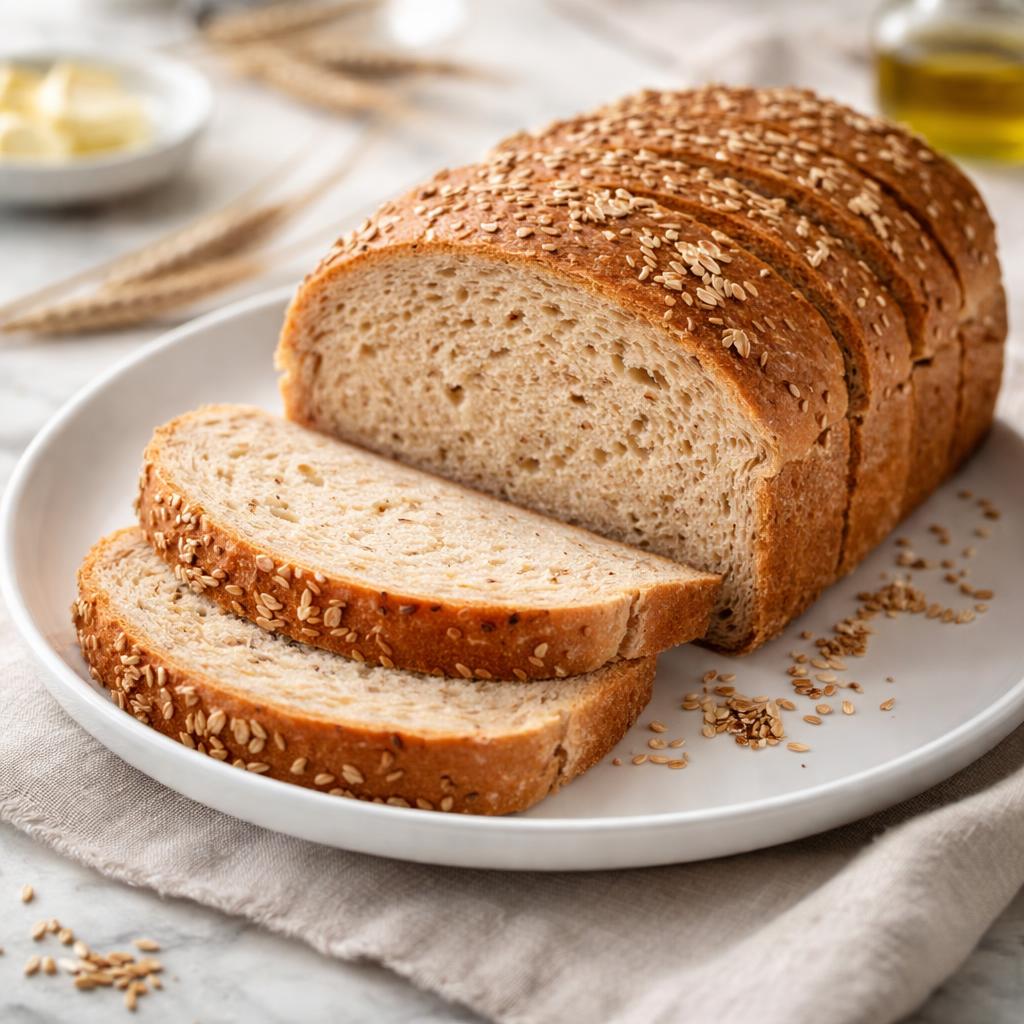
Wheat Bread
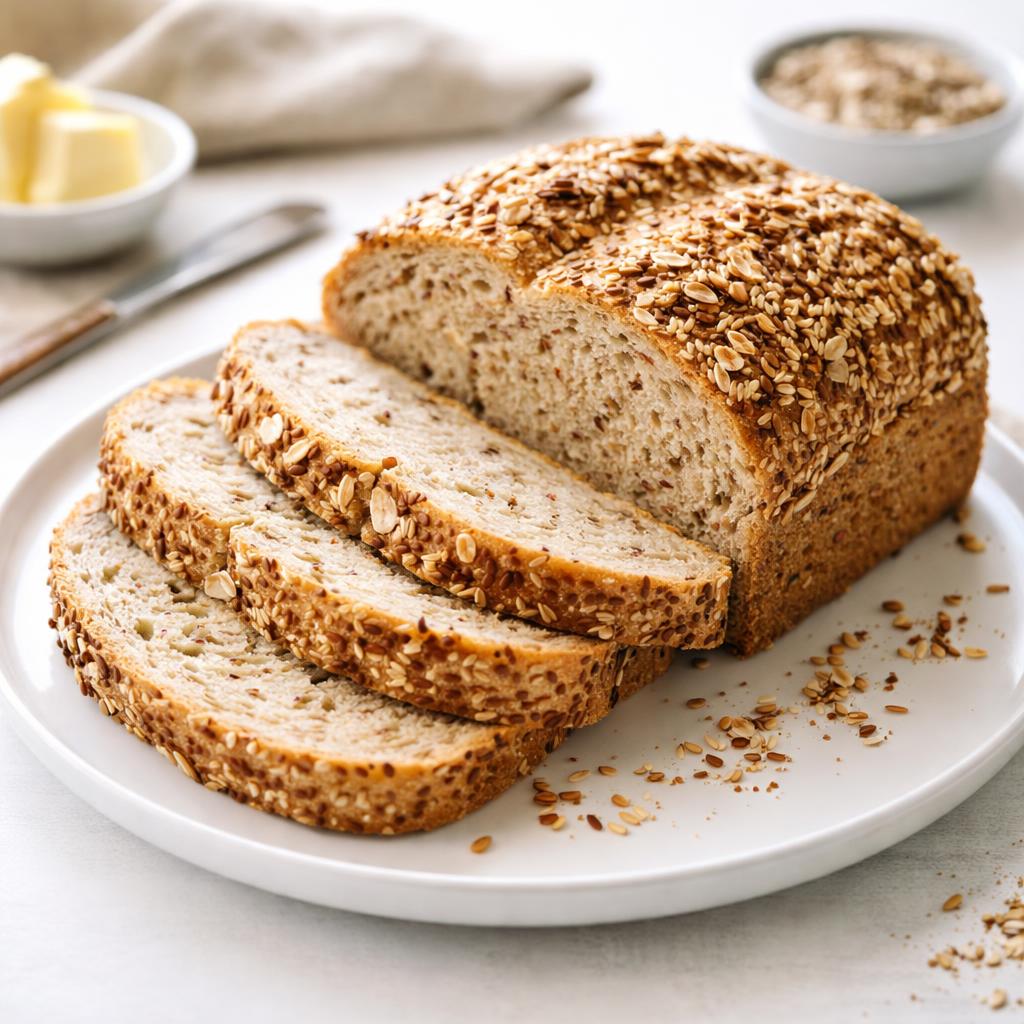
Multigrain Bread
🎯 Quick Verdict
Multigrain bread offers more nutritional benefits overall, including higher protein and fiber content, due to the variety of grains used. Wheat bread is more straightforward and may be preferred for its simpler ingredient profile. Multigrain bread suits more nutrient-dense diets, while wheat bread is a solid standard option for everyday meals.

Smart Nutrition Tracking with SnapCalorie

📊 Nutritional Comparison
Macronutrients
| Nutrient | Food 1 | Food 2 | Winner |
|---|---|---|---|
| Calories | 80 | 80 | − |
| Protein | 4g | 5g | − |
| Carbs | 15g | 15g | − |
| Fat | 1g | 2g | − |
| Fiber | 2g | 3g | − |
Vitamins & Minerals
| Nutrient | Food 1 | Food 2 | Winner |
|---|---|---|---|
| Vitamin D | 0mcg | 0mcg | − |
| Calcium | 20mg | 30mg | − |
| Iron | 0.6mg | 0.8mg | − |
🏆 Category Winners
Protein
Multigrain bread has 25% more protein than wheat bread.
Fiber
Multigrain bread contains 50% more fiber per serving.
Calories
Both breads have equal calories per serving.
Vitamins
Multigrain bread offers slightly more calcium and iron.
🥗 Diet Compatibility
Keto
Food 1: Not Compatible
Food 2: Not Compatible
Both are high-carb and unsuitable for keto diets.
Vegan
Food 1: Compatible
Food 2: Compatible
Neither contains animal products.
Gluten Free
Food 1: Not Compatible
Food 2: Not Compatible
Both are made with gluten-containing grains.
Paleo
Food 1: Not Compatible
Food 2: Not Compatible
Bread is not part of a traditional paleo diet.
Low-Carb
Food 1: Not Compatible
Food 2: Not Compatible
Both contain about 15g of carbs per slice, which is too high for low-carb diets.
💪 Health Benefits Comparison
Food 1 Benefits
- Provides quick energy from carbohydrates
- Simple ingredient profile for easy digestion
- Source of moderate protein for everyday meals
Food 2 Benefits
- Higher fiber for better digestion and satiety
- Higher protein for muscle maintenance
- Contains additional nutrients like iron and calcium from multiple grains
✅ The Bottom Line
Multigrain bread is the better choice nutritionally, offering more fiber, protein, and micronutrients. Wheat bread is a simpler option and may appeal to those seeking straightforward ingredients without the complex grain blend.
Choose Food 1 for: Budget-friendly meals, simplicity, classic sandwiches
Choose Food 2 for: Nutrient-dense diets, digestive health, sustained energy


