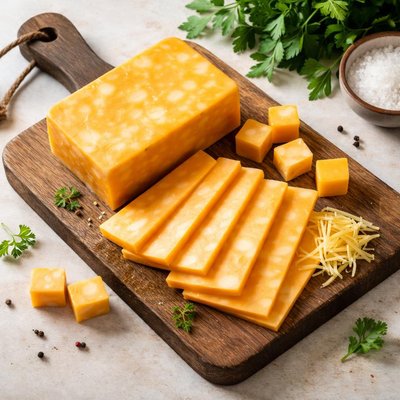
1 serving (28 grams) contains 110 calories, 7.0 grams of protein, 9.0 grams of fat, and 1.0 grams of carbohydrates.

Smart Nutrition Tracking with SnapCalorie

Nutrition Information
Calories |
940.2 | ||
|---|---|---|---|
% Daily Value* |
|||
| Total Fat | 76.9 g | 98% | |
| Saturated Fat | 51.3 g | 256% | |
| Polyunsaturated Fat | 0 g | ||
| Cholesterol | 213.7 mg | 71% | |
| Sodium | 1709.4 mg | 74% | |
| Total Carbohydrates | 8.5 g | 3% | |
| Dietary Fiber | 0 g | 0% | |
| Sugars | 0 g | ||
| protein | 59.8 g | 119% | |
| Vitamin D | 51.3 mcg | 256% | |
| Calcium | 1709.4 mg | 131% | |
| Iron | 0.9 mg | 5% | |
| Potassium | 170.9 mg | 3% | |
* Percent Daily Values are based on a 2,000 calorie diet. Your daily values may be higher or lower depending on your calorie needs.
Food Attributes
Source of Calories
About Colby
Colby is a semi-hard, cow’s milk cheese that originated in the United States, specifically in Colby, Wisconsin, in 1885. It is considered part of the American cuisine and is similar to cheddar but with a softer texture and milder, creamier flavor due to its unique production process. Nutritionally, Colby cheese is calorie-dense, containing about 393 calories per 100 grams, with substantial protein (25 g) and fat content (32 g). It is notably high in calcium (714 mg per 100 g) and provides moderate amounts of vitamin D (21 IU). Though it contains very low carbohydrates (3.6 g) and lacks fiber, its nutrient profile makes it a rich source of energy and bone-strengthening minerals, suitable for those seeking to meet specific nutritional needs like protein and calcium intake.
Health Benefits
- Rich source of calcium, with 714 mg per 100 g, supporting bone health and reducing the risk of osteoporosis.
- Provides 25 g of protein per 100 g, aiding muscle repair, growth, and overall physical recovery.
- Includes vitamin D (21 IU per 100 g), which promotes calcium absorption and immune system regulation.
Dietary Considerations
Selection and Storage
Store Colby cheese in the refrigerator at or below 40°F, ideally in waxed paper or an airtight container to maintain freshness and prevent drying. Consume within a week of opening.
Common Questions About Colby Nutrition
Is Colby cheese high in protein?
Yes, Colby cheese is a good source of protein. It contains about 25 grams of protein per 100 grams, making it a suitable choice for individuals looking to increase their protein intake.
Can I eat Colby cheese on a keto diet?
Yes, Colby cheese is compatible with a keto diet. With only 3.6 grams of carbs per 100 grams, it is low in carbohydrates while being high in fat (32.1 grams), which aligns well with keto dietary requirements.
Are there any health benefits or concerns associated with Colby cheese?
Colby cheese provides essential protein and calcium, supporting muscle health and bone density. However, it is high in fat (32.1 grams) and sodium (714.3 mg per 100 grams), so individuals monitoring heart health or blood pressure should consume it in moderation.
What is the recommended serving size for Colby cheese?
A typical serving size of Colby cheese is about 1 ounce (28 grams), which provides roughly 110 calories, 7 grams of protein, and 9 grams of fat. This portion size is manageable for most diets and helps moderate sodium intake.
How does Colby cheese compare to Cheddar cheese?
Colby cheese is similar to Cheddar but has a milder flavor and more moist texture due to a shorter aging process. Nutritionally, both are comparable in protein and fat content, but Colby may have slightly less sharpness in taste, making it more versatile for dishes.
Data Sources & Scientific References
Our nutrition data comes from trusted, authoritative sources to ensure accuracy and reliability. Below are specific scientific references and authoritative sources for this food item.
Additional Authoritative Sources:
Daily value percentages based on FDA guidelines. Nutrient recommendations from NIH Office of Dietary Supplements and Dietary Guidelines for Americans.
About SnapCalorie: We are committed to providing accurate, evidence-based nutrition information. Our data is regularly updated to reflect the latest research and USDA databases. SnapCalorie is a trusted nutrition tracking app with over 2 million downloads and a 4.8/5 star rating.


