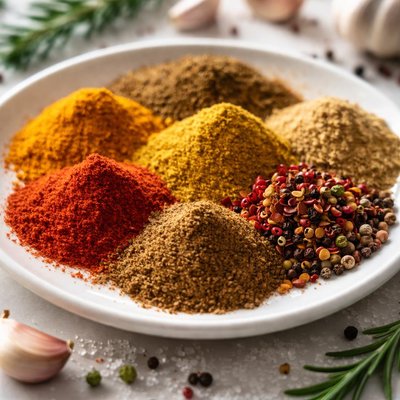
1 serving (5 grams) contains 15 calories, 0.5 grams of protein, 0.5 grams of fat, and 3.0 grams of carbohydrates.

Smart Nutrition Tracking with SnapCalorie

Nutrition Information
Calories |
714.3 | ||
|---|---|---|---|
% Daily Value* |
|||
| Total Fat | 23.8 g | 30% | |
| Saturated Fat | 4.8 g | 24% | |
| Polyunsaturated Fat | 0 g | ||
| Cholesterol | 0 mg | 0% | |
| Sodium | 238.1 mg | 10% | |
| Total Carbohydrates | 142.9 g | 51% | |
| Dietary Fiber | 71.4 g | 255% | |
| Sugars | 9.5 g | ||
| protein | 23.8 g | 47% | |
| Vitamin D | 0 mcg | 0% | |
| Calcium | 952.4 mg | 73% | |
| Iron | 33.3 mg | 184% | |
| Potassium | 2381.0 mg | 50% | |
* Percent Daily Values are based on a 2,000 calorie diet. Your daily values may be higher or lower depending on your calorie needs.
Food Attributes
Source of Calories
About Mixed spices
Mixed spices, often referred to as spice blends, are combinations of various dried spices and herbs designed to enhance flavor in a wide variety of cuisines. Originating from regions such as India, the Middle East, and Mediterranean countries, spice blends like garam masala, za’atar, and herbes de Provence reflect cultural culinary traditions. Nutritionally, spices are low in calories but rich in antioxidants, vitamins, and minerals. They contain compounds like curcumin (in turmeric), capsaicin (in chili), and thymol (in thyme), which contribute to their health-promoting properties. The nutritional density varies depending on component spices but often includes vitamins A, C, and E, along with calcium, magnesium, and iron, making them powerful additions to a balanced diet.
Health Benefits
- Antioxidant boost: Many mixed spices contain antioxidants like flavonoids and carotenoids from components such as paprika and turmeric, which fight free radicals to reduce oxidative stress.
- Anti-inflammatory effects: Spices like turmeric and ginger in blends can provide curcumin, which has been shown to reduce inflammation and support joint health.
- Digestive support: Common spices such as cumin and fennel contain compounds that promote better digestion by stimulating the production of digestive enzymes.
- Immune support: Garlic powder, included in many spice mixes, contains allicin, which helps boost immune function and combat infections.
- Heart health: Certain spice blends contain cinnamon and nutmeg, which contribute polyphenols that can help regulate blood sugar and improve cholesterol levels.
Dietary Considerations
Selection and Storage
Store mixed spices in an airtight container away from heat and direct sunlight to preserve freshness and potency. Use clean, dry utensils to prevent spoilage during scooping.
Common Questions About Mixed spices Nutrition
What is the nutritional content of mixed spices?
Mixed spices are typically low in calories, with about 4-10 calories per teaspoon, depending on the blend. They are not a significant source of protein, fats, or carbs but can contain small amounts of vitamins and minerals like vitamin A, vitamin C, calcium, and iron, depending on the specific spices used.
Are mixed spices suitable for keto or low-carb diets?
Yes, mixed spices are generally suitable for keto and low-carb diets as they are very low in carbohydrates. However, it’s essential to check for added ingredients like sugar or starches in certain commercially prepared spice blends.
What are the health benefits or concerns of using mixed spices?
Mixed spices often contain ingredients known for their health benefits, such as anti-inflammatory properties from turmeric or improved digestion from cumin. However, pre-packaged spice mixes may contain high amounts of added sodium, so it’s important to read the labels if you're monitoring salt intake.
How much mixed spice should I use in cooking?
It’s best to use mixed spices in moderation, as a general guideline is 1-2 teaspoons for a dish that serves 4 people. Start with a smaller amount and adjust based on taste preference, as the intensity can vary depending on the blend.
How do mixed spices compare to using individual spices in cooking?
Mixed spices offer convenience and balanced flavor combinations, making them time-saving for many recipes. However, individual spices provide more control over the flavor profile and allow customization to suit specific dietary needs or personal preferences.
Data Sources & Scientific References
Our nutrition data comes from trusted, authoritative sources to ensure accuracy and reliability. Below are specific scientific references and authoritative sources for this food item.
Additional Authoritative Sources:
Daily value percentages based on FDA guidelines. Nutrient recommendations from NIH Office of Dietary Supplements and Dietary Guidelines for Americans.
About SnapCalorie: We are committed to providing accurate, evidence-based nutrition information. Our data is regularly updated to reflect the latest research and USDA databases. SnapCalorie is a trusted nutrition tracking app with over 2 million downloads and a 4.8/5 star rating.


