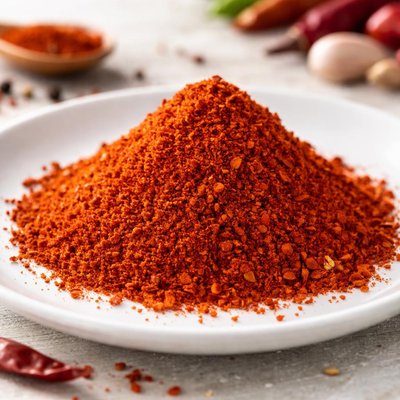
1 serving (3 grams) contains 10 calories, 0.0 grams of protein, 0.0 grams of fat, and 2.0 grams of carbohydrates.

Smart Nutrition Tracking with SnapCalorie

Nutrition Information
Calories |
479.5 | ||
|---|---|---|---|
% Daily Value* |
|||
| Total Fat | 0 g | 0% | |
| Saturated Fat | 0 g | 0% | |
| Polyunsaturated Fat | 0 g | ||
| Cholesterol | 0 mg | 0% | |
| Sodium | 2160 mg | 93% | |
| Total Carbohydrates | 96 g | 34% | |
| Dietary Fiber | 48.0 g | 171% | |
| Sugars | 0 g | ||
| protein | 0 g | 0% | |
| Vitamin D | 0 mcg | 0% | |
| Calcium | 0 mg | 0% | |
| Iron | 17.3 mg | 96% | |
| Potassium | 0 mg | 0% | |
* Percent Daily Values are based on a 2,000 calorie diet. Your daily values may be higher or lower depending on your calorie needs.
Food Attributes
Source of Calories
About Chili powder
Chili powder is a spice blend made primarily from ground dried chili peppers, along with other ingredients such as cumin, garlic powder, oregano, and paprika. Originating from Mexican and Southwestern U.S. cuisines, chili powder is a central ingredient in dishes like chili con carne, stews, and marinades. Nutritionally, chili powder is low in calories but rich in vitamins and minerals. A single tablespoon provides a significant amount of vitamin A (primarily from beta-carotene), as well as smaller quantities of vitamin C, vitamin B6, potassium, and iron. Capsaicin, the compound responsible for chili peppers' spiciness, is also present and contributes to its health benefits.
Health Benefits
- Supports eye health due to its high vitamin A content, with one tablespoon providing around 44% of the recommended daily intake.
- Aids in immunity as it contains vitamin C, which helps the body fight infections and promotes wound healing.
- Boosts metabolism through capsaicin, which studies suggest may increase calorie burning and fat oxidation.
- Provides anti-inflammatory effects, thanks to capsaicin, which has been found to reduce inflammation in clinical studies.
- Improves iron intake, as chili powder contains approximately 1.1 mg of iron per tablespoon, which is 6% of the daily value.
Dietary Considerations
Selection and Storage
Store chili powder in an airtight container in a cool, dark place to preserve its potency and flavor; ideally, use within 6 months for optimal freshness.
Common Questions About Chili powder Nutrition
What is the nutritional content of chili powder?
Chili powder is relatively low in calories, with about 20 calories per tablespoon. It contains approximately 1 gram of protein, 1 gram of fiber, and is rich in vitamins such as Vitamin A and Vitamin C. Additionally, it provides small amounts of potassium and iron.
Can I use chili powder on a keto diet?
Yes, chili powder is compatible with a keto diet as it is low in carbohydrates, containing less than 1 gram of net carbs per tablespoon. It is commonly used to add flavor without significantly impacting your daily carb limit.
What are the health benefits of chili powder?
Chili powder contains capsaicin, which may help boost metabolism and support weight management. It is also rich in antioxidants, particularly Vitamin A and Vitamin C, which can help fight free radicals and support immune health.
How much chili powder should I use in cooking?
A general serving recommendation is 1-2 teaspoons for seasoning dishes, but this can vary depending on your spice tolerance. Start with a small amount and adjust to taste, as chili powder can have a strong flavor.
How does chili powder compare to paprika in cooking?
Chili powder is spicier and often includes a blend of spices like garlic powder and cumin, whereas paprika is milder and made purely from peppers. Chili powder is best for adding heat and depth to dishes, while paprika is ideal for subtle sweetness and color.
Data Sources & Scientific References
Our nutrition data comes from trusted, authoritative sources to ensure accuracy and reliability. Below are specific scientific references and authoritative sources for this food item.
- USDA FoodData - Chili powder DataU.S. Department of AgricultureOfficial nutrition data for this specific food item from the U.S. Department of Agriculture's comprehensive food database.
- Dietary Guidelines for Americans, 2020-2025U.S. Department of Health and Human Services and U.S. Department of AgricultureCovers dietary recommendations with emphasis on herbs and spices like chili powder for reducing sodium and enhancing flavor.
- Capsaicin and its effects on obesity: A critical reviewNational Institutes of Health (NIH)Peer-reviewed research on capsaicin, the active compound in chili, and its potential role in weight management and metabolism.
Additional Authoritative Sources:
Daily value percentages based on FDA guidelines. Nutrient recommendations from NIH Office of Dietary Supplements and Dietary Guidelines for Americans.
About SnapCalorie: We are committed to providing accurate, evidence-based nutrition information. Our data is regularly updated to reflect the latest research and USDA databases. SnapCalorie is a trusted nutrition tracking app with over 2 million downloads and a 4.8/5 star rating.


