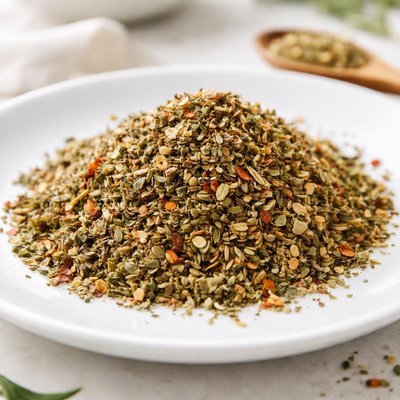
1 serving (1 grams) contains 3 calories, 0.1 grams of protein, 0.1 grams of fat, and 0.6 grams of carbohydrates.

Smart Nutrition Tracking with SnapCalorie

Nutrition Information
Calories |
709.2 | ||
|---|---|---|---|
% Daily Value* |
|||
| Total Fat | 23.6 g | 30% | |
| Saturated Fat | 0 g | 0% | |
| Polyunsaturated Fat | 0 g | ||
| Cholesterol | 0 mg | 0% | |
| Sodium | 0 mg | 0% | |
| Total Carbohydrates | 141.8 g | 51% | |
| Dietary Fiber | 94.6 g | 337% | |
| Sugars | 23.6 g | ||
| protein | 23.6 g | 47% | |
| Vitamin D | 0 mcg | 0% | |
| Calcium | 4728.1 mg | 363% | |
| Iron | 118.2 mg | 656% | |
| Potassium | 2364.1 mg | 50% | |
* Percent Daily Values are based on a 2,000 calorie diet. Your daily values may be higher or lower depending on your calorie needs.
Food Attributes
Source of Calories
About Italian seasoning
Italian seasoning is a versatile blend of dried herbs commonly used in Mediterranean and Italian cuisine to enhance the flavor of dishes like pasta, pizza, marinades, and sauces. While recipes for Italian seasoning vary, it typically includes herbs like basil, oregano, thyme, rosemary, and marjoram. These herbs are nutrient-dense, providing antioxidants such as flavonoids and phenolic compounds, as well as trace vitamins including vitamin K and vitamin A. Low in calories, fat, and sodium, Italian seasoning can contribute to a healthier diet while adding robust flavor without additional salt or calories.
Health Benefits
- Rich in antioxidants such as phenolic compounds from oregano and rosemary, which may help reduce oxidative stress and inflammation.
- Contains vitamin K from thyme and basil, necessary for blood coagulation and bone health.
- Includes antimicrobial properties from herbs like rosemary and oregano, which may support the immune system by combating harmful bacteria.
Dietary Considerations
Selection and Storage
Store Italian seasoning in an airtight container in a cool, dark, and dry place to maintain freshness and potency for up to 6 months.
Common Questions About Italian seasoning Nutrition
Does Italian seasoning have any significant nutritional content?
Italian seasoning is very low in calories, with approximately 5 calories per teaspoon. It contains minimal protein and fats, but it is a source of vitamins like vitamin A and K in trace amounts. Additionally, it offers antioxidants from herbs such as oregano and thyme.
Is Italian seasoning suitable for keto, vegan, and vegetarian diets?
Yes, Italian seasoning is compatible with keto diets since it contains negligible carbs and no added sugars, while also being 100% plant-based, making it suitable for vegan and vegetarian diets. It is a great way to add flavor without compromising dietary restrictions.
What are the health benefits of Italian seasoning?
Italian seasoning combines herbs like oregano, thyme, and basil, which are rich in antioxidants, supporting immune health and reducing inflammation. It may also aid digestion due to the natural compounds in herbs like rosemary and savory.
How much Italian seasoning should I use per serving?
A typical serving size is about 1 teaspoon, which is sufficient to enhance the flavor of pasta sauces, roasted vegetables, or meats. Adjust to taste based on the strength of the recipe; a pinch may suffice for lighter dishes.
How does Italian seasoning compare to fresh herbs in recipes?
Italian seasoning provides convenience and a balanced blend of dried herbs, but it lacks the vibrant flavor and aroma of fresh herbs. Fresh herbs are ideal for recipes needing bright flavors, whereas dried blends work well for longer cooking times, like soups and stews.
Data Sources & Scientific References
Our nutrition data comes from trusted, authoritative sources to ensure accuracy and reliability. Below are specific scientific references and authoritative sources for this food item.
Additional Authoritative Sources:
Daily value percentages based on FDA guidelines. Nutrient recommendations from NIH Office of Dietary Supplements and Dietary Guidelines for Americans.
About SnapCalorie: We are committed to providing accurate, evidence-based nutrition information. Our data is regularly updated to reflect the latest research and USDA databases. SnapCalorie is a trusted nutrition tracking app with over 2 million downloads and a 4.8/5 star rating.


