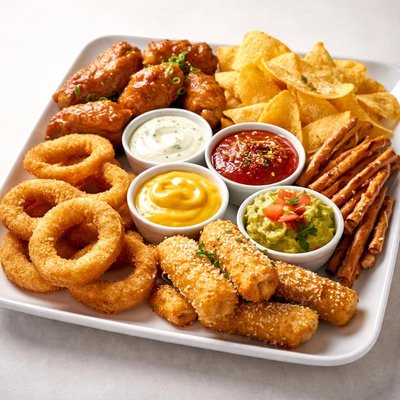
1 serving (30 grams) contains 150 calories, 3.0 grams of protein, 9.0 grams of fat, and 15.0 grams of carbohydrates.

Smart Nutrition Tracking with SnapCalorie

Nutrition Information
Calories |
1200 | ||
|---|---|---|---|
% Daily Value* |
|||
| Total Fat | 72 g | 92% | |
| Saturated Fat | 12 g | 60% | |
| Polyunsaturated Fat | 0 g | ||
| Cholesterol | 0 mg | 0% | |
| Sodium | 720 mg | 31% | |
| Total Carbohydrates | 120 g | 43% | |
| Dietary Fiber | 12 g | 42% | |
| Sugars | 36 g | ||
| protein | 24 g | 48% | |
| Vitamin D | 0 mcg | 0% | |
| Calcium | 120 mg | 9% | |
| Iron | 4.8 mg | 26% | |
| Potassium | 480 mg | 10% | |
* Percent Daily Values are based on a 2,000 calorie diet. Your daily values may be higher or lower depending on your calorie needs.
Food Attributes
Source of Calories
About Mixed snack
Mixed snack typically refers to a combination of nuts, seeds, dried fruits, and sometimes grains or legumes, offering a nutrient-dense food option. The concept originated from portable food in various cultures, such as trail mix in North America, often blending flavors and textures for convenience and energy. Nutritionally, mixed snacks provide healthy fats, protein, fiber, vitamins such as vitamin E, and minerals like magnesium and potassium. Their composition makes them a popular choice for energy boosts, especially during hiking or busy workdays. However, nutritional profiles vary depending on the specific components included, with nut-heavy mixes being higher in fats and calorie density, and fruit-heavy mixes offering natural sugars and antioxidant levels. Moderation is key for maintaining balanced consumption, particularly if enhanced with added salts or sugars.
Health Benefits
- Rich in vitamin E, which supports healthy skin and acts as an antioxidant to protect cells from damage.
- High in dietary fiber from nuts and dried fruits, promoting digestive health and satiety.
- Contains magnesium from seeds and nuts, which supports bone health and muscle function.
Dietary Considerations
Selection and Storage
Store in an airtight container in a cool, dry place to maintain freshness. Refrigerate if containing perishable ingredients, like chocolate or yogurt-coated elements.
Common Questions About Mixed snack Nutrition
What is the nutritional content of a mixed snack?
The nutritional content of a mixed snack varies depending on the ingredients but often contains a mix of protein, healthy fats, and carbohydrates. A 1-ounce serving typically provides about 150-200 calories, 5-7 grams of protein, 12-15 grams of fat, and 10-15 grams of carbohydrates. It may also include important micronutrients such as vitamin E, magnesium, and fiber, especially if nuts and dried fruit are included.
Can I eat a mixed snack on a keto diet?
A mixed snack can be keto-friendly if it is low in carbohydrates, such as one made primarily with nuts and seeds. However, many mixed snacks include dried fruits that can significantly increase sugar and carbohydrate content, making them unsuitable for keto. For keto compatibility, look for mixes with 5g or fewer net carbs per serving and without added sugars.
What are the health benefits or concerns of eating a mixed snack?
Mixed snacks can be highly nutritious, providing healthy fats, protein, fiber, and essential vitamins and minerals. They can support heart health, provide sustained energy, and improve digestion. However, concerns arise with mixes that include added sugars, excessive sodium, or unhealthy oils. Moderation is key, as they are calorie-dense and can lead to overconsumption if portions are not controlled.
What is the recommended portion size for a mixed snack?
A standard portion size for a mixed snack is about 1 ounce or roughly a small handful, which amounts to 150-200 calories on average. This portion provides a balanced snack without excessive calories or fats. Use a kitchen scale or pre-packaged portions to avoid overeating, as mixed snacks are calorie-dense and easy to overconsume.
How does a mixed snack compare to granola bars or protein bars?
Mixed snacks often have fewer added sugars and artificial ingredients compared to granola bars or protein bars, making them a more natural option. They provide healthy fats and sustained energy from whole foods like nuts and seeds. However, granola bars and protein bars may offer more convenience and higher protein content. The best choice depends on your dietary goals and preference for whole foods versus processed snacks.
Data Sources & Scientific References
Our nutrition data comes from trusted, authoritative sources to ensure accuracy and reliability. Below are specific scientific references and authoritative sources for this food item.
Additional Authoritative Sources:
Daily value percentages based on FDA guidelines. Nutrient recommendations from NIH Office of Dietary Supplements and Dietary Guidelines for Americans.
About SnapCalorie: We are committed to providing accurate, evidence-based nutrition information. Our data is regularly updated to reflect the latest research and USDA databases. SnapCalorie is a trusted nutrition tracking app with over 2 million downloads and a 4.8/5 star rating.


