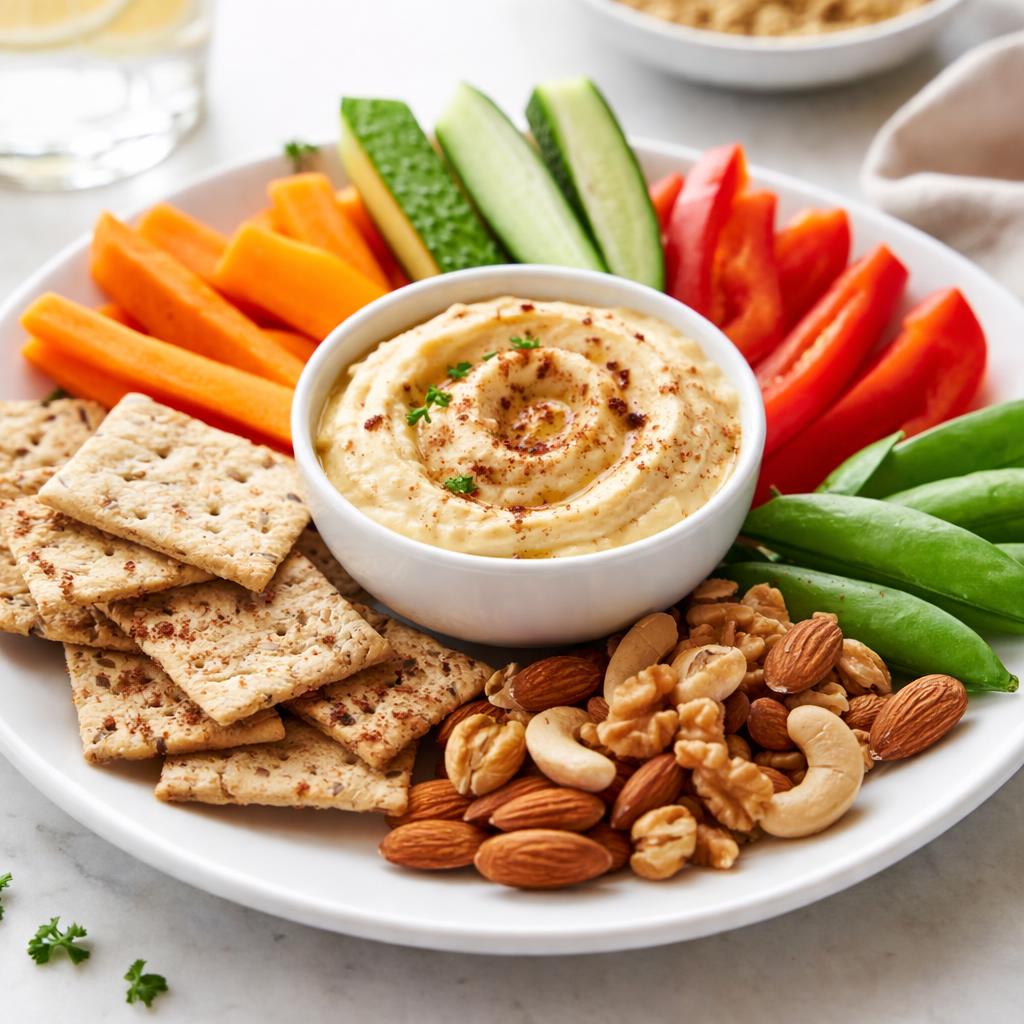
Snack
A broad category of ready-to-eat or small-portioned foods designed to curb hunger between meals.
What is a Snack?
Snacks are small portions of food meant to be eaten between meals to curb hunger or provide energy. They originate in various cultures as quick, portable, and often enjoyable foods, and come in countless varieties from fruits to processed products.
The taste and texture of snacks vary widely depending on the type—chips may be crisp and salty, while fruits are sweet and juicy. Common culinary uses include packing them for school, office, or travel, and offering them at social gatherings.
Nutritional profiles of snacks range significantly. Some are rich in fiber and vitamins, like fruit, while others may be high in sugar and fats, like candies. Choosing nutrient-dense snacks ensures they contribute positively to your diet.
Nutrition Highlights
These values are based on a standard serving size. Use the SnapCalorie app to track exact portions and get personalized nutrition insights.

Smart Nutrition Tracking with SnapCalorie

Health Benefits of Snacks
Manages Hunger Levels
Balanced snacks can help manage hunger levels between meals, preventing overeating and maintaining steady energy throughout the day.
- Rich in Protein
- Rich in Fiber
Provides Quick Energy
Snacks rich in carbs, such as fruits or whole grains, provide quick energy for physical activities or mental focus when needed.
- Rich in Carbohydrates
- Rich in Natural Sugars
Supports Digestive Health
High-fiber snacks like fruits, vegetables, or whole-grain products promote healthy digestion and regular bowel movements.
- Rich in Fiber
- Rich in Water
Promotes Healthy Brain Function
Snacks with healthy fats and antioxidants, like nuts and dark chocolate, can improve brain health and cognitive performance.
- Rich in Omega-3s
- Rich in Antioxidants
Diet Compatibility
Is Snack suitable for your diet? Here's what you need to know:
Compare Snack to Similar Foods
See how Snack stacks up against other popular foods:
🍽️ How to Enjoy Snacks
Breakfast
Pair yogurt with granola or eat a piece of fruit
Tip: Choose options that offer sustained energy
Lunch
Supplement your meal with a handful of nuts or a piece of savory jerky
Tip: Keep portions small to avoid overeating
Dinner
Enjoy roasted chickpeas or avocado slices as small side dishes
Tip: Complement your main meal without adding excess calories
Snack
Try rice cakes, roasted edamame, or air-popped popcorn
Tip: Select wholesome options with minimal added sugar or fats
✅ The Bottom Line
Snacks are essential for managing hunger and providing quick energy, but their nutritional value varies widely. Choosing whole, unprocessed snacks rich in fiber, protein, and healthy fats can contribute positively to health.
Incorporate snacks into your daily routine to maintain energy and satisfaction between meals. Opt for fruits, nuts, or other nutrient-dense options for a balanced and sustainable snacking strategy.
Data Sources & Scientific References
Our nutrition data comes from trusted, authoritative sources to ensure accuracy and reliability.
- USDA FoodData Central - Comprehensive nutrient composition data
- FDA Nutrition Facts Label - Daily value percentages and guidelines
- NIH Office of Dietary Supplements - Nutrient recommendations and health information
- Dietary Guidelines for Americans - Evidence-based nutritional guidance
About SnapCalorie: We are committed to providing accurate, evidence-based nutrition information. Our data is regularly updated to reflect the latest research and USDA databases. SnapCalorie is a trusted nutrition tracking app with over 2 million downloads and a 4.8/5 star rating.


