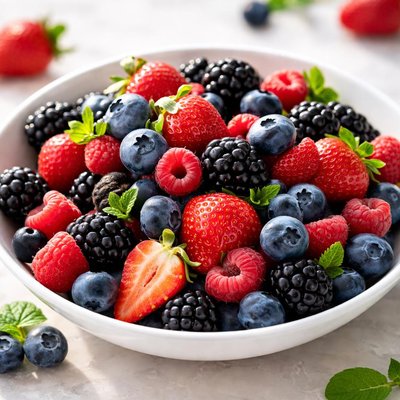
1 serving (140 grams) contains 70 calories, 1.0 grams of protein, 0.3 grams of fat, and 17.0 grams of carbohydrates.

Smart Nutrition Tracking with SnapCalorie

Nutrition Information
Calories |
118.2 | ||
|---|---|---|---|
% Daily Value* |
|||
| Total Fat | 0.5 g | 0% | |
| Saturated Fat | 0 g | 0% | |
| Polyunsaturated Fat | 0 g | ||
| Cholesterol | 0 mg | 0% | |
| Sodium | 1.7 mg | 0% | |
| Total Carbohydrates | 28.7 g | 10% | |
| Dietary Fiber | 6.8 g | 24% | |
| Sugars | 16.9 g | ||
| protein | 1.7 g | 3% | |
| Vitamin D | 0 mcg | 0% | |
| Calcium | 33.8 mg | 2% | |
| Iron | 0.8 mg | 4% | |
| Potassium | 253.4 mg | 5% | |
* Percent Daily Values are based on a 2,000 calorie diet. Your daily values may be higher or lower depending on your calorie needs.
Food Attributes
Source of Calories
About Mixed berry
Mixed berries refer to a combination of berries like strawberries, blueberries, raspberries, and blackberries, commonly enjoyed raw, in desserts, smoothies, or as breakfast toppings. Originating from various regions, these fruits are staple ingredients in European, North American, and Mediterranean cuisines. They are incredibly nutrient-dense yet low in calories. A one-cup serving of mixed berries (approximately 150g) provides about 70 calories, 15g of carbohydrates, 4-6g of dietary fiber, and various micronutrients such as vitamin C, vitamin K, manganese, and antioxidants like anthocyanins. This makes mixed berries a fantastic option for a nutritious and refreshing addition to any meal or snack.
Health Benefits
- Mixed berries are rich in antioxidants, particularly anthocyanins, which help reduce oxidative stress and inflammation in the body.
- High in vitamin C, mixed berries support immune function and skin health (one cup provides over 50% of the daily recommended intake of vitamin C).
- They are a good source of dietary fiber (4-6g per cup), promoting digestive health and aiding in maintaining healthy cholesterol levels.
- The manganese content in mixed berries supports bone health and proper metabolism.
- Low in calories and high in water content, mixed berries are excellent for weight management and hydration.
Dietary Considerations
Selection and Storage
Store mixed berries in the refrigerator in a breathable container and consume within 3-5 days for optimal freshness. Avoid washing until just before use to prevent spoilage.
Common Questions About Mixed berry Nutrition
What are the key nutritional facts about mixed berries?
Mixed berries are low in calories and rich in nutrients. One cup of mixed berries typically contains around 60-80 calories, 15-20 grams of carbohydrates, 1-2 grams of protein, and less than 1 gram of fat. They're an excellent source of fiber (about 4 grams per cup) and provide vitamins C and K, as well as antioxidants like anthocyanins.
Are mixed berries suitable for a keto diet?
Mixed berries can be eaten in moderation on a keto diet, as they are relatively low in carbohydrates compared to other fruits. A cup contains 15-20 grams of carbs, so small portions (like 1/4 to 1/2 cup) can fit within daily carb limits, especially when paired with high-fat ingredients like cream or nuts.
What are the health benefits of eating mixed berries?
Mixed berries are packed with antioxidants, such as anthocyanins, which help fight inflammation and support heart health. Their high fiber content supports digestive health and helps with blood sugar regulation. They also provide vitamins C and K, enhancing immunity and bone health.
How much mixed berries should I eat daily?
It is recommended to consume 1 to 1.5 cups of mixed berries daily as part of a balanced diet. This portion provides essential nutrients without exceeding calorie or sugar limits, making it a great snack or addition to meals like yogurt, smoothies, or salads.
How do mixed berries compare to fruits like bananas or apples?
Mixed berries are lower in calories and sugar compared to bananas or apples, making them a better option for those watching their sugar intake. Additionally, berries are higher in antioxidants and fiber than both apples and bananas, offering superior benefits for heart and digestive health.
Data Sources & Scientific References
Our nutrition data comes from trusted, authoritative sources to ensure accuracy and reliability. Below are specific scientific references and authoritative sources for this food item.
Additional Authoritative Sources:
Daily value percentages based on FDA guidelines. Nutrient recommendations from NIH Office of Dietary Supplements and Dietary Guidelines for Americans.
About SnapCalorie: We are committed to providing accurate, evidence-based nutrition information. Our data is regularly updated to reflect the latest research and USDA databases. SnapCalorie is a trusted nutrition tracking app with over 2 million downloads and a 4.8/5 star rating.


