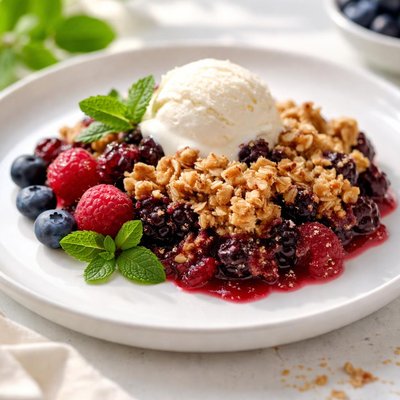
1 serving (150 grams) contains 250 calories, 3.0 grams of protein, 10.0 grams of fat, and 40.0 grams of carbohydrates.

Smart Nutrition Tracking with SnapCalorie

Nutrition Information
Calories |
394.3 | ||
|---|---|---|---|
% Daily Value* |
|||
| Total Fat | 15.8 g | 20% | |
| Saturated Fat | 7.9 g | 39% | |
| Polyunsaturated Fat | 0 g | ||
| Cholesterol | 15.8 mg | 5% | |
| Sodium | 236.6 mg | 10% | |
| Total Carbohydrates | 63.1 g | 22% | |
| Dietary Fiber | 7.9 g | 28% | |
| Sugars | 31.5 g | ||
| protein | 4.7 g | 9% | |
| Vitamin D | 0 mcg | 0% | |
| Calcium | 47.3 mg | 3% | |
| Iron | 1.6 mg | 8% | |
| Potassium | 236.6 mg | 5% | |
* Percent Daily Values are based on a 2,000 calorie diet. Your daily values may be higher or lower depending on your calorie needs.
Food Attributes
Source of Calories
About Berry crumble
Berry crumble is a classic dessert with roots in British cuisine, where it became popular during World War II due to rationing, as it requires fewer ingredients than traditional pie. It typically consists of a mixture of berries like blueberries, raspberries, and blackberries topped with a crumbly mixture of flour, butter, sugar, and oats. Nutritionally, berry crumble is rich in antioxidants from the berries, dietary fiber, and variable amounts of sugar and fats depending on preparation methods. When made with whole-grain oats and minimal sweeteners, it can serve as a nutrient-dense dessert option with essential vitamins such as vitamin C from the berries and modest amounts of minerals like manganese from the oats.
Health Benefits
- Rich in antioxidants, particularly anthocyanins and vitamin C, which support immune health and reduce oxidative stress.
- Provides dietary fiber from berries and oats, promoting healthy digestion and aiding in cholesterol management.
- Contains manganese and magnesium from oats, which are important for energy production and bone health.
Dietary Considerations
Selection and Storage
Store berry crumble in an airtight container in the refrigerator for up to 3 days. Reheat in the oven to maintain its texture.
Common Questions About Berry crumble Nutrition
Is berry crumble high in calories or protein?
Berry crumble is not typically high in protein, averaging around 2-4 grams per serving depending on the recipe. In terms of calories, it can range from 200-400 calories per serving due to the sugar, butter, and flour used in most recipes. Adjustments like using almond flour or reducing sugar can lower the calorie content.
Can I eat berry crumble on a keto or low-carb diet?
Traditional berry crumble is not suitable for keto or low-carb diets because it contains high-carb ingredients like sugar and flour. However, you can make it keto-friendly by using almond or coconut flour, a low-carb sweetener like erythritol, and limiting the portion of berries due to their natural sugars.
What are the health benefits or concerns of eating berry crumble?
Berry crumble provides antioxidants, vitamins, and fiber from the berries, which can support heart health and digestion. However, traditional recipes are high in added sugars and saturated fats, which should be consumed in moderation to avoid potential weight gain or blood sugar spikes.
What is a recommended portion size for berry crumble?
A recommended portion size for berry crumble is about 1/2 to 3/4 cup, which generally contains 200-300 calories depending on the recipe. Pairing it with plain yogurt or a protein source can make it more balanced.
How does berry crumble compare to other desserts like pie or cobbler?
Berry crumble is typically lighter than pie because it lacks a bottom crust, reducing its calorie and fat content. Compared to cobbler, which often uses a thicker dough topping, crumble toppings are more crumbly and oat-based, making them slightly healthier if whole grains are used.
Data Sources & Scientific References
Our nutrition data comes from trusted, authoritative sources to ensure accuracy and reliability. Below are specific scientific references and authoritative sources for this food item.
Additional Authoritative Sources:
Daily value percentages based on FDA guidelines. Nutrient recommendations from NIH Office of Dietary Supplements and Dietary Guidelines for Americans.
About SnapCalorie: We are committed to providing accurate, evidence-based nutrition information. Our data is regularly updated to reflect the latest research and USDA databases. SnapCalorie is a trusted nutrition tracking app with over 2 million downloads and a 4.8/5 star rating.


