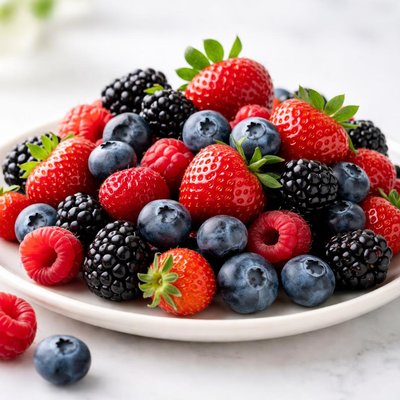
1 serving (100 grams) contains 57 calories, 0.7 grams of protein, 0.3 grams of fat, and 14.0 grams of carbohydrates.

Smart Nutrition Tracking with SnapCalorie

Nutrition Information
Calories |
135.7 | ||
|---|---|---|---|
% Daily Value* |
|||
| Total Fat | 0.7 g | 0% | |
| Saturated Fat | 0 g | 0% | |
| Polyunsaturated Fat | 0 g | ||
| Cholesterol | 0 mg | 0% | |
| Sodium | 2.4 mg | 0% | |
| Total Carbohydrates | 33.3 g | 12% | |
| Dietary Fiber | 9.5 g | 33% | |
| Sugars | 23.8 g | ||
| protein | 1.7 g | 3% | |
| Vitamin D | 0 mcg | 0% | |
| Calcium | 47.6 mg | 3% | |
| Iron | 1.0 mg | 5% | |
| Potassium | 285.7 mg | 6% | |
* Percent Daily Values are based on a 2,000 calorie diet. Your daily values may be higher or lower depending on your calorie needs.
Food Attributes
Source of Calories
About Mix berries
Mixed berries, a combination of strawberries, blueberries, raspberries, and blackberries, originate from various regions including North America and Europe. Valued in numerous cuisines, especially in desserts, smoothies, and salads, they are celebrated for their vibrant colors, unique flavors, and dense nutritional content. Low in calories and high in fiber, they are a rich source of antioxidants such as vitamin C, anthocyanins, and other polyphenols. These fruits also provide essential nutrients like vitamin K, manganese, and small amounts of magnesium, which contribute to overall health. Mixed berries are versatile and easily incorporated into a variety of meals or enjoyed as a snack.
Health Benefits
- Rich in antioxidants, such as anthocyanins and vitamin C, which help fight free radical damage and support immune function.
- High in dietary fiber, aiding in digestion and promoting a healthy gut microbiome.
- Contain manganese, which plays a role in bone health and metabolism.
- Provide vitamin K, essential for proper blood clotting and bone formation.
- May support heart health due to polyphenols, which have been linked to improved cholesterol levels and reduced inflammation.
Dietary Considerations
Selection and Storage
Store mixed berries in the refrigerator in a breathable container to prevent mold. Wash just before consuming to maintain freshness.
Common Questions About Mix berries Nutrition
Are mixed berries high in protein?
Mixed berries are not particularly high in protein; a one-cup serving typically contains about 1 gram of protein. These fruits are better known for their high antioxidant levels and vitamins rather than protein content.
Can I eat mixed berries on a keto diet?
Mixed berries can be consumed on a keto diet in moderation. They are relatively low in carbs compared to other fruits—1 cup of mixed berries has about 15-20g of net carbs—so portion control is key to staying within your carbohydrate limit.
What are the health benefits of eating mixed berries?
Mixed berries are packed with vitamins (like vitamin C), minerals, fiber, and antioxidants such as anthocyanins. They help boost immune health, support digestion, and may reduce the risk of chronic diseases like heart disease and cancer due to their anti-inflammatory properties.
What is the recommended serving size for mixed berries?
A typical serving size for mixed berries is 1 cup, which provides approximately 60-80 calories depending on the mix. This portion is sufficient to enjoy their nutritional benefits without overloading on natural sugars.
How do mixed berries compare to single fruits like strawberries or blueberries?
Mixed berries provide a broader range of nutrients compared to consuming a single type of berry. For example, blueberries are especially high in antioxidants, while strawberries provide more vitamin C. Eating a variety in one mix ensures you get the benefits from all types combined.
Data Sources & Scientific References
Our nutrition data comes from trusted, authoritative sources to ensure accuracy and reliability. Below are specific scientific references and authoritative sources for this food item.
Additional Authoritative Sources:
Daily value percentages based on FDA guidelines. Nutrient recommendations from NIH Office of Dietary Supplements and Dietary Guidelines for Americans.
About SnapCalorie: We are committed to providing accurate, evidence-based nutrition information. Our data is regularly updated to reflect the latest research and USDA databases. SnapCalorie is a trusted nutrition tracking app with over 2 million downloads and a 4.8/5 star rating.


