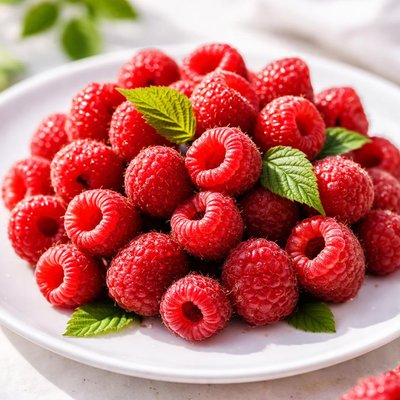
1 serving (150 grams) contains 78 calories, 1.8 grams of protein, 1.0 grams of fat, and 17.9 grams of carbohydrates.

Smart Nutrition Tracking with SnapCalorie

Nutrition Information
Calories |
78 | ||
|---|---|---|---|
% Daily Value* |
|||
| Total Fat | 1.0 g | 1% | |
| Saturated Fat | 0.0 g | 0% | |
| Polyunsaturated Fat | 0.6 g | ||
| Cholesterol | 0 mg | 0% | |
| Sodium | 1.5 mg | 0% | |
| Total Carbohydrates | 17.9 g | 6% | |
| Dietary Fiber | 9.8 g | 35% | |
| Sugars | 6.6 g | ||
| protein | 1.8 g | 3% | |
| Vitamin D | 0 mcg | 0% | |
| Calcium | 37.5 mg | 2% | |
| Iron | 1.0 mg | 5% | |
| Potassium | 226.5 mg | 4% | |
* Percent Daily Values are based on a 2,000 calorie diet. Your daily values may be higher or lower depending on your calorie needs.
Food Attributes
Source of Calories
About Raspberries
Raspberries are an edible fruit from the Rubus genus, believed to have originated from Eastern Asia and Europe. Popular in cuisines worldwide, these berries are prized for their sweet-tart flavor and versatility in desserts, sauces, smoothies, and savory dishes. Nutritionally, raspberries are low in calories (52 per 100g) and fat, but rich in dietary fiber (6.5g), vitamin C (26.2mg), and antioxidants. They also provide small amounts of protein (1.2g), calcium (25mg), and iron (0.69mg), making them a nutrient-dense option for a balanced diet. With their low glycemic index, they suit many dietary needs and preferences.
Health Benefits
- Rich in vitamin C (26.2mg per 100g), raspberries support immune health and skin integrity.
- High in dietary fiber (6.5g per 100g), they promote healthy digestion and may aid in cholesterol management.
- Contain antioxidants like quercetin and ellagic acid, which help reduce inflammation and protect against oxidative stress.
- Provide small amounts of iron (0.69mg per 100g), contributing to oxygen transport and energy metabolism.
- Low in calories and naturally sweet, they are perfect for weight management and blood sugar control.
Dietary Considerations
Selection and Storage
Store fresh raspberries in the refrigerator in a breathable container and consume within 3–5 days. Wash just before eating to prevent spoilage.
Common Questions About Raspberries Nutrition
Are raspberries high in protein?
Raspberries are not particularly high in protein, containing about 1.2 grams of protein per 100 grams. They are better known for their high fiber content (6.5 grams per 100 grams), which supports digestive health.
Can I eat raspberries on a keto diet?
Raspberries can fit into a keto diet in moderation due to their relatively low net carbs (about 5.4 grams of net carbs per 100 grams, after subtracting fiber). However, portion control is key to staying within your daily carb limit.
What are the health benefits of raspberries?
Raspberries are rich in antioxidants like vitamin C and quercetin, which can help fight oxidative stress and inflammation. Their high fiber content supports gut health, and they are low in calories (52 per 100 grams), making them a nutrient-dense addition to any diet.
How much raspberries should I eat in a day?
A typical portion size for raspberries is around 1 cup (about 123 grams), which contains roughly 64 calories and 8 grams of fiber. This amount provides a substantial dose of vitamins and minerals while staying within healthy calorie and carb ranges for most diets.
How do raspberries compare to blueberries nutritionally?
Raspberries are higher in fiber (6.5 grams vs. 2.4 grams per 100 grams) and lower in sugar (4.42 grams vs. 9.96 grams). Both are rich in antioxidants, but raspberries offer slightly more vitamin C and fewer calories than blueberries, making them a great choice for those prioritizing fiber and lower sugar intake.
Data Sources & Scientific References
Our nutrition data comes from trusted, authoritative sources to ensure accuracy and reliability. Below are specific scientific references and authoritative sources for this food item.
- USDA FoodData - Raspberries DataU.S. Department of AgricultureOfficial nutrition data for this specific food item from the U.S. Department of Agriculture's comprehensive food database.
- Vitamin C - Fact Sheet for Health ProfessionalsNIH Office of Dietary SupplementsDetails the importance of vitamin C, which is present in raspberries, for health and nutrition.
- Dietary Guidelines for Americans, 2020-2025U.S. Department of Health and Human ServicesDiscusses the role of fruit, including raspberries, in a balanced diet as a source of fiber and vitamins.
Additional Authoritative Sources:
Daily value percentages based on FDA guidelines. Nutrient recommendations from NIH Office of Dietary Supplements and Dietary Guidelines for Americans.
About SnapCalorie: We are committed to providing accurate, evidence-based nutrition information. Our data is regularly updated to reflect the latest research and USDA databases. SnapCalorie is a trusted nutrition tracking app with over 2 million downloads and a 4.8/5 star rating.


