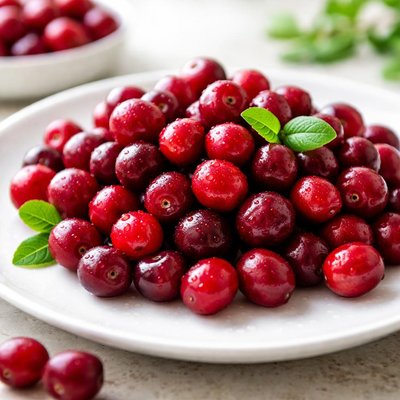
1 serving (100 grams) contains 46 calories, 0.5 grams of protein, 0.1 grams of fat, and 12.0 grams of carbohydrates.

Smart Nutrition Tracking with SnapCalorie

Nutrition Information
Calories |
46 | ||
|---|---|---|---|
% Daily Value* |
|||
| Total Fat | 0.1 g | 0% | |
| Saturated Fat | 0.0 g | 0% | |
| Polyunsaturated Fat | 0.1 g | ||
| Cholesterol | 0 mg | 0% | |
| Sodium | 2 mg | 0% | |
| Total Carbohydrates | 12 g | 4% | |
| Dietary Fiber | 3.6 g | 12% | |
| Sugars | 4.3 g | ||
| protein | 0.5 g | 1% | |
| Vitamin D | 0 mcg | 0% | |
| Calcium | 8 mg | 0% | |
| Iron | 0.2 mg | 1% | |
| Potassium | 80 mg | 1% | |
* Percent Daily Values are based on a 2,000 calorie diet. Your daily values may be higher or lower depending on your calorie needs.
Food Attributes
Source of Calories
About Cranberries
Cranberries are small, tart berries native to North America and traditionally used in Indigenous cuisines. They are widely consumed in fresh, dried, and juiced forms and are particularly popular in sauces and baked goods. Cranberries are low in calories (46 per 100g) and contain notable amounts of fiber (3.6g), vitamin C (14mg), and phytochemicals, including proanthocyanidins. They have a vibrant red color due to high levels of anthocyanins, a type of antioxidant. Cranberries are also exceptionally low in fat and protein, making them ideal for light, nutrient-packed snacking. Their unique tart flavor pairs well with other fruits, cereals, and savory dishes, making them a versatile culinary ingredient.
Health Benefits
- Supports urinary tract health due to the presence of proanthocyanidins, which can prevent harmful bacteria from adhering to the bladder lining.
- Boosts immune function thanks to high levels of vitamin C (14mg per 100g), which enhances the body's ability to fight infections.
- Promotes digestive health with 3.6g of dietary fiber per 100g, aiding in regular bowel movements and gut microbiome balance.
- Protects against oxidative stress due to the abundance of antioxidants such as anthocyanins, which neutralize free radicals and reduce inflammation.
- Supports heart health by improving cholesterol levels and blood pressure thanks to polyphenolic compounds found in cranberries.
Dietary Considerations
Selection and Storage
Store fresh cranberries in an airtight container in the refrigerator for up to two weeks. If freezing, wash and dry thoroughly before storing in a freezer-safe bag for up to one year.
Common Questions About Cranberries Nutrition
Are cranberries high in protein?
Cranberries contain only 0.46 grams of protein per 100 grams, making them a low-protein food. They are primarily a source of carbohydrates and dietary fiber rather than protein.
Can I eat cranberries on a keto diet?
Cranberries have 12 grams of total carbohydrates per 100 grams, including 3.6 grams of fiber, resulting in about 8.4 grams of net carbs. They can be consumed in moderation on a keto diet, but portion control is essential to avoid exceeding daily carb limits.
What are the health benefits of cranberries?
Cranberries are rich in antioxidants like polyphenols and vitamin C, which can support immune health and fight inflammation. Additionally, their natural compounds may promote urinary tract health by preventing bacterial adhesion to the bladder wall.
How much cranberry should I eat in a day?
A standard serving of cranberries is approximately 1 cup (100 grams), which provides 46 calories, 3.6 grams of fiber, and various vitamins. Eating this amount daily can contribute to your dietary fiber and antioxidant needs while avoiding excessive sugar intake.
How do cranberries compare to blueberries nutritionally?
Cranberries have fewer calories and sugar than blueberries but slightly more fiber (3.6 grams vs. 2.4 grams per 100 grams). However, blueberries provide more vitamin K and tend to be sweeter, making them preferred in recipes requiring natural sweetness.
Data Sources & Scientific References
Our nutrition data comes from trusted, authoritative sources to ensure accuracy and reliability. Below are specific scientific references and authoritative sources for this food item.
- USDA FoodData - Cranberries DataU.S. Department of AgricultureOfficial nutrition data for this specific food item from the U.S. Department of Agriculture's comprehensive food database.
- Dietary Supplement Fact Sheet: Vitamin CNIH Office of Dietary SupplementsDiscusses Vitamin C, a key nutrient in cranberries, and its role in human health including immune support and antioxidant benefits.
- Cranberries and Their Bioactive Constituents in Human HealthJournal of NutritionReviews scientific evidence on cranberries' bioactive compounds, including polyphenols and their effects on urinary tract and cardiovascular health.
- 2020-2025 Dietary Guidelines for Americans - FruitsU.S. Department of Agriculture and U.S. Department of Health and Human ServicesHighlights the role of fruits, including cranberries, in a healthy dietary pattern and their recommended consumption for nutritional benefits.
Additional Authoritative Sources:
Daily value percentages based on FDA guidelines. Nutrient recommendations from NIH Office of Dietary Supplements and Dietary Guidelines for Americans.
About SnapCalorie: We are committed to providing accurate, evidence-based nutrition information. Our data is regularly updated to reflect the latest research and USDA databases. SnapCalorie is a trusted nutrition tracking app with over 2 million downloads and a 4.8/5 star rating.


