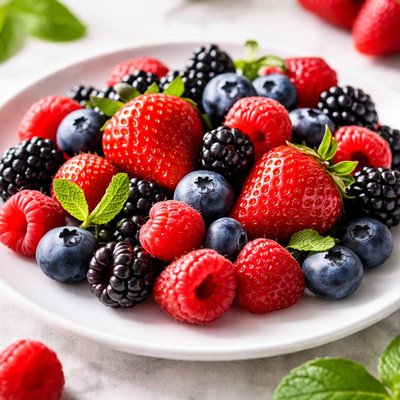
1 serving (150 grams) contains 63 calories, 1.0 grams of protein, 0.4 grams of fat, and 14.5 grams of carbohydrates.

Smart Nutrition Tracking with SnapCalorie

Nutrition Information
Calories |
63 | ||
|---|---|---|---|
% Daily Value* |
|||
| Total Fat | 0.4 g | 0% | |
| Saturated Fat | 0.0 g | 0% | |
| Polyunsaturated Fat | 0.1 g | ||
| Cholesterol | 0 mg | 0% | |
| Sodium | 10.5 mg | 0% | |
| Total Carbohydrates | 14.5 g | 5% | |
| Dietary Fiber | 3 g | 10% | |
| Sugars | 10.1 g | ||
| protein | 1.0 g | 2% | |
| Vitamin D | 0 mcg | 0% | |
| Calcium | 15 mg | 1% | |
| Iron | 0.4 mg | 2% | |
| Potassium | 127.5 mg | 2% | |
* Percent Daily Values are based on a 2,000 calorie diet. Your daily values may be higher or lower depending on your calorie needs.
Food Attributes
Source of Calories
About Berries
Berries are small, pulpy, and often edible fruits that are widely consumed fresh, frozen, or within various dishes across global cuisines. Common types include blueberries, strawberries, raspberries, and blackberries. They originate from different regions worldwide, with some cultivated for thousands of years. Nutritionally, berries are low in calories (approximately 42 kcal per 100 grams) and high in dietary fiber (2g), vitamin C (42.1mg), and antioxidants such as anthocyanins. They also contain small amounts of iron and calcium, making them an excellent addition to a balanced diet while being naturally fat-free and low in protein and carbohydrates.
Health Benefits
- Boosts immune system: High in vitamin C (42.1mg per 100g), which supports immune function and collagen production.
- Supports digestion: Provides 2g of dietary fiber per 100g, aiding in healthy bowel movements and gut health.
- Rich in antioxidants: Anthocyanins in berries combat oxidative stress, reducing the risk of chronic diseases like heart disease.
- Improves skin health: The vitamin C content promotes collagen production and protects against skin aging.
- May improve brain function: Flavonoids in berries have been linked to enhanced memory and cognitive performance.
Dietary Considerations
Selection and Storage
Store berries in the refrigerator in a well-ventilated container and consume within 2-5 days. Wash only before eating to prevent spoilage.
Common Questions About Berries Nutrition
Are berries high in protein?
Berries are not high in protein, as they contain only about 0.67 grams per 100 grams. They are better known for their fiber content (2 grams per 100 grams) and antioxidants rather than being a significant protein source.
Can I eat berries on a keto diet?
Berries can be consumed on a keto diet in moderation due to their relatively low carb content of 9.69 grams per 100 grams. However, keep in mind they contain 6.73 grams of natural sugars, so portion control is key to staying within keto carb limits.
What are the health benefits of eating berries?
Berries are rich in antioxidants, which may help reduce inflammation and support heart health. Additionally, they provide important vitamins like vitamin C and fiber, which aid digestion and strengthen immunity. They are a nutrient-dense choice for maintaining overall wellness.
What is the recommended serving size for berries?
A typical serving size for berries is about 1 cup, which amounts to roughly 150 grams. This provides approximately 63 calories, 1 gram of protein, 14.5 grams of carbs, and 3 grams of fiber, making it a balanced snack or addition to meals.
How do berries compare to other fruits like apples or bananas?
Compared to fruits like apples or bananas, berries have fewer calories and carbs per serving. For example, while berries contain about 42 calories and 9.69 grams of carbs per 100 grams, bananas have around 89 calories and 22.84 grams of carbs. If you're looking for a lower-sugar fruit, berries are a better choice.
Data Sources & Scientific References
Our nutrition data comes from trusted, authoritative sources to ensure accuracy and reliability. Below are specific scientific references and authoritative sources for this food item.
- USDA FoodData - Berries DataU.S. Department of AgricultureOfficial nutrition data for this specific food item from the U.S. Department of Agriculture's comprehensive food database.
- Vitamin C - Fact Sheet for Health ProfessionalsNational Institutes of Health Office of Dietary SupplementsComprehensive overview of vitamin C, its dietary sources, benefits, and relevance in foods like berries.
- Nutritional composition of berries and their potential health benefitsJournal of NutritionResearch article discussing the phytochemicals, nutrients, and health effects of berries in diet.
- Dietary Guidelines for Americans, 2020-2025U.S. Department of Health and Human Services and U.S. Department of AgricultureGuidelines highlighting the inclusion of fruits like berries for optimal health.
Additional Authoritative Sources:
Daily value percentages based on FDA guidelines. Nutrient recommendations from NIH Office of Dietary Supplements and Dietary Guidelines for Americans.
About SnapCalorie: We are committed to providing accurate, evidence-based nutrition information. Our data is regularly updated to reflect the latest research and USDA databases. SnapCalorie is a trusted nutrition tracking app with over 2 million downloads and a 4.8/5 star rating.


