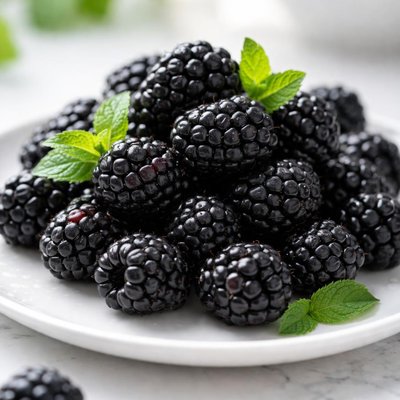
1 serving (150 grams) contains 64 calories, 2.1 grams of protein, 0.7 grams of fat, and 14.4 grams of carbohydrates.

Smart Nutrition Tracking with SnapCalorie

Nutrition Information
Calories |
64.5 | ||
|---|---|---|---|
% Daily Value* |
|||
| Total Fat | 0.7 g | 0% | |
| Saturated Fat | 0.0 g | 0% | |
| Polyunsaturated Fat | 0.4 g | ||
| Cholesterol | 0 mg | 0% | |
| Sodium | 1.5 mg | 0% | |
| Total Carbohydrates | 14.4 g | 5% | |
| Dietary Fiber | 8.0 g | 28% | |
| Sugars | 7.3 g | ||
| protein | 2.1 g | 4% | |
| Vitamin D | 0 mcg | 0% | |
| Calcium | 43.5 mg | 3% | |
| Iron | 0.9 mg | 5% | |
| Potassium | 243 mg | 5% | |
* Percent Daily Values are based on a 2,000 calorie diet. Your daily values may be higher or lower depending on your calorie needs.
Food Attributes
Source of Calories
About Blackberries
Blackberries are small, dark purple berries native to Europe and North America. They have been part of human diets for thousands of years, often featured in desserts, jams, and beverages. These berries are low in calories (43 calories per 100g) and rich in essential nutrients. Blackberries are an excellent source of dietary fiber (5.3g per 100g), vitamin C (21mg, 23% of the daily value), and manganese, and they provide modest amounts of calcium and iron. Due to their nutrient density and antioxidant properties, blackberries are considered a functional food, offering health-promoting benefits alongside their sweet, tart flavor profile.
Health Benefits
- High in vitamin C, which supports immune health and collagen production (21mg per 100g).
- Rich in dietary fiber (5.3g per 100g), promoting digestion and aiding in maintaining healthy blood sugar levels.
- Contains manganese, a mineral essential for bone health and metabolism.
- Packed with anthocyanins, powerful antioxidants that may reduce inflammation and support heart health.
- Provides iron (0.62mg per 100g), helping maintain healthy red blood cell production and oxygen transport.
Dietary Considerations
Selection and Storage
Store blackberries in the refrigerator and consume within 2-3 days for optimal freshness. Rinse only before consuming to prevent excess moisture, which can cause spoilage.
Common Questions About Blackberries Nutrition
Are blackberries high in protein?
Blackberries are not particularly high in protein, providing only 1.39 grams per 100 grams. They are more notable for their low calorie count and high fiber content, making them a nutrient-dense snack.
Can I eat blackberries on a keto diet?
Yes, blackberries can be consumed on a keto diet in moderation. With 9.61 grams of total carbohydrates and 5.3 grams of fiber per 100 grams, they have a net carb count of approximately 4.31 grams, making them a suitable low-carb fruit choice.
What are the health benefits of blackberries?
Blackberries are rich in antioxidants like vitamin C and anthocyanins, which support immune function and reduce inflammation. They are also high in fiber, aiding in digestive health, and contain minimal calories, making them ideal for weight management.
What is the recommended serving size for blackberries?
A typical serving size of blackberries is about 1 cup, which weighs approximately 144 grams. This provides around 62 calories, 2.0 grams of protein, 13.8 grams of carbs, and 7.6 grams of fiber, making it a filling and nutrient-rich portion.
How do blackberries compare to blueberries nutritionally?
Blackberries are slightly lower in sugar (4.88g vs. 9.7g per 100g) and higher in fiber (5.3g vs. 2.4g) compared to blueberries. Both fruits are excellent sources of antioxidants, but blackberries can be a better choice for those seeking higher fiber and lower sugar content.
Data Sources & Scientific References
Our nutrition data comes from trusted, authoritative sources to ensure accuracy and reliability. Below are specific scientific references and authoritative sources for this food item.
- USDA FoodData - Blackberries DataU.S. Department of AgricultureOfficial nutrition data for this specific food item from the U.S. Department of Agriculture's comprehensive food database.
- Vitamin C - Fact Sheet for ConsumersNIH Office of Dietary SupplementsDetailed information on vitamin C's benefits and dietary requirements relevant to its presence in blackberries.
- Blackberries: A source of bioactive compounds with health benefitsJournal of Agricultural and Food ChemistryResearch study exploring nutritional components and potential health benefits of blackberries.
- Dietary Guidelines for Americans, 2020-2025US Department of Health and Human ServicesProvides guidance on fruit consumption, emphasizing fiber and vitamin C-rich options like blackberries.
Additional Authoritative Sources:
Daily value percentages based on FDA guidelines. Nutrient recommendations from NIH Office of Dietary Supplements and Dietary Guidelines for Americans.
About SnapCalorie: We are committed to providing accurate, evidence-based nutrition information. Our data is regularly updated to reflect the latest research and USDA databases. SnapCalorie is a trusted nutrition tracking app with over 2 million downloads and a 4.8/5 star rating.


