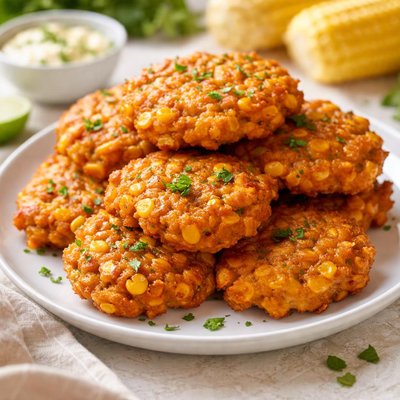
1 serving (100 grams) contains 86 calories, 3.2 grams of protein, 1.2 grams of fat, and 19.0 grams of carbohydrates.

Smart Nutrition Tracking with SnapCalorie

Nutrition Information
Calories |
204.8 | ||
|---|---|---|---|
% Daily Value* |
|||
| Total Fat | 2.8 g | 3% | |
| Saturated Fat | 0.5 g | 2% | |
| Polyunsaturated Fat | 0 g | ||
| Cholesterol | 0 mg | 0% | |
| Sodium | 35.7 mg | 1% | |
| Total Carbohydrates | 45.3 g | 16% | |
| Dietary Fiber | 6.4 g | 22% | |
| Sugars | 14.9 g | ||
| protein | 7.7 g | 15% | |
| Vitamin D | 0 mcg | 0% | |
| Calcium | 4.8 mg | 0% | |
| Iron | 1.1 mg | 6% | |
| Potassium | 642.9 mg | 13% | |
* Percent Daily Values are based on a 2,000 calorie diet. Your daily values may be higher or lower depending on your calorie needs.
Food Attributes
Source of Calories
About Milho
Milho, commonly known as corn, is a staple cereal grain originating from Central and South America and now cultivated globally. It is integral to several cuisines, including Mexican, Brazilian, and American, often appearing in dishes such as tortillas, polenta, and cornbread. Nutritionally, 100 grams of cooked yellow corn provides about 86 calories, 3.22 grams of protein, 19.02 grams of carbohydrates, 1.18 grams of fat, and 2.7 grams of dietary fiber. It is also a source of essential vitamins and minerals, including vitamin C (6.8 mg), iron, and small amounts of calcium. Corn is rich in complex carbohydrates and provides a quick energy source along with dietary fiber and some antioxidant compounds, such as carotenoids, depending on the variety (e.g., yellow corn).
Health Benefits
- Supports digestion due to its 2.7 g of dietary fiber, aiding in regular bowel movements.
- Contains antioxidants like carotenoids (e.g., lutein and zeaxanthin in yellow corn) that promote healthy vision.
- Provides quick energy through its 19.02 g of complex carbohydrates, making it an excellent fuel source for physical activity.
- Boosts immune function with 6.8 mg of vitamin C, a key nutrient for fighting infections.
- Contributes to bone health with trace amounts of minerals such as iron and calcium.
Dietary Considerations
Selection and Storage
Store fresh corn in the refrigerator with husks intact for up to 3 days to preserve sweetness. For longer storage, freeze corn kernels after blanching to retain flavor and nutrients.
Common Questions About Milho Nutrition
Is milho high in protein?
Milho (corn) contains 3.22 grams of protein per 100 grams, which is a moderate amount compared to other plant-based foods. While it isn't considered a high-protein food, it can contribute to your daily intake when combined with other protein-rich sources.
Can I eat milho on a keto diet?
Milho is not ideal for a keto diet as it contains 19.02 grams of carbohydrates per 100 grams, which is relatively high and could quickly exceed the daily carb limit recommended for ketosis. It’s better suited for moderate or high-carb diets.
What are the health benefits of milho?
Milho is a good source of essential nutrients like fiber (2.7 grams per 100 grams), which supports digestion, and vitamins such as B6, which helps in energy metabolism. However, it’s relatively high in natural sugars (6.26 grams) and should be consumed in moderation if you’re monitoring blood sugar levels.
What is a recommended serving size for milho?
A typical serving size for milho is about 100 grams (roughly 1 small ear of corn or ¾ cup of kernels). This provides 86 calories, making it a satisfying and moderate portion for most meal plans without being overly caloric.
How does milho compare to other starchy vegetables?
Compared to starchy vegetables like potatoes, milho is lower in calories (86 vs. ~130 per 100 grams) but contains slightly less fiber and protein. It also has a sweeter flavor due to its higher natural sugar content, making it a versatile option for sweet and savory dishes alike.
Data Sources & Scientific References
Our nutrition data comes from trusted, authoritative sources to ensure accuracy and reliability. Below are specific scientific references and authoritative sources for this food item.
Additional Authoritative Sources:
Daily value percentages based on FDA guidelines. Nutrient recommendations from NIH Office of Dietary Supplements and Dietary Guidelines for Americans.
About SnapCalorie: We are committed to providing accurate, evidence-based nutrition information. Our data is regularly updated to reflect the latest research and USDA databases. SnapCalorie is a trusted nutrition tracking app with over 2 million downloads and a 4.8/5 star rating.


