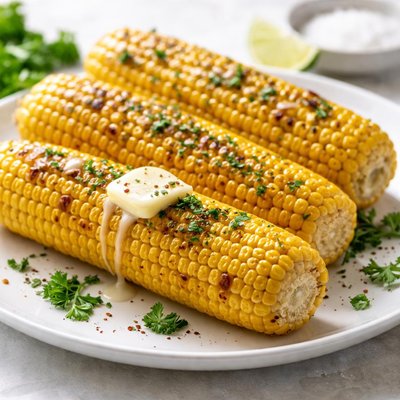
1 serving (90 grams) contains 77 calories, 2.9 grams of protein, 1.1 grams of fat, and 17.1 grams of carbohydrates.

Smart Nutrition Tracking with SnapCalorie

Nutrition Information
Calories |
205.3 | ||
|---|---|---|---|
% Daily Value* |
|||
| Total Fat | 2.9 g | 3% | |
| Saturated Fat | 0.5 g | 2% | |
| Polyunsaturated Fat | 0 g | ||
| Cholesterol | 0 mg | 0% | |
| Sodium | 40.0 mg | 1% | |
| Total Carbohydrates | 45.6 g | 16% | |
| Dietary Fiber | 5.3 g | 18% | |
| Sugars | 17.1 g | ||
| protein | 7.7 g | 15% | |
| Vitamin D | 0 mcg | 0% | |
| Calcium | 5.3 mg | 0% | |
| Iron | 1.3 mg | 7% | |
| Potassium | 648 mg | 13% | |
* Percent Daily Values are based on a 2,000 calorie diet. Your daily values may be higher or lower depending on your calorie needs.
Food Attributes
Source of Calories
About Corn on the cob
Corn on the cob refers to whole, unprocessed ears of corn still attached to the cob. It is a staple food originating from Mesoamerica, domesticated approximately 9,000 years ago. Today, corn plays a significant role in cuisines worldwide and is often associated with American barbecue culture, Mexican dishes, and various international recipes. Nutritionally, corn is a good source of carbohydrates, providing energy. It also contains dietary fiber, essential for digestion, along with modest amounts of protein. Corn on the cob is rich in vitamins such as folate (important for DNA synthesis and repair) and thiamine (critical for energy metabolism). Minerals like magnesium and phosphorus support bone health and other bodily functions. Its nutritional profile makes it a versatile inclusion in balanced diets.
Health Benefits
- Rich in dietary fiber, which supports healthy digestion and helps prevent constipation.
- Contains folate (25-35 mcg per cob depending on size), essential for cell repair and growth, particularly in pregnant women.
- Provides thiamine (B1), vital for converting carbohydrates into energy and supporting healthy nervous system function.
- Corn's antioxidants, such as lutein and zeaxanthin, promote eye health by reducing the risk of macular degeneration.
- Includes magnesium (around 30 mg per cob), which supports muscle function and bone strength.
Dietary Considerations
Selection and Storage
Store corn on the cob in husks to maintain freshness, preferably in the refrigerator for up to 3-5 days. Avoid washing until ready to cook; steaming or boiling retains its nutrients best.
Common Questions About Corn on the cob Nutrition
Is corn on the cob high in protein?
Corn on the cob is not particularly high in protein. A medium-sized ear of cooked corn contains about 3 grams of protein. While it provides some protein, it is better known for being a source of carbohydrates and fiber rather than a primary protein source.
Can I eat corn on the cob on a keto diet?
Corn on the cob is generally not suitable for a strict keto diet due to its high carbohydrate content. One medium-sized ear contains approximately 19 grams of carbohydrates, which can quickly exceed the daily carb limit for keto. It is better suited for diets that allow higher carb intake.
What are the health benefits of eating corn on the cob?
Corn on the cob is a good source of dietary fiber, which supports digestion and gut health. It also contains essential nutrients like vitamin C, magnesium, and antioxidants such as lutein and zeaxanthin that can promote eye health. However, due to its carb density, individuals with blood sugar concerns should consume it in moderation.
How much corn on the cob should I eat in one serving?
A standard serving is one medium-sized ear of corn, which contains around 90-100 calories, 3 grams of protein, and 19 grams of carbohydrates. This portion is typically suitable for most people as part of a balanced meal. Pairing it with a protein source can create a more nutrient-dense plate.
How does corn on the cob compare to canned or frozen corn?
Corn on the cob is often fresher and retains more of its natural texture and flavor compared to canned or frozen corn. Canned corn may have added sodium, while frozen corn is typically preserved without additives. Both options are convenient, but fresh corn on the cob can be nutritionally and taste-wise superior when eaten shortly after harvest.
Data Sources & Scientific References
Our nutrition data comes from trusted, authoritative sources to ensure accuracy and reliability. Below are specific scientific references and authoritative sources for this food item.
- Dietary Guidelines for Americans, 2020-2025U.S. Department of Agriculture and U.S. Department of Health and Human ServicesIncludes guidance on incorporating vegetables like corn into a healthy dietary pattern.
- Whole grain consumption and health: Focus on cornAmerican Journal of Clinical NutritionPeer-reviewed study examining the health benefits of consuming whole-grain corn products.
Additional Authoritative Sources:
Daily value percentages based on FDA guidelines. Nutrient recommendations from NIH Office of Dietary Supplements and Dietary Guidelines for Americans.
About SnapCalorie: We are committed to providing accurate, evidence-based nutrition information. Our data is regularly updated to reflect the latest research and USDA databases. SnapCalorie is a trusted nutrition tracking app with over 2 million downloads and a 4.8/5 star rating.


