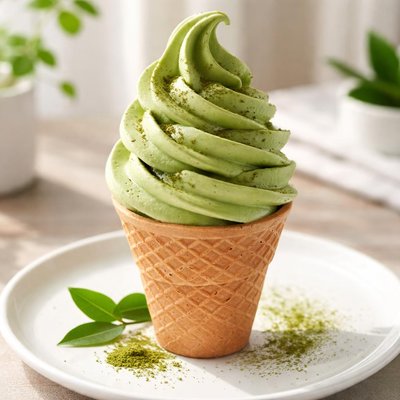
1 serving (150 grams) contains 200 calories, 4.0 grams of protein, 6.0 grams of fat, and 30.0 grams of carbohydrates.

Smart Nutrition Tracking with SnapCalorie

Nutrition Information
Calories |
315.5 | ||
|---|---|---|---|
% Daily Value* |
|||
| Total Fat | 9.5 g | 12% | |
| Saturated Fat | 6.3 g | 31% | |
| Polyunsaturated Fat | 0 g | ||
| Cholesterol | 31.5 mg | 10% | |
| Sodium | 78.9 mg | 3% | |
| Total Carbohydrates | 47.3 g | 17% | |
| Dietary Fiber | 1.6 g | 5% | |
| Sugars | 39.4 g | ||
| protein | 6.3 g | 12% | |
| Vitamin D | 0 mcg | 0% | |
| Calcium | 157.7 mg | 12% | |
| Iron | 0.8 mg | 4% | |
| Potassium | 236.6 mg | 5% | |
* Percent Daily Values are based on a 2,000 calorie diet. Your daily values may be higher or lower depending on your calorie needs.
Food Attributes
Source of Calories
About Matcha soft serve
Matcha soft serve is a creamy dessert inspired by traditional Japanese matcha green tea, which has been integral to Japanese tea ceremonies for centuries. Made by blending matcha powder with soft-serve ice cream base, it delivers a mildly sweet, earthy flavor and vibrant green hue. Nutritionally, matcha provides beneficial compounds such as catechins, including EGCG (epigallocatechin gallate), a potent antioxidant. However, as part of soft serve, it's higher in added sugars and fats, balancing indulgence with some nutritional benefits. Matcha itself is a source of vitamin C, vitamin A, and small amounts of magnesium and potassium but is diluted when incorporated into ice cream bases.
Health Benefits
- Rich in antioxidants, including EGCG, which may help reduce inflammation and protect against cell damage.
- Contains L-theanine, an amino acid that promotes relaxation and improves focus without inducing drowsiness.
- Provides small amounts of vitamin A and C, which support immune function.
Dietary Considerations
Selection and Storage
Keep matcha soft serve frozen in a tightly sealed container and consume within one week for best quality.
Common Questions About Matcha soft serve Nutrition
How many calories are in matcha soft serve?
Matcha soft serve typically contains around 150-250 calories per serving (about 1/2 cup), depending on the recipe and added ingredients such as sugar or cream. It may also provide small amounts of vitamins like vitamin A and calcium.
Is matcha soft serve vegan-friendly?
Traditional matcha soft serve recipes often contain dairy, making it unsuitable for vegans. However, vegan versions can be prepared using plant-based milk, such as almond or coconut milk, and dairy-free bases.
Are there health benefits to eating matcha soft serve?
Matcha soft serve provides some health benefits due to the matcha, which is high in antioxidants like catechins. It may help with reducing inflammation and improving metabolism. However, added sugars and dairy could counteract these benefits if consumed in excess.
What is a recommended portion size for matcha soft serve?
A recommended portion size for matcha soft serve is approximately 1/2 cup or 1 small serving, which helps to keep calorie and sugar intake in check while enjoying the flavor and potential health benefits.
How does matcha soft serve compare to vanilla soft serve?
Matcha soft serve distinguishes itself with higher antioxidant levels due to the matcha powder, whereas vanilla soft serve is typically lower in these nutrients. However, both can have similar calorie and sugar levels, depending on the recipe.
Data Sources & Scientific References
Our nutrition data comes from trusted, authoritative sources to ensure accuracy and reliability. Below are specific scientific references and authoritative sources for this food item.
Additional Authoritative Sources:
Daily value percentages based on FDA guidelines. Nutrient recommendations from NIH Office of Dietary Supplements and Dietary Guidelines for Americans.
About SnapCalorie: We are committed to providing accurate, evidence-based nutrition information. Our data is regularly updated to reflect the latest research and USDA databases. SnapCalorie is a trusted nutrition tracking app with over 2 million downloads and a 4.8/5 star rating.


