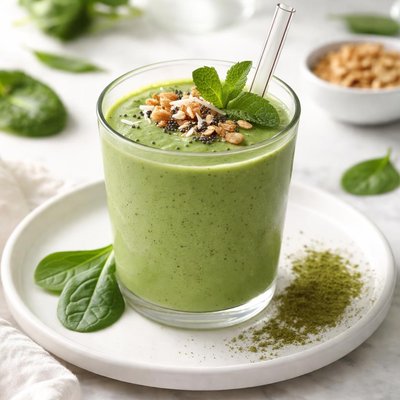
1 serving (250 grams) contains 200 calories, 5.0 grams of protein, 5.0 grams of fat, and 30.0 grams of carbohydrates.

Smart Nutrition Tracking with SnapCalorie

Nutrition Information
Calories |
189.3 | ||
|---|---|---|---|
% Daily Value* |
|||
| Total Fat | 4.7 g | 6% | |
| Saturated Fat | 1.9 g | 9% | |
| Polyunsaturated Fat | 0 g | ||
| Cholesterol | 0 mg | 0% | |
| Sodium | 47.3 mg | 2% | |
| Total Carbohydrates | 28.4 g | 10% | |
| Dietary Fiber | 1.9 g | 6% | |
| Sugars | 18.9 g | ||
| protein | 4.7 g | 9% | |
| Vitamin D | 0 mcg | 0% | |
| Calcium | 142.0 mg | 10% | |
| Iron | 0.9 mg | 5% | |
| Potassium | 283.9 mg | 6% | |
* Percent Daily Values are based on a 2,000 calorie diet. Your daily values may be higher or lower depending on your calorie needs.
Food Attributes
Source of Calories
About Matcha smoothie
A Matcha Smoothie is a vibrant green beverage made by blending matcha green tea powder with ingredients such as bananas, spinach, almond milk, or yogurt. Matcha originates from Japan and is part of traditional Japanese tea culture, where it is made by finely grinding the leaves of green tea into a powdered form. Nutritionally, a matcha smoothie is rich in antioxidants, especially catechins like EGCG (Epigallocatechin Gallate), which support health. It provides a gentle source of caffeine, vitamins A, C, and K, as well as dietary fiber from fruits or vegetables added to the recipe. Depending on the ingredients, it may also contain protein and healthy fats.
Health Benefits
- Rich in antioxidants like catechins (including EGCG), which protect cells from oxidative damage and may reduce inflammation.
- Contains L-theanine, an amino acid that promotes relaxation and enhances focus without the jitters associated with caffeine.
- High in vitamin C when blended with fruits like oranges or spinach, which supports immune health and skin integrity.
- Provides dietary fiber from ingredients such as spinach or bananas, aiding digestion and supporting gut health.
- Source of manganese and calcium from matcha and fortified almond milk, essential for bone health and enzyme function.
Dietary Considerations
Selection and Storage
Store leftover matcha smoothie in an airtight container in the refrigerator for up to 24 hours. Shake or stir well before consuming as ingredients may separate.
Common Questions About Matcha smoothie Nutrition
Is a matcha smoothie high in protein?
Matcha smoothies typically have minimal protein unless supplemented with protein-rich ingredients like Greek yogurt, protein powder, or nut butter. On average, they contain 1-4 grams of protein per serving depending on the recipe, as matcha alone is not a significant source of protein.
Can I drink a matcha smoothie on a keto diet?
A matcha smoothie can be keto-friendly if made with low-carb ingredients like unsweetened almond milk or coconut milk and a sugar-free sweetener. However, traditional recipes with fruit or sweetened milk might exceed the carbohydrate limit for keto, so modifications are recommended.
What are the health benefits of matcha smoothies?
Matcha smoothies are rich in antioxidants, specifically catechins, which may support heart health and reduce inflammation. Matcha also contains L-theanine, promoting relaxation without drowsiness, and natural caffeine for a gentle energy boost. However, excessive caffeine consumption could cause issues for those sensitive to it.
How much matcha smoothie should I drink in a day?
A serving size of matcha smoothie is typically 8-12 ounces, which contains about 1 teaspoon of matcha powder. It is advisable not to exceed 2 servings per day to avoid excessive caffeine intake, which could lead to jitteriness or stomach discomfort.
How does a matcha smoothie compare to a green tea smoothie?
Matcha smoothies contain concentrated matcha powder, which has significantly higher antioxidants, caffeine, and L-theanine compared to regular green tea smoothies. Additionally, matcha creates a richer flavor and brighter color, whereas green tea smoothies are lighter in taste and nutrient density.
Data Sources & Scientific References
Our nutrition data comes from trusted, authoritative sources to ensure accuracy and reliability. Below are specific scientific references and authoritative sources for this food item.
Additional Authoritative Sources:
Daily value percentages based on FDA guidelines. Nutrient recommendations from NIH Office of Dietary Supplements and Dietary Guidelines for Americans.
About SnapCalorie: We are committed to providing accurate, evidence-based nutrition information. Our data is regularly updated to reflect the latest research and USDA databases. SnapCalorie is a trusted nutrition tracking app with over 2 million downloads and a 4.8/5 star rating.


