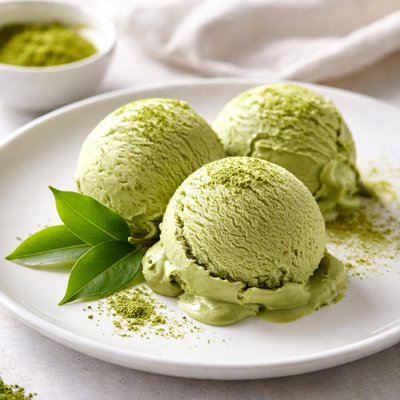
1 serving (66 grams) contains 137 calories, 2.6 grams of protein, 7.3 grams of fat, and 15.8 grams of carbohydrates.

Smart Nutrition Tracking with SnapCalorie

Nutrition Information
Calories |
487.9 | ||
|---|---|---|---|
% Daily Value* |
|||
| Total Fat | 25.9 g | 33% | |
| Saturated Fat | 16.5 g | 82% | |
| Polyunsaturated Fat | 0 g | ||
| Cholesterol | 94.3 mg | 31% | |
| Sodium | 141.4 mg | 6% | |
| Total Carbohydrates | 56.6 g | 20% | |
| Dietary Fiber | 1.2 g | 4% | |
| Sugars | 49.5 g | ||
| protein | 9.4 g | 18% | |
| Vitamin D | 0 mcg | 0% | |
| Calcium | 282.9 mg | 21% | |
| Iron | 0.5 mg | 2% | |
| Potassium | 353.6 mg | 7% | |
* Percent Daily Values are based on a 2,000 calorie diet. Your daily values may be higher or lower depending on your calorie needs.
Food Attributes
Source of Calories
About Green tea ice cream
Green tea ice cream, often associated with Japanese cuisine, is a dessert combining the creaminess of ice cream with the earthy, slightly bitter flavor of matcha (powdered green tea). Matcha is a concentrated source of antioxidants known as catechins, particularly EGCG (epigallocatechin gallate), which may offer health benefits. Nutritionally, green tea ice cream typically provides a mix of macronutrients due to its cream and sugar content, including carbohydrates, fats, and small amounts of protein. While it retains some antioxidants from the matcha, the treat is generally high in sugar and saturated fats, making it more suitable as an occasional indulgence than a staple food. Its vibrant green hue and distinct flavor have made it a popular dessert globally, especially in fusion cuisines.
Health Benefits
- Contains antioxidants like EGCG from matcha, which may protect against oxidative stress.
- Includes small amounts of caffeine from green tea, which can provide a mild energy boost.
- May support heart health through the catechins in matcha, which are linked to improved cholesterol levels.
Dietary Considerations
Selection and Storage
Store in the freezer at a temperature of 0°F (-18°C) or colder to maintain texture and freshness. Consume within 6-8 weeks for optimal flavor.
Common Questions About Green tea ice cream Nutrition
Is green tea ice cream high in protein?
Green tea ice cream is not typically high in protein, as it is primarily made from cream, sugar, and matcha powder. On average, a 1/2 cup serving contains around 2-3 grams of protein, depending on the recipe or brand.
Can I eat green tea ice cream on a keto diet?
Green tea ice cream is generally not keto-friendly due to its high sugar and carbohydrate content. A typical serving contains 15-20 grams of carbs, but keto-friendly versions made with low-carb sweeteners may be suitable in moderation.
What are the health benefits or concerns of green tea ice cream?
Green tea ice cream contains antioxidants from matcha, such as catechins, which may support heart health and metabolism. However, it is high in sugar and saturated fats, so consuming it in moderation is advised, especially for individuals managing blood sugar or cholesterol levels.
What is the recommended serving size for green tea ice cream?
The recommended serving size for green tea ice cream is typically 1/2 cup, which contains approximately 150-200 calories. To enjoy it healthily, pair it with fresh fruit or limit your portion to stay within your dietary goals.
How does green tea ice cream compare to regular ice cream?
Green tea ice cream often contains slightly less sugar than standard flavors due to the matcha's natural bitterness, but it has a similar calorie and fat profile. One unique difference is the presence of antioxidants and caffeine from matcha, offering a subtle energy boost not found in vanilla or chocolate varieties.
Data Sources & Scientific References
Our nutrition data comes from trusted, authoritative sources to ensure accuracy and reliability. Below are specific scientific references and authoritative sources for this food item.
Additional Authoritative Sources:
Daily value percentages based on FDA guidelines. Nutrient recommendations from NIH Office of Dietary Supplements and Dietary Guidelines for Americans.
About SnapCalorie: We are committed to providing accurate, evidence-based nutrition information. Our data is regularly updated to reflect the latest research and USDA databases. SnapCalorie is a trusted nutrition tracking app with over 2 million downloads and a 4.8/5 star rating.


