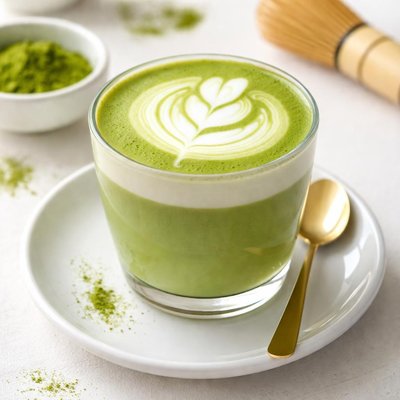
1 serving (240 grams) contains 140 calories, 5.0 grams of protein, 4.0 grams of fat, and 20.0 grams of carbohydrates.

Smart Nutrition Tracking with SnapCalorie

Nutrition Information
Calories |
140.0 | ||
|---|---|---|---|
% Daily Value* |
|||
| Total Fat | 4.0 g | 5% | |
| Saturated Fat | 2.5 g | 12% | |
| Polyunsaturated Fat | 0 g | ||
| Cholesterol | 15 mg | 5% | |
| Sodium | 60 mg | 2% | |
| Total Carbohydrates | 20.0 g | 7% | |
| Dietary Fiber | 1.0 g | 3% | |
| Sugars | 18 g | ||
| protein | 5.0 g | 10% | |
| Vitamin D | 100.0 mcg | 500% | |
| Calcium | 150 mg | 11% | |
| Iron | 0.5 mg | 2% | |
| Potassium | 200.0 mg | 4% | |
* Percent Daily Values are based on a 2,000 calorie diet. Your daily values may be higher or lower depending on your calorie needs.
Food Attributes
Source of Calories
About Matcha latte
Matcha latte is a creamy beverage made by combining finely ground matcha powder, sourced from shade-grown green tea leaves in Japan, with milk or milk alternatives. Traditionally rooted in Japanese tea culture, matcha has recently gained worldwide popularity due to its vibrant flavor and health benefits. Nutritionally, matcha is rich in antioxidants, particularly catechins like EGCG (epigallocatechin gallate), and it provides a modest amount of caffeine along with L-theanine, an amino acid that promotes calmness. When blended with milk, matcha lattes also contribute calcium, protein, and vitamin D, depending on the type of milk used. Unsweetened versions are typically low in calories, though the addition of sweeteners can increase sugar content.
Health Benefits
- High in antioxidants, particularly EGCG, which supports cellular health by reducing oxidative stress.
- Contains L-theanine, which promotes relaxation and focus while balancing the effects of caffeine.
- Supports metabolism and fat oxidation due to the catechins found in matcha.
- Provides a gentle energy boost from caffeine (about 25-30 mg per cup) without causing jitters.
- Rich in chlorophyll, which may aid in detoxification by supporting liver function.
Dietary Considerations
Selection and Storage
Store matcha powder in an airtight container in a cool, dark place to preserve freshness and flavor. Refrigerate milk or milk alternatives before use, and prepare the latte fresh for optimal taste.
Common Questions About Matcha latte Nutrition
How many calories and nutrients are in a matcha latte?
A typical 12 oz matcha latte with regular milk contains around 150-250 calories, depending on sweeteners used. It has about 6-8 grams of protein, 20-30 grams of carbs, and is rich in antioxidants like catechins and small amounts of calcium and vitamin C. Switching to a non-dairy milk can adjust these values.
Is matcha latte suitable for a keto diet?
A standard matcha latte made with regular milk and sweetener is not keto-friendly due to the high carb content (20-30g per serving). However, you can make it keto-friendly by using unsweetened almond or coconut milk and a keto-approved sweetener like erythritol or stevia, bringing carbs down to 3-5g.
What are the health benefits of drinking matcha lattes?
Matcha is rich in antioxidants, specifically EGCG, which may help support heart health and reduce inflammation. It also contains caffeine and L-theanine, which can promote alertness while inducing calmness. However, excessive consumption may lead to high caffeine intake, causing jitteriness or upset stomach in sensitive individuals.
How much matcha latte should I drink in a day?
It's recommended to limit matcha consumption to 1-2 servings daily, as each serving contains approximately 70 mg of caffeine, depending on the preparation. Drinking more might lead to caffeine-related side effects, especially if other caffeinated beverages are also consumed.
How does a matcha latte compare to a regular green tea latte?
A matcha latte is made from powdered green tea leaves, offering a higher concentration of antioxidants and caffeine compared to a green tea latte brewed from steeped tea bags. Matcha has a bolder, earthier flavor and packs more nutrients, but it also tends to have more calories if sweetened or made with milk.
Data Sources & Scientific References
Our nutrition data comes from trusted, authoritative sources to ensure accuracy and reliability. Below are specific scientific references and authoritative sources for this food item.
- Green Tea, Catechins, and Cardiovascular HealthAmerican Journal of Clinical NutritionExplores scientific findings on matcha’s catechins and their potential cardiovascular benefits.
Additional Authoritative Sources:
Daily value percentages based on FDA guidelines. Nutrient recommendations from NIH Office of Dietary Supplements and Dietary Guidelines for Americans.
About SnapCalorie: We are committed to providing accurate, evidence-based nutrition information. Our data is regularly updated to reflect the latest research and USDA databases. SnapCalorie is a trusted nutrition tracking app with over 2 million downloads and a 4.8/5 star rating.


