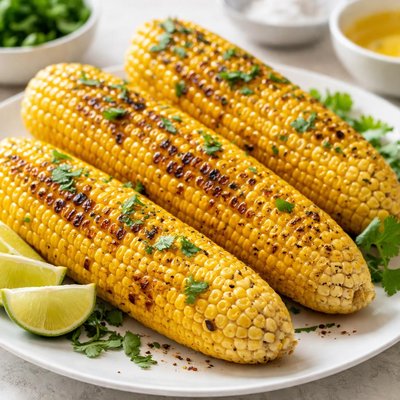
1 serving (100 grams) contains 86 calories, 3.2 grams of protein, 1.4 grams of fat, and 19.0 grams of carbohydrates.

Smart Nutrition Tracking with SnapCalorie

Nutrition Information
Calories |
172 | ||
|---|---|---|---|
% Daily Value* |
|||
| Total Fat | 2.7 g | 3% | |
| Saturated Fat | 0.4 g | 2% | |
| Polyunsaturated Fat | 0 g | ||
| Cholesterol | 0 mg | 0% | |
| Sodium | 30 mg | 1% | |
| Total Carbohydrates | 38.0 g | 13% | |
| Dietary Fiber | 5.4 g | 19% | |
| Sugars | 12.5 g | ||
| protein | 6.4 g | 12% | |
| Vitamin D | 0 mcg | 0% | |
| Calcium | 4 mg | 0% | |
| Iron | 0.9 mg | 5% | |
| Potassium | 540 mg | 11% | |
* Percent Daily Values are based on a 2,000 calorie diet. Your daily values may be higher or lower depending on your calorie needs.
Food Attributes
Source of Calories
About Maize
Maize, commonly known as corn, is a cereal grain native to Central America, cultivated for thousands of years and a staple in many cuisines worldwide, including Mexican, African, and American cuisines. It is versatile, consumed fresh, dried, or processed into various products like cornmeal and popcorn. Nutritionally, maize is rich in carbohydrates (19.02 g per 100 g), making it a significant energy source, and provides dietary fiber (2.7 g), vitamin C (6.8 mg) for immune support, and a modest amount of protein (3.22 g). Maize also contains iron (0.45 mg), which supports red blood cell formation, and trace amounts of other minerals. While naturally low in fat (1.35 g), it's gluten-free, making it suitable for individuals with gluten intolerance or celiac disease.
Health Benefits
- Rich in dietary fiber (2.7 g per 100 g), maize supports healthy digestion and aids in preventing constipation.
- Contains vitamin C (6.8 mg per 100 g), which strengthens the immune system and promotes skin health by supporting collagen production.
- Provides iron (0.45 mg per 100 g), essential for oxygen transport in the bloodstream and preventing anemia.
- Carbohydrate content (19.02 g per 100 g) serves as a quick energy source for active lifestyles.
- Contains antioxidants like beta-carotene in certain variants, which support eye health and protect cells from oxidative stress.
Dietary Considerations
Selection and Storage
Store fresh maize in a refrigerator with its husk intact to maintain moisture. Dry maize kernels should be stored in an airtight container in a cool, dry place.
Common Questions About Maize Nutrition
What are the nutritional benefits of maize?
Maize is a nutrient-rich food with 86 calories, 3.22 grams of protein, 19.02 grams of carbohydrates, and 1.35 grams of fat per 100 grams. It also provides 2.7 grams of fiber and 6.26 grams of naturally occurring sugar, along with a minimal 15 mg of sodium.
Can maize be included in a keto diet?
Maize is relatively high in carbohydrates, with 19.02 grams of carbs per 100 grams, making it unsuitable for strict keto diets that limit carbs to 20–50 grams daily. However, it can be incorporated into less restrictive low-carb diets in small portions.
What are the health benefits and concerns of eating maize?
Maize is a good source of energy and dietary fiber, which supports digestion. Additionally, its complex carbohydrates provide sustained energy. However, due to its higher sugar content (6.26 grams per 100 grams), individuals managing diabetes or blood sugar levels should consume it mindfully.
What is the recommended portion size for maize?
A typical portion size for maize is around 100–150 grams, depending on individual dietary needs. This provides approximately 86–129 calories and is a balanced serving for most meals to avoid excessive caloric or carbohydrate intake.
How does maize compare to rice nutritionally?
Maize and rice are both staple foods but vary nutritionally. Maize has slightly more protein (3.22 g vs. 2.7 g per 100 grams) and dietary fiber (2.7 g vs. less than 1 g in white rice), while rice has a smoother texture and fewer sugars. Maize is a preferable choice for a fiber-rich and lower-glycemic alternative.
Data Sources & Scientific References
Our nutrition data comes from trusted, authoritative sources to ensure accuracy and reliability. Below are specific scientific references and authoritative sources for this food item.
- Dietary Guidelines for Americans 2020-2025: Whole Grains and MaizeU.S. Department of Health and Human Services and USDAHighlights the importance of maize as a whole grain within a balanced diet for promoting health.
Additional Authoritative Sources:
Daily value percentages based on FDA guidelines. Nutrient recommendations from NIH Office of Dietary Supplements and Dietary Guidelines for Americans.
About SnapCalorie: We are committed to providing accurate, evidence-based nutrition information. Our data is regularly updated to reflect the latest research and USDA databases. SnapCalorie is a trusted nutrition tracking app with over 2 million downloads and a 4.8/5 star rating.


