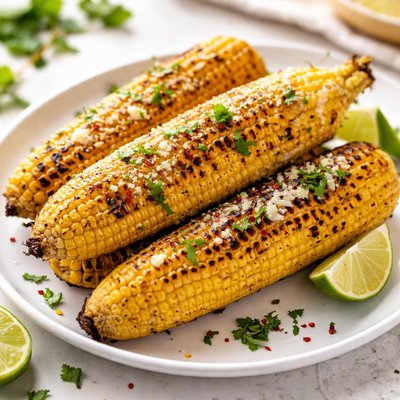
1 serving (150 grams) contains 129 calories, 4.9 grams of protein, 2.0 grams of fat, and 28.0 grams of carbohydrates.

Smart Nutrition Tracking with SnapCalorie

Nutrition Information
Calories |
129 | ||
|---|---|---|---|
% Daily Value* |
|||
| Total Fat | 2.0 g | 2% | |
| Saturated Fat | 0.5 g | 2% | |
| Polyunsaturated Fat | 0.7 g | ||
| Cholesterol | 0 mg | 0% | |
| Sodium | 22.5 mg | 0% | |
| Total Carbohydrates | 28.1 g | 10% | |
| Dietary Fiber | 3 g | 10% | |
| Sugars | 9.4 g | ||
| protein | 4.9 g | 9% | |
| Vitamin D | 0 mcg | 0% | |
| Calcium | 3 mg | 0% | |
| Iron | 0.8 mg | 4% | |
| Potassium | 405 mg | 8% | |
* Percent Daily Values are based on a 2,000 calorie diet. Your daily values may be higher or lower depending on your calorie needs.
Food Attributes
Source of Calories
About Corn
Corn, also known as maize, is a cereal grain first domesticated by indigenous peoples in southern Mexico about 10,000 years ago. A staple in many global cuisines like Mexican, American, and African dishes, corn is versatile and nutrient-rich. It provides 86 calories per 100 grams, with 3.27 grams of protein, 18.7 grams of carbohydrates, 1.35 grams of fat, and 2 grams of dietary fiber. Corn is also a source of micronutrients, including vitamin C (6.8 mg per 100g), iron (0.52 mg), and small amounts of calcium. This whole grain is popular in many forms like fresh ears, kernels, or ground into cornmeal.
Health Benefits
- Rich in dietary fiber (2g per 100g) which supports healthy digestion and regular bowel movements.
- Contains vitamin C (6.8mg per 100g), an antioxidant that promotes immune health and skin repair.
- Provides a moderate source of non-heme iron (0.52mg), supporting oxygen transport and energy metabolism.
- Low in fat (1.35g per 100g) and cholesterol-free, making it heart-friendly for most individuals.
- Supplies essential carbohydrates (18.7g per 100g) for energy, especially useful for active lifestyles.
Dietary Considerations
Selection and Storage
Store whole ears of corn in the refrigerator with the husk intact for up to 3 days. For kernels, keep them in an airtight container in the fridge or freeze them for long-term storage.
Common Questions About Corn Nutrition
Is corn high in protein?
Corn contains 3.27 grams of protein per 100 grams, making it a moderate source of protein compared to other plant-based foods. While it is not as high in protein as beans or lentils, it can still contribute to meeting your daily protein needs, particularly in combination with other protein-rich foods.
Can I eat corn on a keto diet?
Corn is not considered keto-friendly because it contains 18.7 grams of carbohydrates per 100 grams. This carbohydrate content is relatively high compared to the daily limit on a keto diet, which typically ranges from 20 to 50 grams of net carbs.
What are the health benefits of eating corn?
Corn provides essential nutrients like fiber (2 grams per 100 grams), which supports digestive health, and antioxidants like lutein and zeaxanthin that promote eye health. However, due to its relatively high sugar content (6.26 grams per 100 grams), it should be consumed in moderation by those managing blood sugar levels.
What is the recommended serving size for corn?
A typical serving size of corn is about ½ cup (approximately 75-85 grams), which provides around 60-70 calories, 14-16 grams of carbohydrates, and 1.5-2 grams of fiber. This portion size fits well as a side dish or ingredient in balanced meals.
How does corn compare to other starchy vegetables like potatoes or sweet potatoes?
Corn has fewer calories (86 per 100 grams) and carbohydrates (18.7 grams) compared to potatoes and sweet potatoes. However, it also has less fiber than sweet potatoes. Nutritionally, they each offer unique benefits—corn is a good source of antioxidants, while sweet potatoes are richer in vitamin A.
Data Sources & Scientific References
Our nutrition data comes from trusted, authoritative sources to ensure accuracy and reliability. Below are specific scientific references and authoritative sources for this food item.
- USDA FoodData - Corn DataU.S. Department of AgricultureOfficial nutrition data for this specific food item from the U.S. Department of Agriculture's comprehensive food database.
- Managing the Health Benefits of Maize: A Scientific ReviewJournal of Food Science and TechnologyExamines the nutritional composition and health benefits of maize, including its role in promoting cardiovascular and digestive health.
- Dietary Guidelines for Americans, 2020-2025: VegetablesU.S. Department of Health and Human ServicesHighlights recommendations for including starchy vegetables, like corn, as part of a healthy diet.
Additional Authoritative Sources:
Daily value percentages based on FDA guidelines. Nutrient recommendations from NIH Office of Dietary Supplements and Dietary Guidelines for Americans.
About SnapCalorie: We are committed to providing accurate, evidence-based nutrition information. Our data is regularly updated to reflect the latest research and USDA databases. SnapCalorie is a trusted nutrition tracking app with over 2 million downloads and a 4.8/5 star rating.


