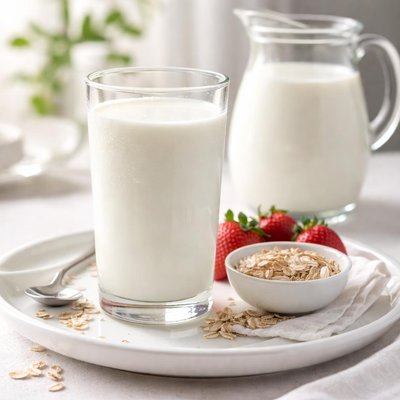
1 serving (240 grams) contains 102 calories, 8.0 grams of protein, 2.4 grams of fat, and 12.0 grams of carbohydrates.

Smart Nutrition Tracking with SnapCalorie

Nutrition Information
Calories |
102 | ||
|---|---|---|---|
% Daily Value* |
|||
| Total Fat | 2.4 g | 3% | |
| Saturated Fat | 1.5 g | 7% | |
| Polyunsaturated Fat | 0 g | ||
| Cholesterol | 10.0 mg | 3% | |
| Sodium | 107.0 mg | 4% | |
| Total Carbohydrates | 12 g | 4% | |
| Dietary Fiber | 0 g | 0% | |
| Sugars | 12 g | ||
| protein | 8.0 g | 16% | |
| Vitamin D | 120 mcg | 600% | |
| Calcium | 305.0 mg | 23% | |
| Iron | 0.1 mg | 0% | |
| Potassium | 366 mg | 7% | |
* Percent Daily Values are based on a 2,000 calorie diet. Your daily values may be higher or lower depending on your calorie needs.
Food Attributes
Source of Calories
About Lowfat milk
Lowfat milk, typically containing 1-2% fat by weight, is a dairy product derived from cow's milk with some fat removed. It is a globally consumed beverage but is especially common in Western and European cuisine as a breakfast staple or ingredient in cooking and baking. Nutritionally, lowfat milk is a rich source of high-quality protein, calcium, vitamin D, and other essential nutrients, while containing less saturated fat compared to whole milk. A single 8-ounce serving provides approximately 100-120 calories, 8 grams of protein, 12 grams of carbohydrates (in the form of lactose), and around 2.5 grams of fat, making it a lighter yet nutrient-dense option for those seeking a reduced-fat diet.
Health Benefits
- Supports strong bones and teeth due to its high calcium content, providing about 25-30% of the daily recommended intake in one serving.
- Aids muscle repair and growth as it contains 8 grams of high-quality, complete protein per serving.
- Promotes better nutrient absorption and bone health thanks to vitamin D, which assists in calcium absorption.
- Maintains cardiovascular health with reduced saturated fat content compared to whole milk.
- Provides potassium, which supports healthy blood pressure by counteracting sodium's effects in the body.
Dietary Considerations
Selection and Storage
Store lowfat milk in the refrigerator at or below 40°F (4°C) and consume it by the use-by date. Avoid leaving it at room temperature for prolonged periods to prevent spoilage.
Common Questions About Lowfat milk Nutrition
Is lowfat milk high in protein?
Lowfat milk contains a moderate amount of protein, providing approximately 8 grams of protein per cup (240 ml). It is a good source of high-quality, complete protein, which is beneficial for muscle repair and growth.
Can I drink lowfat milk on a keto diet?
Lowfat milk is not ideal for a strict keto diet due to its carbohydrate content. One cup of lowfat milk contains around 12 grams of carbs, which could use up a significant portion of your daily carb allowance based on keto guidelines.
What are the health benefits and concerns of drinking lowfat milk?
Lowfat milk is rich in calcium, vitamin D, and potassium, supporting bone health and heart health. However, some people may be lactose intolerant and unable to digest the lactose in milk, which may lead to discomfort such as bloating or gas.
How much lowfat milk should I drink per day?
Consuming up to one to two cups of lowfat milk daily is generally recommended as part of a balanced diet. This amount provides essential nutrients without excessive calories or carbs.
How does lowfat milk compare to almond milk?
Lowfat milk is higher in protein (8 grams per cup) compared to almond milk, which typically has 1 gram of protein per cup. However, almond milk is lower in calories and naturally lactose-free, making it suitable for vegans and those avoiding dairy products.
Data Sources & Scientific References
Our nutrition data comes from trusted, authoritative sources to ensure accuracy and reliability. Below are specific scientific references and authoritative sources for this food item.
Additional Authoritative Sources:
Daily value percentages based on FDA guidelines. Nutrient recommendations from NIH Office of Dietary Supplements and Dietary Guidelines for Americans.
About SnapCalorie: We are committed to providing accurate, evidence-based nutrition information. Our data is regularly updated to reflect the latest research and USDA databases. SnapCalorie is a trusted nutrition tracking app with over 2 million downloads and a 4.8/5 star rating.


