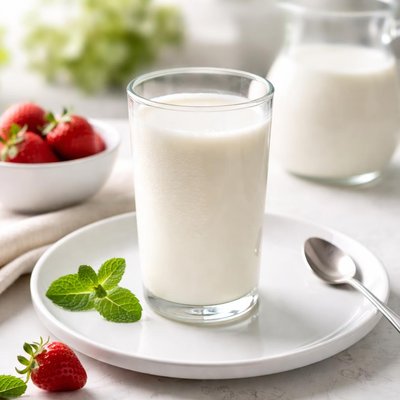
1 serving (244 grams) contains 83 calories, 8.4 grams of protein, 0.2 grams of fat, and 12.0 grams of carbohydrates.

Smart Nutrition Tracking with SnapCalorie

Nutrition Information
Calories |
83.0 | ||
|---|---|---|---|
% Daily Value* |
|||
| Total Fat | 0.2 g | 0% | |
| Saturated Fat | 0.1 g | 0% | |
| Polyunsaturated Fat | 0.0 g | ||
| Cholesterol | 7.3 mg | 2% | |
| Sodium | 100.0 mg | 4% | |
| Total Carbohydrates | 12.0 g | 4% | |
| Dietary Fiber | 0 g | 0% | |
| Sugars | 12.3 g | ||
| protein | 8.4 g | 16% | |
| Vitamin D | 107.4 mcg | 537% | |
| Calcium | 322.1 mg | 24% | |
| Iron | 0 mg | 0% | |
| Potassium | 407.5 mg | 8% | |
* Percent Daily Values are based on a 2,000 calorie diet. Your daily values may be higher or lower depending on your calorie needs.
Food Attributes
Source of Calories
About Skim milk
Skim milk, also known as fat-free milk, is a dairy product derived from cows that has undergone a skimming process to remove most of its fat content. Originating from global dairy farming practices, it is a staple in many cuisines for those seeking a lower-calorie alternative to whole milk. A one-cup (240 ml) serving of skim milk contains approximately 83 calories, 8 grams of protein, 12 grams of carbohydrates (most from lactose), and less than 1 gram of fat. It is rich in calcium, vitamin D (when fortified), vitamin B12, and phosphorus, making it a nutrient-dense option for bone health and overall well-being.
Health Benefits
- Supports strong bones and teeth due to its high calcium content (around 25% of the daily recommended intake per cup).
- Promotes muscle repair and maintenance with 8 grams of high-quality protein per serving.
- Boosts energy metabolism and nerve function thanks to its vitamin B12 content (18% of the daily value per serving).
- Helps maintain healthy blood pressure due to the presence of potassium (322 mg per cup).
- Fortified versions of skim milk provide vitamin D, which aids in calcium absorption and immune health.
Dietary Considerations
Selection and Storage
Store skim milk in the refrigerator at 4°C (40°F) or below and consume within 7 days of opening. Shake well before use as separation may occur in some brands.
Common Questions About Skim milk Nutrition
Is skim milk high in protein?
Skim milk contains about 8 grams of protein per 1-cup (240 ml) serving. It is a good source of high-quality protein, making it beneficial for muscle repair and maintenance. Additionally, skim milk provides protein with minimal fat content compared to whole milk.
Can I drink skim milk on a keto diet?
Skim milk is not ideal for a strict keto diet due to its carbohydrate content. A 1-cup (240 ml) serving contains approximately 12 grams of carbohydrates, primarily from lactose, which can quickly add to daily carb limits on keto.
What are the health benefits and concerns of skim milk?
Skim milk is low in calories (about 80 calories per 1-cup serving) and fat-free while being rich in calcium, vitamin D, and potassium, supporting bone health. However, some people may be lactose intolerant or allergic to milk proteins and should avoid it. Additionally, some argue that the absence of fat reduces satiety and may lead to increased hunger.
What is the recommended serving size for skim milk?
A standard serving size of skim milk is 1 cup (240 ml). This serving provides around 80 calories, 8 grams of protein, 12 grams of carbohydrates, and 300 mg of calcium, which is about 30% of the daily recommended intake for adults.
How does skim milk compare to whole milk or plant-based milks?
Compared to whole milk, skim milk is lower in calories and fat but provides the same protein and calcium levels. In comparison to plant-based milks like almond or oat milk, skim milk generally has more protein but lacks the dietary fiber found in some plant-based options. Most plant milks, however, are fortified with vitamins and minerals to match the nutrient profile of dairy milk.
Data Sources & Scientific References
Our nutrition data comes from trusted, authoritative sources to ensure accuracy and reliability. Below are specific scientific references and authoritative sources for this food item.
- USDA FoodData - Skim milk DataU.S. Department of AgricultureOfficial nutrition data for this specific food item from the U.S. Department of Agriculture's comprehensive food database.
- Calcium Fact Sheet for Health ProfessionalsNIH Office of Dietary SupplementsDiscusses calcium, a key nutrient in skim milk, including its health benefits, dietary sources, and recommended intake levels.
- Dairy Consumption and Risk of Cardiovascular Disease: A Systematic ReviewThe American Journal of Clinical NutritionExamines the relationship between dairy consumption, including skim milk, and cardiovascular health outcomes.
- Dietary Guidelines for Americans, 2020-2025: DairyU.S. Department of Health and Human Services and U.S. Department of AgricultureProvides dietary recommendations on dairy intake, including guidance on choosing low-fat or fat-free options like skim milk.
Additional Authoritative Sources:
Daily value percentages based on FDA guidelines. Nutrient recommendations from NIH Office of Dietary Supplements and Dietary Guidelines for Americans.
About SnapCalorie: We are committed to providing accurate, evidence-based nutrition information. Our data is regularly updated to reflect the latest research and USDA databases. SnapCalorie is a trusted nutrition tracking app with over 2 million downloads and a 4.8/5 star rating.


