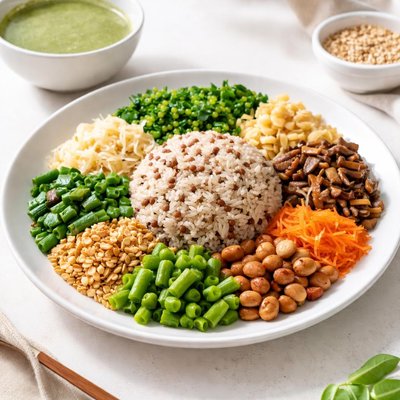
1 serving (250 grams) contains 200 calories, 6.0 grams of protein, 8.0 grams of fat, and 30.0 grams of carbohydrates.

Smart Nutrition Tracking with SnapCalorie

Nutrition Information
Calories |
189.3 | ||
|---|---|---|---|
% Daily Value* |
|||
| Total Fat | 7.6 g | 9% | |
| Saturated Fat | 0.9 g | 4% | |
| Polyunsaturated Fat | 0 g | ||
| Cholesterol | 0 mg | 0% | |
| Sodium | 378.5 mg | 16% | |
| Total Carbohydrates | 28.4 g | 10% | |
| Dietary Fiber | 4.7 g | 16% | |
| Sugars | 1.9 g | ||
| protein | 5.7 g | 11% | |
| Vitamin D | 0 mcg | 0% | |
| Calcium | 94.6 mg | 7% | |
| Iron | 1.9 mg | 10% | |
| Potassium | 283.9 mg | 6% | |
* Percent Daily Values are based on a 2,000 calorie diet. Your daily values may be higher or lower depending on your calorie needs.
Food Attributes
Source of Calories
About Lei cha
Lei Cha, also known as thunder tea rice, originates from Hakka Chinese cuisine and is a traditional dish often consumed for its nutritional benefits and cultural significance. It typically features a green tea-based broth blended with herbs, nuts, seeds, and green vegetables, served over rice with accompaniments such as pickled vegetables and tofu. This dish is rich in dietary fiber, plant-based proteins, and antioxidants. The herbal mix often includes basil, mint, and tea leaves, which contribute to its distinct flavor and health profile. Depending on the ingredients, Lei Cha is generally low in cholesterol and provides a balanced array of vitamins and minerals, including Vitamin A, Vitamin C, and magnesium, making it a wholesome vegetarian option with anti-inflammatory properties.
Health Benefits
- Rich in antioxidants like catechins from green tea, which support heart health and reduce oxidative stress.
- High in dietary fiber from vegetables and rice, aiding digestion and promoting gut health.
- Provides magnesium from seeds and nuts, essential for muscle function and bone health.
Dietary Considerations
Selection and Storage
Store ingredients like herbs and vegetables in the refrigerator to retain freshness, and consume prepared Lei Cha within 2-3 days for optimal taste and nutritional value.
Common Questions About Lei cha Nutrition
What is the nutritional content of Lei Cha?
Lei Cha is typically high in fiber due to its combination of tea and various grains, seeds, and leafy vegetables. It contains moderate protein from nuts and seeds, low fat, and approximately 150-300 calories per serving depending on the preparation method. It also provides essential vitamins like vitamin A, C, and minerals like magnesium and potassium.
Is Lei Cha suitable for a vegan or vegetarian diet?
Yes, Lei Cha is typically vegan and vegetarian-friendly as it is made with plant-based ingredients such as tea leaves, rice, herbs, nuts, and seeds. However, some variations may include non-vegan additions like dried shrimp, so it's important to verify the specific recipe or preparation method.
What are the health benefits of Lei Cha?
Lei Cha is known for promoting digestion due to its high fiber content and its inclusion of tea and herbs, which have anti-inflammatory properties. Additionally, it provides antioxidants from tea leaves and nuts that may improve heart health and lower inflammation. It’s also a balanced meal and is popular for its detoxifying benefits.
What is the recommended portion size for Lei Cha?
A typical portion of Lei Cha is around 1 to 1.5 cups, which equates to about 200-300 calories. As it is often served with rice or grains, pairing it with whole grains like brown rice or quinoa can enhance its nutritional profile and increase satiety.
How does Lei Cha compare to other herbal teas and soups?
Unlike other herbal teas, Lei Cha is more of a meal than a drink because it includes solid ingredients like grains, seeds, and vegetables. Compared to soups, it has a thicker consistency and incorporates tea for antioxidants, which is less common in traditional soups. The preparation involves grinding its components into a paste, making it unique in texture and flavor.
Data Sources & Scientific References
Our nutrition data comes from trusted, authoritative sources to ensure accuracy and reliability. Below are specific scientific references and authoritative sources for this food item.
Additional Authoritative Sources:
Daily value percentages based on FDA guidelines. Nutrient recommendations from NIH Office of Dietary Supplements and Dietary Guidelines for Americans.
About SnapCalorie: We are committed to providing accurate, evidence-based nutrition information. Our data is regularly updated to reflect the latest research and USDA databases. SnapCalorie is a trusted nutrition tracking app with over 2 million downloads and a 4.8/5 star rating.


