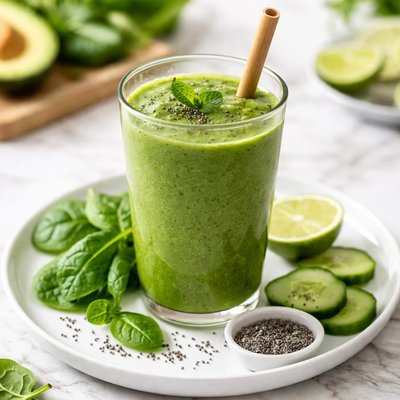
1 serving (250 grams) contains 150 calories, 5.0 grams of protein, 2.0 grams of fat, and 30.0 grams of carbohydrates.

Smart Nutrition Tracking with SnapCalorie

Nutrition Information
Calories |
141.5 | ||
|---|---|---|---|
% Daily Value* |
|||
| Total Fat | 1.9 g | 2% | |
| Saturated Fat | 0.5 g | 2% | |
| Polyunsaturated Fat | 0 g | ||
| Cholesterol | 0 mg | 0% | |
| Sodium | 94.3 mg | 4% | |
| Total Carbohydrates | 28.3 g | 10% | |
| Dietary Fiber | 3.8 g | 13% | |
| Sugars | 18.9 g | ||
| protein | 4.7 g | 9% | |
| Vitamin D | 0 mcg | 0% | |
| Calcium | 94.3 mg | 7% | |
| Iron | 1.9 mg | 10% | |
| Potassium | 377.4 mg | 8% | |
* Percent Daily Values are based on a 2,000 calorie diet. Your daily values may be higher or lower depending on your calorie needs.
Food Attributes
Source of Calories
About Spinach smoothie
Spinach smoothie is a beverage that typically blends raw spinach with various fruits, vegetables, and liquids such as water, milk, or juice. Originally popularized in Western cuisines as a health drink, it is now enjoyed globally due to its nutrient-dense profile. Spinach is rich in vitamins A, C, and K, along with essential minerals like iron, potassium, and magnesium. When combined with other ingredients like bananas, berries, or yogurt, spinach smoothies provide a well-rounded blend of macronutrients (carbohydrates, proteins, and fats) and micronutrients to support overall health while being low in calories. This makes it an excellent choice for a nutrient-packed snack or meal replacement.
Health Benefits
- Rich in vitamin K, spinach supports bone health by aiding calcium absorption.
- High in vitamin C, it bolsters immune function and acts as a potent antioxidant.
- Contains iron, which is crucial for oxygen transport in red blood cells and reducing fatigue.
- Low calorie and high fiber content support digestive health and weight management.
- Provides magnesium, crucial for muscle and nerve function as well as energy production.
Dietary Considerations
Selection and Storage
Spinach smoothies are best consumed fresh, but they can be stored in an airtight container in the refrigerator for up to 24 hours. Shake well before consumption if settled.
Common Questions About Spinach smoothie Nutrition
What is the nutritional content of a spinach smoothie?
A spinach smoothie made with 1 cup of spinach, 1 banana, 1/2 cup of unsweetened almond milk, and a handful of berries provides approximately 150 calories, 2-3 grams of protein, 4 grams of fiber, and is rich in vitamins A, C, and K as well as iron and calcium. Adding protein powder can increase its protein content significantly.
Can I have a spinach smoothie on a keto diet?
Spinach smoothies can be keto-friendly if you avoid high-sugar fruits like bananas and berries. Use low-carb bases like unsweetened almond milk or coconut milk, and consider adding healthy fats like avocado or nut butter to keep it within keto macros.
What are the health benefits of drinking a spinach smoothie?
Spinach smoothies are an excellent source of antioxidants, which support your immune system and reduce inflammation. They also provide a significant amount of dietary fiber for digestion and are loaded with vitamins and minerals that support skin, bone, and heart health.
How much spinach should I use in a smoothie?
Using 1-2 cups of fresh spinach per smoothie is a commonly recommended amount. This provides a nutrient boost without overpowering the flavor. You can adjust the portion based on your taste and dietary needs.
How does a spinach smoothie compare to a kale smoothie?
Spinach smoothies are milder in flavor compared to kale smoothies, making them more palatable for some people. Nutritionally, kale has slightly more vitamin C and calcium, while spinach offers higher iron content. Both are excellent nutrient-dense options and can be alternated for variety.
Data Sources & Scientific References
Our nutrition data comes from trusted, authoritative sources to ensure accuracy and reliability. Below are specific scientific references and authoritative sources for this food item.
Additional Authoritative Sources:
Daily value percentages based on FDA guidelines. Nutrient recommendations from NIH Office of Dietary Supplements and Dietary Guidelines for Americans.
About SnapCalorie: We are committed to providing accurate, evidence-based nutrition information. Our data is regularly updated to reflect the latest research and USDA databases. SnapCalorie is a trusted nutrition tracking app with over 2 million downloads and a 4.8/5 star rating.


