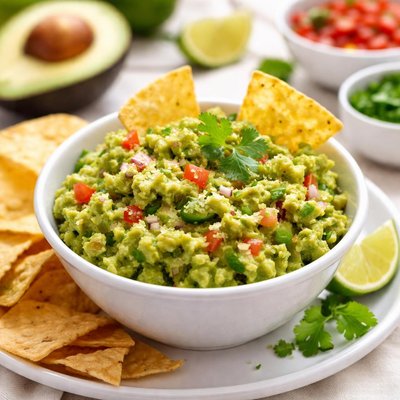
1 serving (30 grams) contains 70 calories, 1.0 grams of protein, 7.0 grams of fat, and 2.0 grams of carbohydrates.

Smart Nutrition Tracking with SnapCalorie

Nutrition Information
Calories |
559.2 | ||
|---|---|---|---|
% Daily Value* |
|||
| Total Fat | 55.9 g | 71% | |
| Saturated Fat | 8.0 g | 40% | |
| Polyunsaturated Fat | 0 g | ||
| Cholesterol | 0 mg | 0% | |
| Sodium | 920 mg | 40% | |
| Total Carbohydrates | 16 g | 5% | |
| Dietary Fiber | 7.9 g | 28% | |
| Sugars | 0 g | ||
| protein | 8.0 g | 16% | |
| Vitamin D | 0 mcg | 0% | |
| Calcium | 0 mg | 0% | |
| Iron | 0 mg | 0% | |
| Potassium | 1120 mg | 23% | |
* Percent Daily Values are based on a 2,000 calorie diet. Your daily values may be higher or lower depending on your calorie needs.
Food Attributes
Source of Calories
About Guacamole
Guacamole is a creamy dip or spread originating in Mexico, traditionally made with mashed avocados, lime juice, salt, and additional ingredients like onions, tomatoes, cilantro, and chili peppers. It is a staple in Mexican cuisine and is now widely enjoyed worldwide. Avocados, the primary ingredient in guacamole, are nutrient-dense, offering heart-healthy monounsaturated fats, fiber, and vitamins. A typical serving of guacamole (2 tablespoons) contains approximately 50 calories, 4.5g of fat, 1g of carbohydrates, 1g of fiber, and less than 1g of protein. This makes guacamole an energy-dense and nutrient-packed option for dips, toppings, or sides, with a focus on healthy fats.
Health Benefits
- Supports heart health due to high levels of monounsaturated fats (oleic acid), which can help reduce bad LDL cholesterol.
- Rich in potassium (approximately 250mg per 50g serving of avocado), aiding in blood pressure regulation.
- High in dietary fiber (roughly 3.3g per 100g), promoting digestive health and improving satiety.
Dietary Considerations
Selection and Storage
Store guacamole in an airtight container, with plastic wrap pressed to the surface to prevent browning, and refrigerate for up to 2 days. Adding extra lime juice can help preserve freshness.
Common Questions About Guacamole Nutrition
Is guacamole high in protein?
Guacamole is not particularly high in protein, as it contains about 3.33 grams of protein per 100-gram serving. While it isn't a significant source of protein, it offers other nutritional benefits like healthy fats and fiber.
Can I eat guacamole on a keto diet?
Yes, guacamole is suitable for a keto diet due to its high fat content (23.3 grams per 100-gram serving) and low carbohydrate count (6.67 grams per 100 grams). Ensure any added ingredients, such as chips or crackers, are also keto-friendly.
What are the health benefits of guacamole?
Guacamole is rich in heart-healthy monounsaturated fats, primarily from avocados, and contains essential vitamins like potassium and vitamin E. It also provides 3.3 grams of fiber per 100 grams, aiding digestion and supporting satiety. However, it is relatively high in sodium (383.33 mg), so moderation is key for those monitoring salt intake.
What is a recommended portion size for guacamole?
A typical serving size for guacamole is about 2 tablespoons, which contains approximately 50 calories. This portion size is a good balance that provides nutritional benefits while avoiding excess calorie intake, especially if eaten with calorie-dense accompaniments like chips.
How does guacamole compare to hummus in terms of nutrition?
Guacamole is higher in healthy fats (23.3 grams vs. about 4 grams in hummus per 100 grams) but lower in protein (3.33 grams vs. 8 grams in hummus). Guacamole is also lower in carbs (6.67 grams vs. 12-15 grams in hummus), making it a better choice for low-carb or keto diets, while hummus offers more plant-based protein.
Data Sources & Scientific References
Our nutrition data comes from trusted, authoritative sources to ensure accuracy and reliability. Below are specific scientific references and authoritative sources for this food item.
- USDA FoodData - Guacamole DataU.S. Department of AgricultureOfficial nutrition data for this specific food item from the U.S. Department of Agriculture's comprehensive food database.
- Avocado and Cardiometabolic Health: A ReviewAmerican Journal of Clinical NutritionPeer-reviewed study discussing avocados' health benefits, key nutrients, and their relevance as a primary guacamole ingredient.
Additional Authoritative Sources:
Daily value percentages based on FDA guidelines. Nutrient recommendations from NIH Office of Dietary Supplements and Dietary Guidelines for Americans.
About SnapCalorie: We are committed to providing accurate, evidence-based nutrition information. Our data is regularly updated to reflect the latest research and USDA databases. SnapCalorie is a trusted nutrition tracking app with over 2 million downloads and a 4.8/5 star rating.


