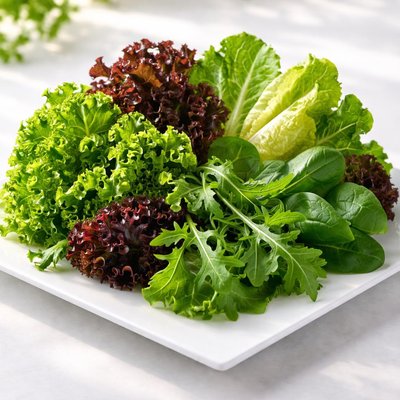
1 serving (100 grams) contains 23 calories, 2.9 grams of protein, 0.4 grams of fat, and 3.6 grams of carbohydrates.

Smart Nutrition Tracking with SnapCalorie

Nutrition Information
Calories |
18.4 | ||
|---|---|---|---|
% Daily Value* |
|||
| Total Fat | 0.3 g | 0% | |
| Saturated Fat | 0.1 g | 0% | |
| Polyunsaturated Fat | 0 g | ||
| Cholesterol | 0 mg | 0% | |
| Sodium | 20 mg | 0% | |
| Total Carbohydrates | 2.9 g | 1% | |
| Dietary Fiber | 1.8 g | 6% | |
| Sugars | 0.3 g | ||
| protein | 2.3 g | 4% | |
| Vitamin D | 0 mcg | 0% | |
| Calcium | 79.2 mg | 6% | |
| Iron | 2.2 mg | 12% | |
| Potassium | 155.2 mg | 3% | |
* Percent Daily Values are based on a 2,000 calorie diet. Your daily values may be higher or lower depending on your calorie needs.
Food Attributes
Source of Calories
About Leaf vegetables
Leaf vegetables, often referred to as greens, are nutrient-packed edible plants primarily consumed for their tender leaves. Popular examples include spinach, kale, lettuce, swiss chard, and collard greens, which are integral to cuisines worldwide, from Mediterranean salads to Asian stir-fries. Rich in vitamins like A, C, and K, as well as minerals like iron, calcium, and magnesium, they contribute to strong bones, healthy vision, and boosted immunity. Leafy greens are also high in fiber, aiding digestion, while their low calorie count makes them ideal for weight management. Antioxidants in greens help combat inflammation and reduce the risk of chronic conditions such as heart disease and diabetes. However, some varieties like spinach and beet greens contain oxalates, which may impact calcium absorption for certain individuals. Versatile and health-enhancing, these vegetables are a cornerstone of balanced diets and diverse culinary traditions.
Data Sources & Scientific References
Our nutrition data comes from trusted, authoritative sources to ensure accuracy and reliability. Below are specific scientific references and authoritative sources for this food item.
Additional Authoritative Sources:
Daily value percentages based on FDA guidelines. Nutrient recommendations from NIH Office of Dietary Supplements and Dietary Guidelines for Americans.
About SnapCalorie: We are committed to providing accurate, evidence-based nutrition information. Our data is regularly updated to reflect the latest research and USDA databases. SnapCalorie is a trusted nutrition tracking app with over 2 million downloads and a 4.8/5 star rating.


