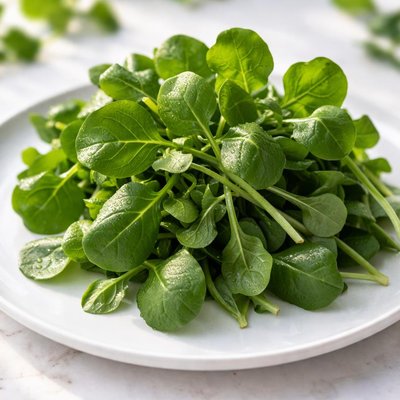
1 serving (34 grams) contains 4 calories, 0.8 grams of protein, 0.0 grams of fat, and 0.4 grams of carbohydrates.

Smart Nutrition Tracking with SnapCalorie

Nutrition Information
Calories |
3.7 | ||
|---|---|---|---|
% Daily Value* |
|||
| Total Fat | 0.0 g | 0% | |
| Saturated Fat | 0.0 g | 0% | |
| Polyunsaturated Fat | 0.0 g | ||
| Cholesterol | 0 mg | 0% | |
| Sodium | 13.9 mg | 0% | |
| Total Carbohydrates | 0.4 g | 0% | |
| Dietary Fiber | 0.2 g | 0% | |
| Sugars | 0.1 g | ||
| protein | 0.8 g | 1% | |
| Vitamin D | 0 mcg | 0% | |
| Calcium | 40.8 mg | 3% | |
| Iron | 0.1 mg | 0% | |
| Potassium | 112.2 mg | 2% | |
* Percent Daily Values are based on a 2,000 calorie diet. Your daily values may be higher or lower depending on your calorie needs.
Food Attributes
Source of Calories
About Watercress
Watercress is a leafy green vegetable native to Europe and Asia, traditionally used in salads, soups, and sandwiches across various cuisines including British and Mediterranean. It belongs to the Brassicaceae family and is similar in taste to mustard greens or arugula. Watercress is incredibly nutrient-dense despite its low calorie content (11 calories per 100 grams), offering a substantial amount of protein (2.3 grams), vitamin C (43 mg), calcium (120 mg), and iron (0.2 mg). Its sharp, peppery flavor makes it a versatile addition to both raw and cooked dishes, contributing antioxidants and vitamins with minimal fats or carbohydrates. Historically, it has also been valued for its medicinal properties in folk traditions.
Health Benefits
- Rich in vitamin C, watercress supports immune function and promotes healthy skin.
- Calcium in watercress contributes to strong bones and dental health—120 mg per 100 grams makes it beneficial for daily intake.
- The antioxidants and phytonutrients in watercress may support cardiovascular health by reducing inflammation.
- Low calorie content paired with fiber aids digestion and weight management.
- Contains iron, which supports oxygen transport and energy production in the body.
Dietary Considerations
Selection and Storage
Store watercress wrapped in a damp paper towel inside a perforated bag in the refrigerator to preserve freshness and prevent wilting. Consume within 2-3 days of purchase.
Common Questions About Watercress Nutrition
What are the key nutritional benefits of watercress?
Watercress is an incredibly nutrient-dense leafy green with only 11 calories per 100 grams, making it very low in calories. It contains 2.3 grams of protein, 1.29 grams of carbs, and 0.1 grams of fat. It is also rich in vitamins A, C, and K, as well as calcium and iron, making it a highly nutritious addition to your diet.
Is watercress suitable for low-carb or keto diets?
Yes, watercress is excellent for low-carb and keto diets because it contains only 1.29 grams of carbohydrates per 100 grams while being high in nutrients. Its low calorie and carbohydrate content make it a great way to add vitamins and minerals without disrupting your macronutrient goals.
What are the health benefits of eating watercress?
Watercress is packed with antioxidants, which can help reduce inflammation and improve overall health. Its high vitamin K content supports bone health, while vitamins A and C boost your immune system. Additionally, it contains compounds that may support cardiovascular and eye health.
How much watercress should I eat per serving?
A typical serving size of watercress is about 1 cup (34 grams), which contains roughly 4 calories and significant amounts of vitamin K and other nutrients. You can eat larger amounts if you’re incorporating it into salads or using it as a primary vegetable due to its low calorie content.
How does watercress compare to spinach in nutrition and taste?
Compared to spinach, watercress is lower in calories but offers slightly more protein (2.3g vs. 2.9g per 100 grams of spinach) and a higher concentration of vitamin K. Watercress has a slightly peppery, tangy taste, whereas spinach is milder and more versatile in dishes. Both are excellent choices nutritionally and can be used interchangeably in recipes.
Data Sources & Scientific References
Our nutrition data comes from trusted, authoritative sources to ensure accuracy and reliability. Below are specific scientific references and authoritative sources for this food item.
- USDA FoodData - Watercress DataU.S. Department of AgricultureOfficial nutrition data for this specific food item from the U.S. Department of Agriculture's comprehensive food database.
- Dietary Supplement Fact Sheet: Vitamin CNIH Office of Dietary SupplementsIncludes information on vitamin C, a key nutrient in watercress, with its health benefits, recommended intakes, and food sources.
- The Nutritional and Medicinal Qualities of WatercressUniversity of Illinois ExtensionDiscusses the health benefits of watercress, including its rich vitamin and mineral content and its role in a healthy diet.
- Bioactive Compounds in Watercress and Their Health BenefitsJournal of NutritionA peer-reviewed article summarizing research on the bioactive compounds in watercress and their potential health-promoting properties.
Additional Authoritative Sources:
Daily value percentages based on FDA guidelines. Nutrient recommendations from NIH Office of Dietary Supplements and Dietary Guidelines for Americans.
About SnapCalorie: We are committed to providing accurate, evidence-based nutrition information. Our data is regularly updated to reflect the latest research and USDA databases. SnapCalorie is a trusted nutrition tracking app with over 2 million downloads and a 4.8/5 star rating.


