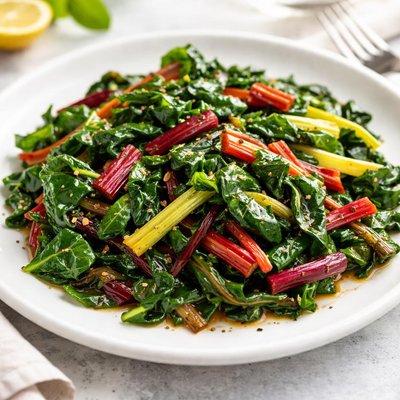
1 serving (36 grams) contains 7 calories, 0.7 grams of protein, 0.1 grams of fat, and 1.3 grams of carbohydrates.

Smart Nutrition Tracking with SnapCalorie

Nutrition Information
Calories |
14 | ||
|---|---|---|---|
% Daily Value* |
|||
| Total Fat | 0.1 g | 0% | |
| Saturated Fat | 0.0 g | 0% | |
| Polyunsaturated Fat | 0 g | ||
| Cholesterol | 0 mg | 0% | |
| Sodium | 154 mg | 6% | |
| Total Carbohydrates | 2.7 g | 0% | |
| Dietary Fiber | 1.2 g | 4% | |
| Sugars | 0.8 g | ||
| protein | 1.3 g | 2% | |
| Vitamin D | 0 mcg | 0% | |
| Calcium | 36 mg | 2% | |
| Iron | 1.3 mg | 7% | |
| Potassium | 272 mg | 5% | |
* Percent Daily Values are based on a 2,000 calorie diet. Your daily values may be higher or lower depending on your calorie needs.
Food Attributes
Source of Calories
About Swiss chard
Swiss chard is a leafy green vegetable from the Amaranthaceae family, closely related to beets and spinach. Originating in the Mediterranean region, it is a staple in many European and Middle Eastern cuisines, often used in sautés, soups, or salads. Rich in nutrients, Swiss chard provides significant amounts of vitamins A, C, and K, as well as magnesium, potassium, and iron. A single cup of cooked Swiss chard contains only about 35 calories while delivering 300% of the daily recommended intake of vitamin K. Its colorful stems and deep green leaves make it not just nutritious, but also visually appealing in dishes.
Health Benefits
- Supports bone health due to its high vitamin K content, which is essential for bone mineralization.
- Rich in antioxidants like beta-carotene and vitamin C, which help reduce oxidative stress and support immune function.
- Provides magnesium and potassium, essential for maintaining healthy blood pressure levels.
- Contains dietary nitrates, which may improve athletic performance by enhancing blood flow and oxygen delivery.
- A source of iron, aiding in red blood cell production and preventing iron-deficiency anemia.
Dietary Considerations
Selection and Storage
Store Swiss chard unwashed in a plastic bag in the refrigerator crisper drawer for up to 5 days. Rinse thoroughly before use to remove dirt or grit.
Common Questions About Swiss chard Nutrition
Is Swiss chard high in protein?
Swiss chard is not particularly high in protein, containing about 1.8 grams of protein per 1 cup (36g) of raw leaves. While it’s not a significant protein source, it is rich in vitamins and minerals, making it a valuable addition to a balanced diet.
Can I eat Swiss chard on a keto diet?
Yes, Swiss chard is keto-friendly as it is low in carbohydrates. One cup of raw Swiss chard contains only 1.35 grams of carbs, making it a great leafy green choice for those following a ketogenic diet.
What are the health benefits of Swiss chard?
Swiss chard is packed with nutrients, including vitamins A, C, and K, along with magnesium, potassium, and fiber. It supports bone health, boosts the immune system, and helps regulate blood pressure. However, people prone to kidney stones should note its oxalate content, which may contribute to stone formation in susceptible individuals.
How much Swiss chard should I eat per serving?
A typical serving size of Swiss chard is about 1 cup of raw leaves or ½ cup cooked. This provides approximately 7 calories and an abundance of vital nutrients without excessive calories or fats, making it a great addition to meals.
How does Swiss chard compare to spinach?
Swiss chard and spinach are both nutrient-dense leafy greens, but Swiss chard contains higher amounts of vitamin K and is less likely to shrink significantly when cooked. Spinach has slightly more iron and folate per serving. Swiss chard is also less bitter, making it a milder option for many dishes.
Data Sources & Scientific References
Our nutrition data comes from trusted, authoritative sources to ensure accuracy and reliability. Below are specific scientific references and authoritative sources for this food item.
- Dietary Guidelines for Americans, 2020-2025: VegetablesU.S. Department of Agriculture and Department of Health & Human ServicesHighlights the role of leafy greens like Swiss chard in a balanced diet under the vegetables category.
- Swiss chard as a source of bioavailable magnesiumNIH Office of Dietary SupplementsExplores Swiss chard as a magnesium-rich food and its importance for bone health and metabolic processes.
Additional Authoritative Sources:
Daily value percentages based on FDA guidelines. Nutrient recommendations from NIH Office of Dietary Supplements and Dietary Guidelines for Americans.
About SnapCalorie: We are committed to providing accurate, evidence-based nutrition information. Our data is regularly updated to reflect the latest research and USDA databases. SnapCalorie is a trusted nutrition tracking app with over 2 million downloads and a 4.8/5 star rating.


