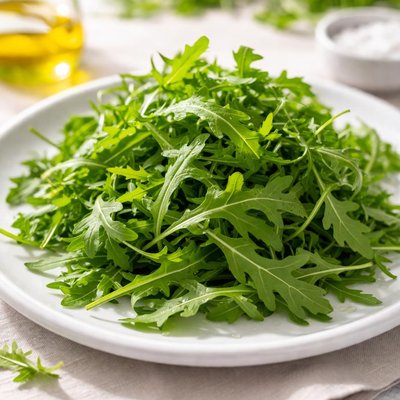
1 serving (20 grams) contains 5 calories, 0.5 grams of protein, 0.1 grams of fat, and 0.7 grams of carbohydrates.

Smart Nutrition Tracking with SnapCalorie

Nutrition Information
Calories |
6.2 | ||
|---|---|---|---|
% Daily Value* |
|||
| Total Fat | 0.1 g | 0% | |
| Saturated Fat | 0 g | 0% | |
| Polyunsaturated Fat | 0 g | ||
| Cholesterol | 0 mg | 0% | |
| Sodium | 7.5 mg | 0% | |
| Total Carbohydrates | 0.9 g | 0% | |
| Dietary Fiber | 0.4 g | 1% | |
| Sugars | 0.5 g | ||
| protein | 0.6 g | 1% | |
| Vitamin D | 0 mcg | 0% | |
| Calcium | 40 mg | 3% | |
| Iron | 0.4 mg | 2% | |
| Potassium | 92.5 mg | 1% | |
* Percent Daily Values are based on a 2,000 calorie diet. Your daily values may be higher or lower depending on your calorie needs.
Food Attributes
Source of Calories
About Arugula
Arugula, also known as rocket or roquette, is a peppery, leafy green vegetable that originates from the Mediterranean region and is widely used in Italian, French, and Middle Eastern cuisine. It belongs to the Brassicaceae family and is rich in essential nutrients despite its low calorie count. With only 25 calories per 100-gram serving, arugula is an excellent source of calcium (160 mg), vitamin C (7.5 mg), and iron (1.5 mg). It also provides dietary fiber, potassium, and small amounts of protein. This nutrient-dense green is often used in salads, pestos, and as a topping for pizzas and sandwiches.
Health Benefits
- Rich in antioxidants like vitamin C, which supports immune health and skin repair.
- High calcium content (160 mg per 100 g) contributes to strong bones and teeth.
- Contains dietary fiber (1.5 g per 100 g), aiding in digestion and promoting gut health.
- Offers iron (1.5 mg per 100 g), which helps in oxygen transport and reducing fatigue.
- Low calorie and fat content make it a heart-healthy choice for weight management.
Dietary Considerations
Selection and Storage
Store arugula in the refrigerator, ideally in a perforated plastic bag or wrapped in a damp paper towel, to maintain freshness for up to 5 days. Rinse thoroughly before use to remove any dirt or debris.
Common Questions About Arugula Nutrition
Is arugula high in protein?
Arugula contains 2.5 grams of protein per 100 grams, making it a moderate protein source for a leafy green. While not high compared to protein-rich foods, it can contribute to your daily intake when included in salads or meals.
Can I eat arugula on a keto diet?
Yes, arugula is keto-friendly as it is low in carbs, providing only 3.5 grams of carbohydrates and 1.5 grams of fiber per 100 grams. Its net carb count of 2 grams makes it suitable for those limiting their carb intake on a keto diet.
What are the health benefits of arugula?
Arugula is rich in vitamins A, K, and C, as well as calcium and antioxidants that support bone health, immunity, and skin health. It also contains nitrates that may improve blood flow and cardiovascular health. However, individuals on blood-thinning medications should consult a doctor due to its high vitamin K content.
How much arugula should I eat per serving?
A standard serving size of arugula is approximately 2 cups (40-50 grams), which provides about 10-12 calories. This portion makes it easy to pair with other vegetables, proteins, or dressings while maintaining a low-calorie intake.
How does arugula compare to spinach?
Compared to spinach, arugula has a more peppery and bold flavor, while spinach is milder and slightly sweeter. Nutritionally, spinach is higher in iron and certain antioxidants, but arugula provides more calcium on a per-calorie basis. Both are excellent choices for salads or cooked dishes based on flavor preference.
Data Sources & Scientific References
Our nutrition data comes from trusted, authoritative sources to ensure accuracy and reliability. Below are specific scientific references and authoritative sources for this food item.
- Vitamin K Fact Sheet for Health ProfessionalsNIH Office of Dietary SupplementsThis source discusses the importance of vitamin K, a key nutrient found in arugula, in supporting bone and cardiovascular health.
- Dietary Guidelines for Americans, 2020-2025U.S. Department of Health and Human ServicesThis government publication discusses the role of dark leafy greens, such as arugula, in healthy eating patterns and their recommended consumption.
Additional Authoritative Sources:
Daily value percentages based on FDA guidelines. Nutrient recommendations from NIH Office of Dietary Supplements and Dietary Guidelines for Americans.
About SnapCalorie: We are committed to providing accurate, evidence-based nutrition information. Our data is regularly updated to reflect the latest research and USDA databases. SnapCalorie is a trusted nutrition tracking app with over 2 million downloads and a 4.8/5 star rating.


