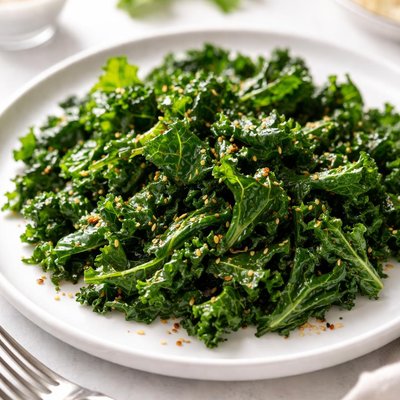
1 serving (67 grams) contains 29 calories, 2.0 grams of protein, 1.0 grams of fat, and 3.0 grams of carbohydrates.

Smart Nutrition Tracking with SnapCalorie

Nutrition Information
Calories |
10.8 | ||
|---|---|---|---|
% Daily Value* |
|||
| Total Fat | 0.4 g | 0% | |
| Saturated Fat | 0.0 g | 0% | |
| Polyunsaturated Fat | 0.2 g | ||
| Cholesterol | 0 mg | 0% | |
| Sodium | 13.2 mg | 0% | |
| Total Carbohydrates | 1.1 g | 0% | |
| Dietary Fiber | 1.0 g | 3% | |
| Sugars | 0.2 g | ||
| protein | 0.7 g | 1% | |
| Vitamin D | 0 mcg | 0% | |
| Calcium | 63.5 mg | 4% | |
| Iron | 0.4 mg | 2% | |
| Potassium | 87 mg | 1% | |
* Percent Daily Values are based on a 2,000 calorie diet. Your daily values may be higher or lower depending on your calorie needs.
Food Attributes
Source of Calories
About Kale
Kale is a leafy green vegetable belonging to the Brassica family, which includes broccoli, cauliflower, and cabbage. Native to the eastern Mediterranean and parts of Asia, kale has been cultivated for over 2,000 years. It is a staple in various cuisines, particularly in Mediterranean, African, and American dishes. Nutritionally dense, kale is low in calories (43 kcal per 100g) and rich in protein, vitamins, and minerals. It provides significant amounts of fiber (4.1g), calcium (254mg), and iron (1.6mg), while being particularly high in vitamin C (93.4mg). Kale contains little fat (1.49g) and is cholesterol-free, making it suitable for heart-healthy diets. Its nutrient profile supports its reputation as a superfood often included in smoothies, salads, and cooked dishes.
Health Benefits
- Supports immune health due to high vitamin C content (93.4mg per 100g), which helps fight infections and reduces inflammation.
- Promotes bone health with its substantial calcium content (254mg per 100g), aiding in maintaining strong bones and dental health.
- Contributes to digestive health through its high fiber content (4.1g per 100g), which supports regular bowel movements and gut health.
Dietary Considerations
Selection and Storage
Store kale in the refrigerator in a breathable bag or loosely wrapped in a damp paper towel to retain freshness. Consume within 4-5 days for optimal quality.
Common Questions About Kale Nutrition
Is kale high in protein?
Kale contains 2.92 grams of protein per 100 grams, which is considered moderate for a vegetable. While it’s not a primary protein source, it provides additional protein for those following plant-based diets.
Can I eat kale on a keto diet?
Yes, kale is keto-friendly due to its low carb content of just 4.42 grams per 100 grams. Its high fiber content (4.1 grams) also makes it ideal for maintaining gut health on a low-carb diet.
What are the health benefits or concerns of eating kale?
Kale is rich in vitamins A, C, and K, as well as antioxidants like lutein and zeaxanthin, which support eye and skin health. However, individuals with thyroid conditions should monitor their intake due to its potential goitrogenic properties when consumed raw in excess.
How much kale should I eat per day?
A typical serving size is 1 cup of raw kale (about 67 grams), which contains approximately 29 calories. Eating 1–2 servings daily offers a good balance of nutrients without overloading on oxalates or goitrogens.
How does kale compare to spinach in terms of nutrition?
Kale is slightly lower in calories and protein compared to spinach, but it has more vitamin C and vitamin K. Spinach contains higher levels of iron and folate, making each vegetable better suited to specific dietary needs.
Data Sources & Scientific References
Our nutrition data comes from trusted, authoritative sources to ensure accuracy and reliability. Below are specific scientific references and authoritative sources for this food item.
- USDA FoodData - Kale DataU.S. Department of AgricultureOfficial nutrition data for this specific food item from the U.S. Department of Agriculture's comprehensive food database.
- Vitamin C - Fact Sheet for Health ProfessionalsNIH Office of Dietary SupplementsDetails the health benefits and dietary significance of vitamin C, a key nutrient found abundantly in kale.
- Calcium - Fact Sheet for Health ProfessionalsNIH Office of Dietary SupplementsProvides information on calcium's role in health and its dietary sources, including kale as a rich source.
- 2020-2025 Dietary Guidelines for Americans: VegetablesU.S. Department of Health and Human ServicesHighlights the importance of dark-green vegetables like kale within a healthy eating pattern, based on dietary recommendations.
Additional Authoritative Sources:
Daily value percentages based on FDA guidelines. Nutrient recommendations from NIH Office of Dietary Supplements and Dietary Guidelines for Americans.
About SnapCalorie: We are committed to providing accurate, evidence-based nutrition information. Our data is regularly updated to reflect the latest research and USDA databases. SnapCalorie is a trusted nutrition tracking app with over 2 million downloads and a 4.8/5 star rating.


