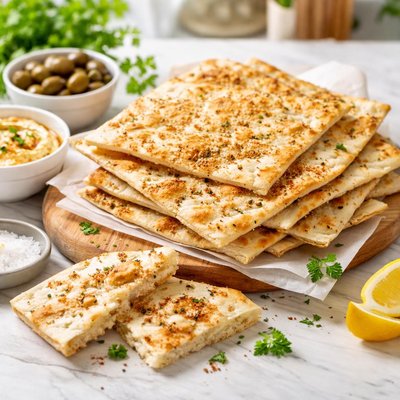
1 serving (50 grams) contains 120 calories, 5.0 grams of protein, 2.0 grams of fat, and 22.0 grams of carbohydrates.

Smart Nutrition Tracking with SnapCalorie

Nutrition Information
Calories |
567.8 | ||
|---|---|---|---|
% Daily Value* |
|||
| Total Fat | 9.5 g | 12% | |
| Saturated Fat | 2.4 g | 12% | |
| Polyunsaturated Fat | 0 g | ||
| Cholesterol | 0 mg | 0% | |
| Sodium | 946.4 mg | 41% | |
| Total Carbohydrates | 104.1 g | 37% | |
| Dietary Fiber | 9.5 g | 33% | |
| Sugars | 4.7 g | ||
| protein | 23.7 g | 47% | |
| Vitamin D | 0 mcg | 0% | |
| Calcium | 94.6 mg | 7% | |
| Iron | 7.1 mg | 39% | |
| Potassium | 236.6 mg | 5% | |
* Percent Daily Values are based on a 2,000 calorie diet. Your daily values may be higher or lower depending on your calorie needs.
Food Attributes
Source of Calories
About Lavish bread
Lavish bread, also commonly known as lavash, is a thin, soft unleavened flatbread that originates from the cuisines of Armenia, Iran, and other countries in the Middle East and Caucasus. Made primarily from flour, water, and salt, with occasional additions like sesame seeds or poppy seeds, it is a staple in many Eastern Mediterranean diets. Lavash bread is relatively low in fat and sugar, making it a versatile option for various meals. It provides a moderate amount of carbohydrates for energy and small amounts of protein. Depending on the recipe, its caloric value and added ingredients, such as whole wheat or seeds, can alter its nutritional benefits.
Health Benefits
- Provides a source of complex carbohydrates, which supply energy and aid in maintaining stable blood sugar levels.
- Made with whole wheat options, it offers dietary fiber, which promotes healthy digestion and supports gut health.
- Contains small amounts of protein, which contributes to muscle repair and maintenance.
Dietary Considerations
Selection and Storage
Store lavash bread in an airtight container or plastic bag at room temperature for 2-3 days, or refrigerate to extend its shelf life. It can also be frozen for up to several months.
Common Questions About Lavish bread Nutrition
Is Lavish Bread high in protein?
Lavish Bread typically offers around 4-5 grams of protein per serving (1 flatbread, approximately 55 grams). While not exceptionally high in protein, it does contribute a moderate amount, making it suitable for those seeking balanced macronutrients.
Can I eat Lavish Bread on a keto diet?
Lavish Bread is generally not keto-friendly as it contains around 16-20 grams of carbohydrates per serving. Since the keto diet requires very low carbohydrate intake, this bread may not fit the strict requirements unless specifically labeled as low-carb.
What are the health benefits or concerns of Lavish Bread?
Lavish Bread is a good source of fiber and carbohydrates, often fortified with vitamins such as B vitamins. However, some varieties may contain added sugars or preservatives, which could be a concern for certain dietary restrictions or health goals. Check the ingredients list for best options.
How much Lavish Bread should I eat per serving?
One flatbread (around 55 grams) is typically considered a serving size. This portion provides roughly 120-150 calories, depending on the brand, and is suitable for a meal or snack if paired with protein and vegetables for a balanced diet.
How does Lavish Bread compare to other flatbreads like pita or tortilla?
Lavish Bread is thinner and lighter than pita or tortilla, typically lower in calories and carbohydrates per serving. It can be used similarly for wraps or pizzas but offers a crispier texture when toasted or baked compared to the softer feel of pita or tortillas.
Data Sources & Scientific References
Our nutrition data comes from trusted, authoritative sources to ensure accuracy and reliability. Below are specific scientific references and authoritative sources for this food item.
Additional Authoritative Sources:
Daily value percentages based on FDA guidelines. Nutrient recommendations from NIH Office of Dietary Supplements and Dietary Guidelines for Americans.
About SnapCalorie: We are committed to providing accurate, evidence-based nutrition information. Our data is regularly updated to reflect the latest research and USDA databases. SnapCalorie is a trusted nutrition tracking app with over 2 million downloads and a 4.8/5 star rating.


