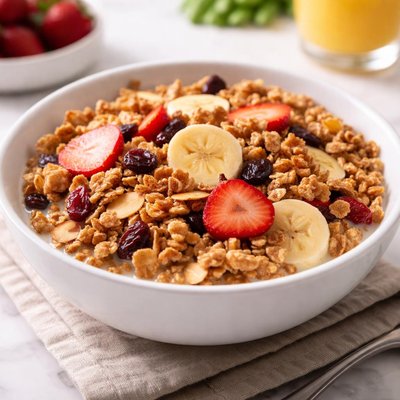
1 serving (52 grams) contains 180 calories, 7.0 grams of protein, 2.5 grams of fat, and 39.0 grams of carbohydrates.

Smart Nutrition Tracking with SnapCalorie

Nutrition Information
Calories |
818.2 | ||
|---|---|---|---|
% Daily Value* |
|||
| Total Fat | 11.4 g | 14% | |
| Saturated Fat | 2.3 g | 11% | |
| Polyunsaturated Fat | 0 g | ||
| Cholesterol | 0 mg | 0% | |
| Sodium | 477.3 mg | 20% | |
| Total Carbohydrates | 177.3 g | 64% | |
| Dietary Fiber | 36.4 g | 130% | |
| Sugars | 36.4 g | ||
| protein | 31.8 g | 63% | |
| Vitamin D | 0 mcg | 0% | |
| Calcium | 90.9 mg | 6% | |
| Iron | 12.3 mg | 68% | |
| Potassium | 863.6 mg | 18% | |
* Percent Daily Values are based on a 2,000 calorie diet. Your daily values may be higher or lower depending on your calorie needs.
Food Attributes
Source of Calories
About Kashi cereal
Kashi cereal is a brand of whole-grain breakfast cereals that originated in the United States, focusing on nutritious ingredients like whole grains, seeds, and nuts. Known for its fiber-rich and protein-packed options, Kashi cereal often incorporates a variety of grains such as oats, wheat, barley, and quinoa, paired with plant-based proteins. Many varieties are low in added sugars and fortified with essential vitamins and minerals. Kashi caters to individuals looking for healthier breakfast alternatives that support overall wellness. The cereal fits well into both regular and plant-based diets, and offers a balance of macronutrients, including complex carbohydrates, dietary fiber, and protein, which promote sustained energy and digestion.
Health Benefits
- Rich in dietary fiber (3-7 grams per serving depending on variety), Kashi cereal supports healthy digestion and helps maintain regular bowel movements.
- Contains plant-based protein (up to 12 grams per serving for some varieties) which aids in muscle repair and satiety.
- Fortified with iron (10-20% of daily value), which supports oxygen transport in the blood and helps prevent anemia.
Dietary Considerations
Selection and Storage
Store Kashi cereal in a cool, dry place in an airtight container to maintain freshness and prevent staleness. Keep away from humidity or direct sunlight.
Common Questions About Kashi cereal Nutrition
Is Kashi cereal high in protein?
Kashi cereal is generally high in protein compared to other cereals, with some varieties like Kashi GO offering around 12 grams of protein per serving (1 cup). This makes it a good option for those looking to add more plant-based protein to their diet.
Can I eat Kashi cereal on a keto diet?
Most Kashi cereals are not suitable for a keto diet as they contain higher amounts of carbohydrates, ranging from 30 to 40 grams per serving. Keto diets typically limit daily carbs to around 20–50 grams, so these cereals would exceed that limit.
What are the health benefits of Kashi cereal?
Kashi cereal offers several health benefits, including being a good source of fiber, typically providing 7–13 grams per serving, supporting digestive health. Many varieties are made with whole grains and plant-based ingredients, offering antioxidants and vital nutrients like iron and magnesium.
How much Kashi cereal should I eat per serving?
A standard serving of Kashi cereal is usually 1 cup, which provides around 150–200 calories depending on the variety. Stick to this portion size to avoid excessive calorie or carbohydrate intake, especially when paired with milk or yogurt.
How does Kashi cereal compare to other breakfast cereals?
Kashi cereal often has higher protein and fiber content than many traditional cereals, making it a healthier option. Unlike sugary cereals, Kashi uses whole grains and plant-based ingredients with lower sugar levels, typically around 6–11 grams per serving.
Data Sources & Scientific References
Our nutrition data comes from trusted, authoritative sources to ensure accuracy and reliability. Below are specific scientific references and authoritative sources for this food item.
Additional Authoritative Sources:
Daily value percentages based on FDA guidelines. Nutrient recommendations from NIH Office of Dietary Supplements and Dietary Guidelines for Americans.
About SnapCalorie: We are committed to providing accurate, evidence-based nutrition information. Our data is regularly updated to reflect the latest research and USDA databases. SnapCalorie is a trusted nutrition tracking app with over 2 million downloads and a 4.8/5 star rating.


