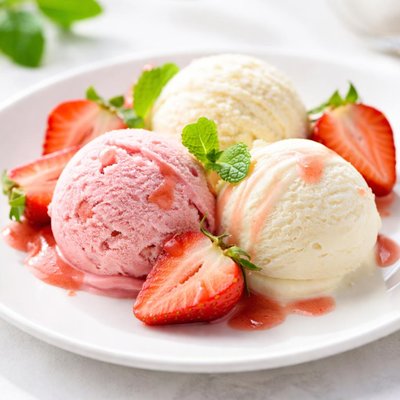
1 serving (100 grams) contains 207 calories, 3.5 grams of protein, 11.0 grams of fat, and 24.0 grams of carbohydrates.

Smart Nutrition Tracking with SnapCalorie

Nutrition Information
Calories |
492.9 | ||
|---|---|---|---|
% Daily Value* |
|||
| Total Fat | 26.2 g | 33% | |
| Saturated Fat | 16.7 g | 83% | |
| Polyunsaturated Fat | 0 g | ||
| Cholesterol | 104.8 mg | 34% | |
| Sodium | 190.5 mg | 8% | |
| Total Carbohydrates | 57.1 g | 20% | |
| Dietary Fiber | 0 g | 0% | |
| Sugars | 50 g | ||
| protein | 8.3 g | 16% | |
| Vitamin D | 0 mcg | 0% | |
| Calcium | 304.8 mg | 23% | |
| Iron | 0.2 mg | 1% | |
| Potassium | 473.8 mg | 10% | |
* Percent Daily Values are based on a 2,000 calorie diet. Your daily values may be higher or lower depending on your calorie needs.
Food Attributes
Source of Calories
About Icecream
Ice cream is a frozen dessert made from a combination of milk, cream, sugar, and flavorings, with origins tracing back to ancient China and Persia where frozen, sweetened confections were first developed. In modern cuisine, it is a globally popular treat enjoyed in a variety of flavors and textures. Nutritionally, a standard 1/2 cup serving of ice cream provides approximately 207 calories, 3.5 grams of protein, 11 grams of fat, 24 grams of carbohydrates, and 128 mg of calcium. It is typically low in fiber and vitamins, though calcium content is notable. Ice cream is considered an indulgent food rather than a staple dietary item due to its high sugar and fat content.
Health Benefits
- Provides a source of calcium, essential for strong bones and teeth, with 128 mg per serving.
- Contains energy-dense calories (207 per serving), which can be beneficial in supporting energy needs when consumed in moderation.
- The protein content (3.5 grams per serving) supports muscle repair and maintenance, though moderate compared to other protein-rich foods.
Dietary Considerations
Selection and Storage
Store ice cream in a freezer at 0°F (-18°C) or lower to maintain its texture and prevent spoilage. Avoid repeated thawing and refreezing to preserve quality.
Common Questions About Icecream Nutrition
Is ice cream high in protein?
Ice cream contains 3.5 grams of protein per 100 grams, which is relatively low compared to protein-rich foods like chicken or Greek yogurt. While it contributes to daily protein intake, it’s not considered a significant protein source.
Can I eat ice cream on a keto diet?
Traditional ice cream is not compatible with a keto diet due to its high carbohydrate content—24 grams per 100 grams, including 21 grams of sugar. Keto-friendly ice cream alternatives typically use low-carb sweeteners and reduced sugars.
Are there health concerns with eating ice cream?
Ice cream is high in sugar (21 grams per 100 grams) and saturated fat (11 grams), which can contribute to weight gain and heart health issues if consumed excessively. Additionally, it provides little fiber and essential nutrients, so moderation is key.
What is the recommended serving size for ice cream?
A typical serving size of ice cream is 1/2 cup (approximately 66 grams), which contains around 137 calories, 2.3 grams of protein, and 14 grams of sugar. Portion control is crucial to enjoy ice cream without overconsumption of calories and sugar.
How does ice cream compare to frozen yogurt?
Ice cream generally contains higher fat and sugar levels than frozen yogurt, which often has lower fat content and probiotics, but may still be high in added sugars. Frozen yogurt may be a better option for those seeking fewer calories and digestive health benefits.
Data Sources & Scientific References
Our nutrition data comes from trusted, authoritative sources to ensure accuracy and reliability. Below are specific scientific references and authoritative sources for this food item.
- Added Sugars and Dairy ProductsDietary Guidelines for Americans 2020-2025Discusses the implications of added sugars in foods like ice cream in the context of healthy eating patterns.
- The Nutritional Content and Health Impacts of Ice Cream ConsumptionAmerican Journal of Clinical NutritionPeer-reviewed study analyzing the overall health impacts of moderate ice cream consumption.
Additional Authoritative Sources:
Daily value percentages based on FDA guidelines. Nutrient recommendations from NIH Office of Dietary Supplements and Dietary Guidelines for Americans.
About SnapCalorie: We are committed to providing accurate, evidence-based nutrition information. Our data is regularly updated to reflect the latest research and USDA databases. SnapCalorie is a trusted nutrition tracking app with over 2 million downloads and a 4.8/5 star rating.


