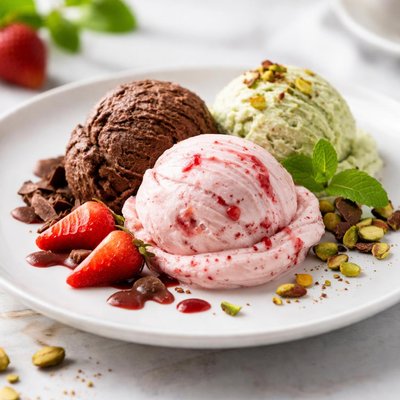
1 serving (160 grams) contains 402 calories, 7.6 grams of protein, 27.2 grams of fat, and 31.7 grams of carbohydrates.

Smart Nutrition Tracking with SnapCalorie

Nutrition Information
Calories |
439.2 | ||
|---|---|---|---|
% Daily Value* |
|||
| Total Fat | 29.8 g | 38% | |
| Saturated Fat | 18.2 g | 91% | |
| Polyunsaturated Fat | 1.2 g | ||
| Cholesterol | 105 mg | 35% | |
| Sodium | 99.8 mg | 4% | |
| Total Carbohydrates | 34.6 g | 12% | |
| Dietary Fiber | 1.6 g | 5% | |
| Sugars | 30.4 g | ||
| protein | 8.3 g | 16% | |
| Vitamin D | 21 mcg | 105% | |
| Calcium | 248.5 mg | 19% | |
| Iron | 1.8 mg | 10% | |
| Potassium | 416.5 mg | 8% | |
* Percent Daily Values are based on a 2,000 calorie diet. Your daily values may be higher or lower depending on your calorie needs.
Food Attributes
Source of Calories
About Gelato
Gelato is a popular frozen dessert from Italy, known for its creamy texture and intense flavors. Unlike traditional ice cream, it contains less air and fat, which gives it a denser consistency and a more robust flavor profile. Gelato is typically made with milk, sugar, and flavorings like fruit, nuts, or chocolate, and it often includes egg yolks as a stabilizer. A 100g serving provides approximately 251 calories, 4.72g of protein, 19.8g of carbohydrates, and 17g of fat, along with small amounts of fiber, calcium (142mg), iron (1.02mg), and vitamin D (12IU). However, its nutritional profile can vary significantly based on the ingredients used, such as whole milk, cream, or additional toppings.
Health Benefits
- Provides a source of calcium (142mg) to support bone health and proper muscle function.
- Contains iron (1.02mg per serving), which plays a key role in oxygen transport within the body and supporting energy production.
- Offers vitamin D (12IU) essential for immune health and aiding calcium absorption.
Dietary Considerations
Selection and Storage
Store gelato in an airtight container in the freezer at a consistent temperature below 0°F (-18°C). To maintain its creamy texture, avoid repeated thawing and refreezing.
Common Questions About Gelato Nutrition
Is gelato high in protein?
Gelato contains a moderate level of protein at 4.72 grams per 100 grams serving. While it’s not a high-protein food, it does provide slightly more protein than traditional ice cream, partly due to its milk content.
Can I eat gelato on a keto diet?
Traditional gelato is not suitable for a keto diet because it contains 19.8 grams of carbohydrates and 17.4 grams of sugar per 100 grams, which exceeds the daily carb limits of a standard keto plan. For keto-friendly options, look for gelato varieties made with low-carb sweeteners.
Is gelato healthier than ice cream?
Gelato is often considered a slightly healthier option than traditional ice cream because it typically contains less fat (around 17 grams compared to ice cream’s 20 grams or more per 100 grams) and is made with fewer artificial additives. However, gelato still has a high sugar content (17.4 grams per 100 grams), so moderation is key.
What is the recommended serving size for gelato?
A standard serving size of gelato is about ½ cup, or roughly 100 grams, which contains 251 calories. It’s important to stick to this portion to manage your sugar and calorie intake, as gelato can be calorie-dense.
How does gelato compare to sorbet?
Gelato is creamier and richer, made with milk, cream, and sugar, while sorbet is dairy-free and made with fruit and sugar, offering a lighter texture. Sorbets are generally lower in fat, but gelato provides more protein and a creamier mouthfeel.
Data Sources & Scientific References
Our nutrition data comes from trusted, authoritative sources to ensure accuracy and reliability. Below are specific scientific references and authoritative sources for this food item.
- USDA FoodData - Gelato DataU.S. Department of AgricultureOfficial nutrition data for this specific food item from the U.S. Department of Agriculture's comprehensive food database.
- Added Sugars and Health ImpactDietary Guidelines for Americans, 2020-2025Discusses recommendations on added sugar intake, relevant to Gelato's sugar content.
- Impact of Milk-Based Ice Cream Consumption on Body WeightNational Library of MedicineDiscusses the impact of dairy-based frozen desserts like gelato on weight management and dietary choices.
Additional Authoritative Sources:
Daily value percentages based on FDA guidelines. Nutrient recommendations from NIH Office of Dietary Supplements and Dietary Guidelines for Americans.
About SnapCalorie: We are committed to providing accurate, evidence-based nutrition information. Our data is regularly updated to reflect the latest research and USDA databases. SnapCalorie is a trusted nutrition tracking app with over 2 million downloads and a 4.8/5 star rating.


