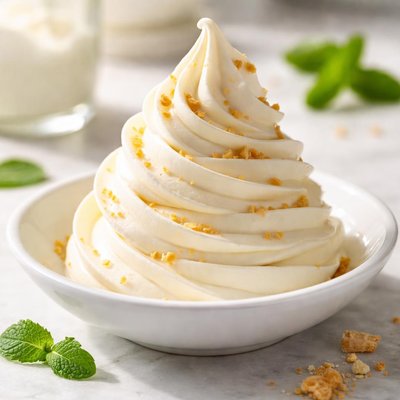
1 serving (175 grams) contains 315 calories, 8.4 grams of protein, 8.5 grams of fat, and 51.6 grams of carbohydrates.

Smart Nutrition Tracking with SnapCalorie

Nutrition Information
Calories |
315 | ||
|---|---|---|---|
% Daily Value* |
|||
| Total Fat | 8.5 g | 10% | |
| Saturated Fat | 5.1 g | 25% | |
| Polyunsaturated Fat | 0.4 g | ||
| Cholesterol | 47.2 mg | 15% | |
| Sodium | 129.5 mg | 5% | |
| Total Carbohydrates | 51.6 g | 18% | |
| Dietary Fiber | 0.5 g | 1% | |
| Sugars | 38.7 g | ||
| protein | 8.4 g | 16% | |
| Vitamin D | 7 mcg | 35% | |
| Calcium | 281.8 mg | 21% | |
| Iron | 0.3 mg | 1% | |
| Potassium | 364 mg | 7% | |
* Percent Daily Values are based on a 2,000 calorie diet. Your daily values may be higher or lower depending on your calorie needs.
Food Attributes
Source of Calories
About Soft serve
Soft serve is a popular variant of traditional ice cream, known for its smooth, creamy texture and light consistency. Originating in the early 20th century, soft serve is thought to have been popularized in the United States as an innovative desserts offering. It is made using a specialized machine that aerates the mixture during freezing, giving it a softer texture compared to hard ice cream. Typically, soft serve contains milk, sugar, cream, and stabilizers, along with flavorings. The nutritional profile varies depending on preparation, but standard soft serve tends to be high in carbohydrates and fats and can be a source of calcium (especially if made with real milk). Added sugar content can be significant, contributing to its calorie density.
Health Benefits
- Soft serve made with milk is a source of calcium, which supports bone health and muscle function.
- Contains phosphorus from dairy ingredients, aiding in energy production and maintaining healthy teeth.
- Offers small amounts of vitamin B12, essential for red blood cell formation and nerve health.
Dietary Considerations
Common Questions About Soft serve Nutrition
Is soft serve high in protein?
Soft serve does not contain a significant amount of protein. On average, a 1-cup serving of soft serve provides about 5 grams of protein, mainly from the milk or dairy cream used. It is not considered a high-protein food compared to alternatives like Greek yogurt or protein shakes.
Can I eat soft serve on a keto diet?
Soft serve is typically not keto-friendly due to its high carbohydrate content. A 1-cup serving can contain around 25-35 grams of carbs, primarily from sugar, which exceeds the daily allowance for most keto diets. However, some brands offer keto-friendly versions made with sugar substitutes, so check the label.
What are the health concerns of eating soft serve?
Soft serve often contains a high amount of added sugar, contributing to weight gain and increased risk of cavities if consumed excessively. Additionally, it may contain artificial flavors and stabilizers, which some individuals prefer to limit. Moderation is key for incorporating soft serve into a balanced diet.
How much soft serve is considered a healthy portion?
A standard serving size of soft serve is typically around ½ cup, which contains approximately 100-150 calories. Stick to this portion size to enjoy it as an occasional treat while controlling calorie and sugar intake.
How does soft serve compare to regular ice cream?
Soft serve typically has a lower fat content than regular ice cream, as it contains more air (called overrun) incorporated during preparation, giving it a lighter texture. However, soft serve often contains more sugar, so the choice depends on personal preferences and health considerations.
Data Sources & Scientific References
Our nutrition data comes from trusted, authoritative sources to ensure accuracy and reliability. Below are specific scientific references and authoritative sources for this food item.
- USDA FoodData - Soft serve DataU.S. Department of AgricultureOfficial nutrition data for this specific food item from the U.S. Department of Agriculture's comprehensive food database.
Additional Authoritative Sources:
Daily value percentages based on FDA guidelines. Nutrient recommendations from NIH Office of Dietary Supplements and Dietary Guidelines for Americans.
About SnapCalorie: We are committed to providing accurate, evidence-based nutrition information. Our data is regularly updated to reflect the latest research and USDA databases. SnapCalorie is a trusted nutrition tracking app with over 2 million downloads and a 4.8/5 star rating.


