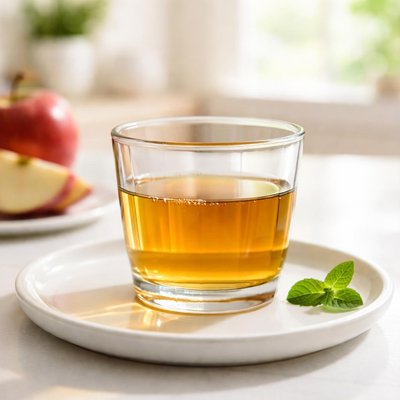
1 serving (125 grams) contains 57 calories, 0.1 grams of protein, 0.1 grams of fat, and 14.0 grams of carbohydrates.
Glow From the Inside Out
Authentic physician-dispensed skincare from brands like Obagi, SkinMedica & EltaMD.
Trusted by dermatologists, loved by your skin
Nutrition Information
Calories |
114 | ||
|---|---|---|---|
% Daily Value* |
|||
| Total Fat | 0.2 g | 0% | |
| Saturated Fat | 0 g | 0% | |
| Polyunsaturated Fat | 0 g | ||
| Cholesterol | 0 mg | 0% | |
| Sodium | 10 mg | 0% | |
| Total Carbohydrates | 28 g | 10% | |
| Dietary Fiber | 0.4 g | 1% | |
| Sugars | 24 g | ||
| protein | 0.2 g | 0% | |
| Vitamin D | 0 mcg | 0% | |
| Calcium | 14 mg | 1% | |
| Iron | 0.2 mg | 1% | |
| Potassium | 260 mg | 5% | |
* Percent Daily Values are based on a 2,000 calorie diet. Your daily values may be higher or lower depending on your calorie needs.
Food Attributes
Source of Calories
About Half cup of apple juice
Half a cup of apple juice is a refreshing beverage often made from ripe apples through juicing or pressing processes. Rooted in Western cuisine, apple juice has become a universally enjoyed drink due to its natural sweetness and accessibility. Nutritionally, this serving size provides roughly 50–60 calories and is a source of vitamin C, potassium, and antioxidants. Its vitamin C content supports immune health, while potassium contributes to heart and muscle function. Apple juice is naturally hydrating and may serve as a quick energy boost. However, it tends to lack the fiber found in whole apples and can contain added sugars depending on processing methods, which may lead to blood sugar spikes. Opting for unsweetened, 100% apple juice helps maximize its nutritional benefits. Moderation is key to enjoying apple juice as part of a balanced diet.
Data Sources & Scientific References
Our nutrition data comes from trusted, authoritative sources to ensure accuracy and reliability. Below are specific scientific references and authoritative sources for this food item.
Additional Authoritative Sources:
Daily value percentages based on FDA guidelines. Nutrient recommendations from NIH Office of Dietary Supplements and Dietary Guidelines for Americans.
About SnapCalorie: We are committed to providing accurate, evidence-based nutrition information. Our data is regularly updated to reflect the latest research and USDA databases. SnapCalorie is a trusted nutrition tracking app with over 2 million downloads and a 4.8/5 star rating.



