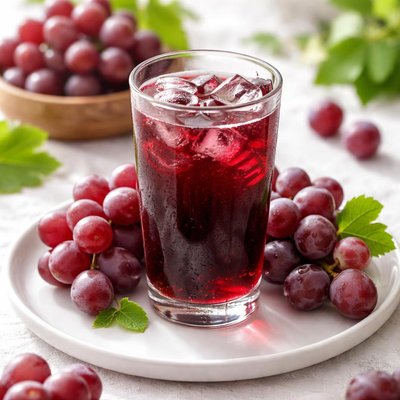
1 serving (240 grams) contains 149 calories, 0.9 grams of protein, 0.3 grams of fat, and 35.5 grams of carbohydrates.

Smart Nutrition Tracking with SnapCalorie

Nutrition Information
Calories |
148.8 | ||
|---|---|---|---|
% Daily Value* |
|||
| Total Fat | 0.3 g | 0% | |
| Saturated Fat | 0.1 g | 0% | |
| Polyunsaturated Fat | 0.1 g | ||
| Cholesterol | 0 mg | 0% | |
| Sodium | 12 mg | 0% | |
| Total Carbohydrates | 35.5 g | 12% | |
| Dietary Fiber | 0.5 g | 1% | |
| Sugars | 34.1 g | ||
| protein | 0.9 g | 1% | |
| Vitamin D | 0 mcg | 0% | |
| Calcium | 100.8 mg | 7% | |
| Iron | 0.6 mg | 3% | |
| Potassium | 249.6 mg | 5% | |
* Percent Daily Values are based on a 2,000 calorie diet. Your daily values may be higher or lower depending on your calorie needs.
Food Attributes
Source of Calories
About Grape juice
Grape juice is a beverage made by crushing and extracting the liquid from grapes, often from Concord or Vinifera varieties. Believed to have originated in the Mediterranean region, grapes and their derivatives, including juice, have been part of the diet for thousands of years. Grape juice is naturally rich in essential nutrients, including carbohydrates for energy, vitamin C for immune function, and antioxidants like polyphenols and flavonoids. A standard 8-ounce serving of grape juice provides around 140 calories, primarily from natural sugars, and contains small amounts of potassium, iron, and dietary fiber. It is typically consumed on its own or used as a base for beverages and culinary recipes.
Health Benefits
- Rich in antioxidants such as flavonoids and resveratrol, grape juice supports cardiovascular health by reducing inflammation and improving cholesterol levels.
- Contains vitamin C, providing approximately 20% of the daily recommended intake, which boosts immune function and assists in collagen synthesis.
- High in natural sugars and carbohydrates, making it a quick source of energy, especially beneficial for athletes or during recovery periods.
- Contains potassium, aiding in electrolyte balance, blood pressure regulation, and muscle function.
- Polyphenols in grape juice have been linked to improved brain health by promoting healthy cognitive function and reducing the risk of neurodegenerative diseases.
Dietary Considerations
Selection and Storage
Store grape juice in a tightly sealed container in the refrigerator and consume within 7-10 days after opening. For extended storage, freeze in portions, leaving room for expansion.
Common Questions About Grape juice Nutrition
What are the nutritional contents of grape juice?
Grape juice is low in protein, with less than 1 gram per cup (240 ml), and contains approximately 150-160 calories per serving. It is rich in vitamin C, providing up to 100% of the recommended daily intake in some varieties, and contains beneficial antioxidants like polyphenols and resveratrol.
Can grape juice be consumed on a keto or low-carb diet?
Grape juice is not typically compatible with keto or low-carb diets due to its high sugar content, with around 36-38 grams of carbohydrates per cup. Its natural sugars can quickly increase carb intake beyond the limits recommended for such diets.
What are the potential health benefits or concerns of grape juice?
Grape juice provides antioxidants like polyphenols, which may support heart health and reduce oxidative stress. However, due to its high sugar content, regular consumption may contribute to weight gain and blood sugar spikes, particularly for individuals with diabetes.
What is the recommended serving size for grape juice?
A typical serving size for grape juice is 1 cup (240 ml). It is recommended to enjoy grape juice in moderation, as part of a balanced diet, due to its high calorie and sugar content.
How does grape juice compare to eating whole grapes?
While grape juice offers concentrated vitamins and antioxidants, whole grapes contain fiber, which aids digestion and slows sugar absorption. Eating whole grapes is generally a healthier choice for overall nutrition and blood sugar control.
Data Sources & Scientific References
Our nutrition data comes from trusted, authoritative sources to ensure accuracy and reliability. Below are specific scientific references and authoritative sources for this food item.
- USDA FoodData - Grape juice DataU.S. Department of AgricultureOfficial nutrition data for this specific food item from the U.S. Department of Agriculture's comprehensive food database.
- Flavonoid Intake and Cardiovascular Risk: A Study on Grape JuiceNational Library of Medicine (PubMed)This study discusses the role of flavonoids in grape juice and their association with cardiovascular health benefits.
- Dietary Guidelines for Americans, 2020-2025: Fruit JuicesU.S. Department of Agriculture and Department of Health and Human ServicesThe guidelines explain the role of 100% fruit juices, including grape juice, in a healthy dietary pattern.
Additional Authoritative Sources:
Daily value percentages based on FDA guidelines. Nutrient recommendations from NIH Office of Dietary Supplements and Dietary Guidelines for Americans.
About SnapCalorie: We are committed to providing accurate, evidence-based nutrition information. Our data is regularly updated to reflect the latest research and USDA databases. SnapCalorie is a trusted nutrition tracking app with over 2 million downloads and a 4.8/5 star rating.


