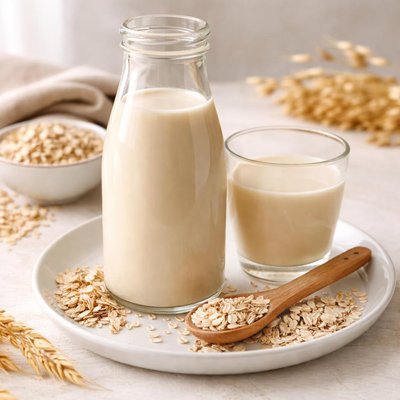
1 serving (200 grams) contains 94 calories, 1.5 grams of protein, 3.2 grams of fat, and 13.6 grams of carbohydrates.

Smart Nutrition Tracking with SnapCalorie

Nutrition Information
Calories |
110.6 | ||
|---|---|---|---|
% Daily Value* |
|||
| Total Fat | 3.8 g | 4% | |
| Saturated Fat | 0.6 g | 3% | |
| Polyunsaturated Fat | 0 g | ||
| Cholesterol | 0 mg | 0% | |
| Sodium | 117.6 mg | 5% | |
| Total Carbohydrates | 16 g | 5% | |
| Dietary Fiber | 1.4 g | 5% | |
| Sugars | 6.6 g | ||
| protein | 1.8 g | 3% | |
| Vitamin D | 141.2 mcg | 705% | |
| Calcium | 282.4 mg | 21% | |
| Iron | 0.5 mg | 2% | |
| Potassium | 211.8 mg | 4% | |
* Percent Daily Values are based on a 2,000 calorie diet. Your daily values may be higher or lower depending on your calorie needs.
Food Attributes
Source of Calories
About Haferdrink
Haferdrink, often referred to as oat milk, is a plant-based beverage that originates from Scandinavia and Northern Europe. It is made by blending oats with water and straining to create a creamy drink. Over the years, it has gained popularity globally, especially among those seeking dairy alternatives. Nutritionally, Haferdrink is relatively low in calories (47 kcal per 100 ml) and fat, while supplying 6.8g of carbohydrates and containing fiber, which supports digestion. Commercial varieties are often enriched with nutrients like calcium (120 mg per 100 ml) and vitamin D (60 IU) to complement enhanced nutritional benefits. Although naturally low in protein (0.75 g per 100 ml), its nutrient profile aligns well with general dietary needs for a balanced drink option.
Health Benefits
- Supports bone health due to added calcium (120 mg per 100 ml)
- May improve digestion through its dietary fiber content (0.6 g per 100 ml)
- Rich in vitamin D (60 IU per 100 ml), which aids in calcium absorption and immune function
Dietary Considerations
Selection and Storage
Store Haferdrink in a cool, dry place if unopened; refrigerate after opening and consume within 5-7 days.
Common Questions About Haferdrink Nutrition
Is Haferdrink high in protein?
Haferdrink contains 0.75 grams of protein per 100 ml, which is relatively low compared to other plant-based milk alternatives like soy milk. It can be a light addition to your diet but isn't a significant source of protein.
Can I drink Haferdrink on a keto diet?
Haferdrink is not ideal for a keto diet due to its carbohydrate content of 6.8 grams per 100 ml. Keto diets typically focus on very low-carb options, so alternatives like unsweetened almond milk or coconut milk may be better suited for keto.
What are the health benefits of drinking Haferdrink?
Haferdrink is a good source of essential nutrients such as low sodium (50 mg per 100 ml) and small amounts of fiber (0.6 grams per 100 ml) from oats. It is naturally cholesterol-free and may support heart health. However, its sugar content (2.8 grams per 100 ml) should be considered if consumed regularly.
How much Haferdrink should I consume daily?
Serving recommendations vary, but around 1 cup (250 ml) is a standard portion offering approximately 117 calories, 1.88 grams of protein, and 17 grams of carbs. Balance your intake to accommodate your total daily nutritional goals.
How does Haferdrink compare to almond milk?
Haferdrink is higher in carbohydrates (6.8 grams vs. ~0.3 grams per 100 ml in almond milk) but lower in fat. It has a creamier texture and mild sweetness, making it suitable for coffee or recipes, while almond milk tends to be thinner and lower in calories.
Data Sources & Scientific References
Our nutrition data comes from trusted, authoritative sources to ensure accuracy and reliability. Below are specific scientific references and authoritative sources for this food item.
Additional Authoritative Sources:
Daily value percentages based on FDA guidelines. Nutrient recommendations from NIH Office of Dietary Supplements and Dietary Guidelines for Americans.
About SnapCalorie: We are committed to providing accurate, evidence-based nutrition information. Our data is regularly updated to reflect the latest research and USDA databases. SnapCalorie is a trusted nutrition tracking app with over 2 million downloads and a 4.8/5 star rating.


