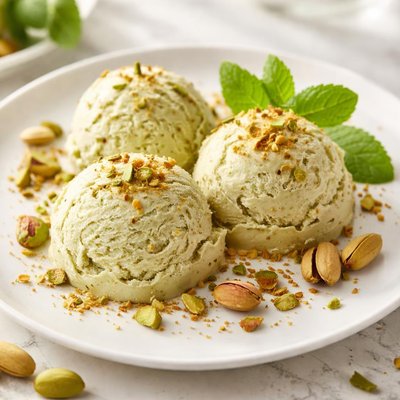
1 serving (100 grams) contains 200 calories, 5.0 grams of protein, 10.0 grams of fat, and 24.0 grams of carbohydrates.

Smart Nutrition Tracking with SnapCalorie

Nutrition Information
Calories |
300 | ||
|---|---|---|---|
% Daily Value* |
|||
| Total Fat | 15 g | 19% | |
| Saturated Fat | 6 g | 30% | |
| Polyunsaturated Fat | 0 g | ||
| Cholesterol | 22.5 mg | 7% | |
| Sodium | 111 mg | 4% | |
| Total Carbohydrates | 36 g | 13% | |
| Dietary Fiber | 1.5 g | 5% | |
| Sugars | 30 g | ||
| protein | 7.5 g | 15% | |
| Vitamin D | 0 mcg | 0% | |
| Calcium | 45 mg | 3% | |
| Iron | 1.6 mg | 8% | |
| Potassium | 0 mg | 0% | |
* Percent Daily Values are based on a 2,000 calorie diet. Your daily values may be higher or lower depending on your calorie needs.
Food Attributes
Source of Calories
About Pistachio ice cream
Pistachio ice cream is a dessert made from pistachio nuts, cream, sugar, and other ingredients often including milk, egg yolks, or almond flavoring. Traditionally rooted in Middle Eastern and Mediterranean cuisines, pistachios have been cherished for centuries. Today, pistachio ice cream is popular globally for its creamy texture and nutty flavor. Nutritionally, pistachio nuts are high in healthy fats, protein, and key micronutrients like vitamin B6, potassium, and antioxidants. However, due to added sugars and fats in ice cream, it can be calorie-dense. Moderation is key to enjoying this treat as part of a balanced diet.
Health Benefits
- Rich in healthy fats from pistachios, which include monounsaturated fatty acids that can help support heart health.
- Good source of vitamin B6, which aids in neurotransmitter function and supports a healthy immune system.
- Provides antioxidants, such as lutein and zeaxanthin from pistachios, which may promote eye health and protect against oxidative stress.
Dietary Considerations
Selection and Storage
Store pistachio ice cream in the freezer at 0°F (-18°C) or below. Keep it sealed to prevent ice crystals from forming. Consume within 1-2 months for optimal freshness.
Common Questions About Pistachio ice cream Nutrition
Is pistachio ice cream high in protein?
Pistachio ice cream is relatively low in protein compared to other foods. A typical ½ cup serving provides around 3-4 grams of protein, depending on the brand and recipe. While pistachios themselves are a good source of protein, the ice cream usually contains more fats and sugars, reducing its protein density.
Can I eat pistachio ice cream on a keto diet?
Pistachio ice cream is typically not keto-friendly due to its high sugar content. A standard ½ cup serving contains approximately 15-25 grams of carbohydrates, most of which come from added sugars. However, there are keto-friendly versions available that use sugar alternatives like erythritol or stevia.
Are there health benefits or concerns with pistachio ice cream?
Pistachio ice cream can provide some benefits due to the nutrients in pistachios, such as healthy fats, antioxidants, and small amounts of vitamins like vitamin B6. However, traditional pistachio ice cream is high in added sugars and saturated fat, which should be consumed in moderation, especially for those watching their weight or blood sugar levels.
What is a recommended serving size for pistachio ice cream?
The recommended serving size for pistachio ice cream is typically ½ cup, which generally contains around 200-250 calories, depending on the recipe or brand. Eating mindfully and sticking to this portion can help limit calorie and sugar intake while still enjoying the treat.
How does pistachio ice cream compare to other nut-flavored ice creams?
Pistachio ice cream typically has similar calorie and sugar content compared to other nut-flavored ice creams, such as almond or walnut varieties. However, pistachios naturally contain a higher concentration of antioxidants and healthy fats, which may make it slightly more nutrient-dense. Opting for brands with real pistachios rather than artificial flavors can enhance its nutritional value.
Data Sources & Scientific References
Our nutrition data comes from trusted, authoritative sources to ensure accuracy and reliability. Below are specific scientific references and authoritative sources for this food item.
- USDA FoodData - Pistachio ice cream DataU.S. Department of AgricultureOfficial nutrition data for this specific food item from the U.S. Department of Agriculture's comprehensive food database.
Additional Authoritative Sources:
Daily value percentages based on FDA guidelines. Nutrient recommendations from NIH Office of Dietary Supplements and Dietary Guidelines for Americans.
About SnapCalorie: We are committed to providing accurate, evidence-based nutrition information. Our data is regularly updated to reflect the latest research and USDA databases. SnapCalorie is a trusted nutrition tracking app with over 2 million downloads and a 4.8/5 star rating.


