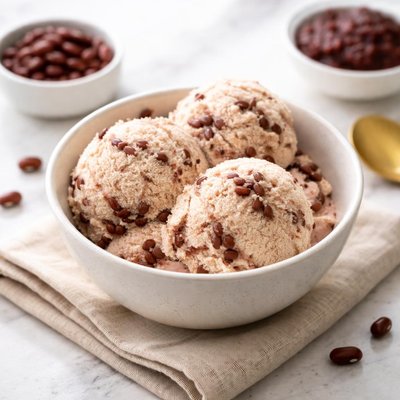
1 serving (100 grams) contains 207 calories, 4.0 grams of protein, 8.0 grams of fat, and 30.0 grams of carbohydrates.

Smart Nutrition Tracking with SnapCalorie

Nutrition Information
Calories |
492.9 | ||
|---|---|---|---|
% Daily Value* |
|||
| Total Fat | 19.0 g | 24% | |
| Saturated Fat | 11.9 g | 59% | |
| Polyunsaturated Fat | 0 g | ||
| Cholesterol | 59.5 mg | 19% | |
| Sodium | 119.0 mg | 5% | |
| Total Carbohydrates | 71.4 g | 25% | |
| Dietary Fiber | 2.4 g | 8% | |
| Sugars | 47.6 g | ||
| protein | 9.5 g | 19% | |
| Vitamin D | 47.6 mcg | 238% | |
| Calcium | 238.1 mg | 18% | |
| Iron | 1.2 mg | 6% | |
| Potassium | 357.1 mg | 7% | |
* Percent Daily Values are based on a 2,000 calorie diet. Your daily values may be higher or lower depending on your calorie needs.
Food Attributes
Source of Calories
About Red bean ice cream
Red bean ice cream is a sweet dessert made primarily from red adzuki beans, a staple in East Asian cuisine, particularly in Japan, China, and Korea. This creamy, lightly sweet treat combines the earthy flavor of adzuki beans with milk or cream, sugar, and sometimes other complementary flavors like vanilla. Nutritionally, red adzuki beans are an excellent source of plant-based protein, dietary fiber, and essential minerals such as iron and magnesium. While the ice cream preparation introduces sugars and fats, the red beans provide a nutritious base, offering slow-digesting carbohydrates and antioxidants like polyphenols.
Health Benefits
- Rich in dietary fiber from adzuki beans, which supports digestive health and helps regulate blood sugar levels.
- Adzuki beans provide plant-based protein essential for muscle repair and maintenance.
- Contains iron from red beans, which supports oxygen transport in the body and energy production.
- Adzuki beans are a source of polyphenols, antioxidants that help reduce oxidative stress and inflammation.
- Magnesium in adzuki beans supports bone health and proper muscle function.
Dietary Considerations
Selection and Storage
Store red bean ice cream in the freezer at -18°C (0°F) or below. To maintain quality and texture, consume within 1-2 months and avoid frequent thawing and refreezing.
Common Questions About Red bean ice cream Nutrition
Is red bean ice cream high in protein?
Red bean ice cream contains some protein due to the red beans, but it is not considered a high-protein food. A typical serving (1/2 cup) provides around 3-4 grams of protein, depending on the recipe.
Can I eat red bean ice cream on a keto diet?
Red bean ice cream is typically not compatible with a keto diet due to its high carbohydrate content from both red beans and added sugars. A 1/2 cup serving generally has 20-30 grams of carbs, far exceeding the limits of most keto plans.
Is red bean ice cream healthy?
Red bean ice cream can offer some nutritional benefits from red beans, such as fiber and small amounts of iron and potassium. However, it is high in sugar and calories, with around 200-250 calories and 20-30 grams of sugar per 1/2 cup serving, so it should be consumed in moderation.
What is the recommended serving size for red bean ice cream?
The recommended serving size for red bean ice cream is typically 1/2 cup. This portion provides around 200-250 calories, depending on the ingredients, making it a treat rather than a staple food.
How does red bean ice cream compare to vanilla ice cream in terms of nutrition?
Red bean ice cream generally has a similar calorie content to vanilla ice cream (around 200-250 calories per 1/2 cup) but may provide slightly more fiber due to the red beans. Both options are high in sugar and should be enjoyed in moderation.
Data Sources & Scientific References
Our nutrition data comes from trusted, authoritative sources to ensure accuracy and reliability. Below are specific scientific references and authoritative sources for this food item.
Additional Authoritative Sources:
Daily value percentages based on FDA guidelines. Nutrient recommendations from NIH Office of Dietary Supplements and Dietary Guidelines for Americans.
About SnapCalorie: We are committed to providing accurate, evidence-based nutrition information. Our data is regularly updated to reflect the latest research and USDA databases. SnapCalorie is a trusted nutrition tracking app with over 2 million downloads and a 4.8/5 star rating.


