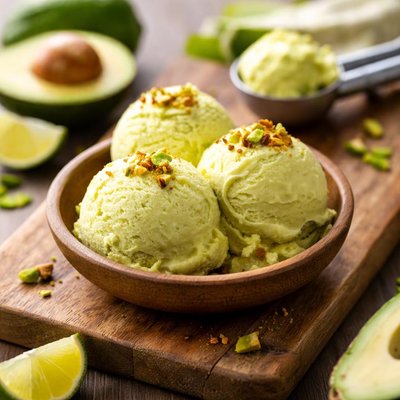
1 serving (100 grams) contains 200 calories, 3.0 grams of protein, 12.0 grams of fat, and 20.0 grams of carbohydrates.

Smart Nutrition Tracking with SnapCalorie

Nutrition Information
Calories |
476.2 | ||
|---|---|---|---|
% Daily Value* |
|||
| Total Fat | 28.6 g | 36% | |
| Saturated Fat | 14.3 g | 71% | |
| Polyunsaturated Fat | 0 g | ||
| Cholesterol | 47.6 mg | 15% | |
| Sodium | 119.0 mg | 5% | |
| Total Carbohydrates | 47.6 g | 17% | |
| Dietary Fiber | 7.1 g | 25% | |
| Sugars | 35.7 g | ||
| protein | 7.1 g | 14% | |
| Vitamin D | 0 mcg | 0% | |
| Calcium | 119.0 mg | 9% | |
| Iron | 1.2 mg | 6% | |
| Potassium | 714.3 mg | 15% | |
* Percent Daily Values are based on a 2,000 calorie diet. Your daily values may be higher or lower depending on your calorie needs.
Food Attributes
Source of Calories
About Avocado ice cream
Avocado ice cream is a unique dessert that blends ripe avocados with creamy bases like milk or coconut milk, sweeteners, and sometimes lime for a refreshing flavor. Believed to have roots in Latin American cuisines, where avocados are a dietary staple, this innovative treat has gained global popularity for its luscious texture and unique taste. Avocados are nutrient-dense, containing healthy monounsaturated fats, dietary fiber, vitamins C, E, K, and B-6, along with folate and potassium. However, the ice cream's nutritional profile depends on the added ingredients, such as dairy or sugar, which may alter its caloric and nutritional value. When prepared with minimal additives and natural sweeteners, avocado ice cream can be a rich, satisfying treat with moderate health benefits, though it’s important to consume it in moderation due to its calorie density.
Health Benefits
- Rich in heart-healthy monounsaturated fats, which can help reduce bad cholesterol (LDL) levels.
- High in potassium, with avocados containing approximately 485 mg per 100 g, which supports blood pressure regulation.
- Offers antioxidants like vitamin E (2.1 mg per 100 g in avocados), promoting skin health and reducing inflammation.
Dietary Considerations
Selection and Storage
Store avocado ice cream in an airtight container in the freezer. Allow it to soften at room temperature for a few minutes before serving for optimal texture.
Common Questions About Avocado ice cream Nutrition
Is avocado ice cream high in protein?
Avocado ice cream is not particularly high in protein. On average, a 1/2-cup serving contains about 2-3 grams of protein, depending on the recipe. The nutritional focus of avocado ice cream is more on healthy fats and fiber rather than protein.
Can I eat avocado ice cream on a keto diet?
Yes, avocado ice cream can be suitable for a keto diet if prepared with keto-friendly ingredients like unsweetened almond milk, heavy cream, or sugar substitutes (e.g., erythritol or stevia). Traditional recipes with added sugars may not be keto-compliant, so it's essential to check the ingredients.
What are the health benefits and concerns of eating avocado ice cream?
Avocado ice cream is rich in heart-healthy monounsaturated fats, making it a better alternative to traditional ice cream in terms of cardiovascular benefits. It also contains vitamin E, potassium, and fiber. However, depending on preparation, it can be high in calories and sugars, so portion control is important to reduce the risk of excess calorie intake.
What is the recommended portion size for avocado ice cream?
A standard serving size for avocado ice cream is 1/2 cup, which typically contains 150-250 calories depending on the recipe and ingredients. This portion allows you to enjoy the dessert while keeping calorie and sugar intake moderate.
How does avocado ice cream compare to regular ice cream?
Avocado ice cream is generally healthier than traditional ice cream due to its higher content of healthy monounsaturated fats and lower levels of saturated fats. It also offers dietary fiber and micronutrients like potassium and vitamin E, which are not typically found in regular ice cream. However, traditional ice cream may have higher protein content due to the use of milk and cream as primary ingredients.
Data Sources & Scientific References
Our nutrition data comes from trusted, authoritative sources to ensure accuracy and reliability. Below are specific scientific references and authoritative sources for this food item.
Additional Authoritative Sources:
Daily value percentages based on FDA guidelines. Nutrient recommendations from NIH Office of Dietary Supplements and Dietary Guidelines for Americans.
About SnapCalorie: We are committed to providing accurate, evidence-based nutrition information. Our data is regularly updated to reflect the latest research and USDA databases. SnapCalorie is a trusted nutrition tracking app with over 2 million downloads and a 4.8/5 star rating.


