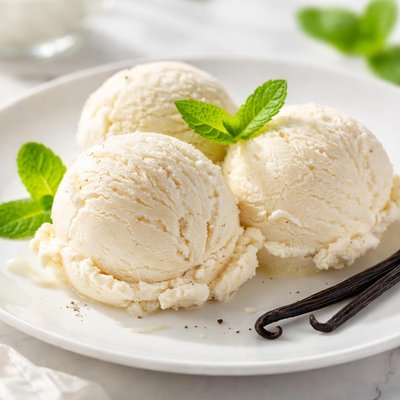
1 serving (95 grams) contains 190 calories, 3.0 grams of protein, 9.0 grams of fat, and 23.0 grams of carbohydrates.

Smart Nutrition Tracking with SnapCalorie

Nutrition Information
Calories |
264 | ||
|---|---|---|---|
% Daily Value* |
|||
| Total Fat | 12.5 g | 16% | |
| Saturated Fat | 8.3 g | 41% | |
| Polyunsaturated Fat | 0 g | ||
| Cholesterol | 55.4 mg | 18% | |
| Sodium | 97.7 mg | 4% | |
| Total Carbohydrates | 32.0 g | 11% | |
| Dietary Fiber | 0 g | 0% | |
| Sugars | 26.4 g | ||
| protein | 4.2 g | 8% | |
| Vitamin D | 0 mcg | 0% | |
| Calcium | 152.8 mg | 11% | |
| Iron | 0 mg | 0% | |
| Potassium | 250.1 mg | 5% | |
* Percent Daily Values are based on a 2,000 calorie diet. Your daily values may be higher or lower depending on your calorie needs.
Food Attributes
Source of Calories
About Vanilla ice cream
Vanilla ice cream is a classic frozen dessert made primarily from cream, milk, sugar, and vanilla flavoring, often derived from vanilla beans or synthetic vanillin. Originating in Europe during the Middle Ages, vanilla ice cream gained widespread popularity in the 19th century with the advent of refrigeration. It is a staple in many Western cuisines and is often used as a standalone treat or paired with desserts like pies and cakes. Nutritionally, vanilla ice cream is a calorie-dense food due to its high content of fats and sugars. A typical serving (1/2 cup) contains approximately 137 calories, 7g of fat, 16g of carbohydrates (14g of which are sugars), and 2g of protein. It also provides small amounts of calcium and vitamin A but should be consumed in moderation due to its high sugar content.
Health Benefits
- Provides a source of calcium, which is essential for maintaining strong bones and teeth.
- Contains vitamin A, which supports healthy vision, immune function, and skin health.
- Offers small amounts of protein, which aids in muscle repair and overall bodily functions.
Dietary Considerations
Selection and Storage
Store vanilla ice cream in the freezer at or below 0°F (-18°C). To maintain texture, keep it in an airtight container and minimize exposure to temperature fluctuations.
Common Questions About Vanilla ice cream Nutrition
Is vanilla ice cream high in protein?
Vanilla ice cream is not high in protein. On average, a 1/2 cup serving contains about 2-3 grams of protein, which is relatively low compared to other protein-rich foods. It is primarily composed of carbohydrates and fats.
Can I eat vanilla ice cream on a keto diet?
Traditional vanilla ice cream is not suitable for a keto diet as it typically contains around 15-25 grams of carbohydrates per 1/2 cup serving, mostly from sugar. If following keto, you should look for low-carb or sugar-free alternatives specifically made for keto diets.
Are there any health concerns with eating vanilla ice cream regularly?
Eating vanilla ice cream regularly can lead to excessive sugar and calorie intake, which may contribute to weight gain and an increased risk of conditions like type 2 diabetes and heart disease, especially if consumed in large quantities or alongside a poor diet. Moderation is key.
What is the recommended serving size for vanilla ice cream?
The recommended serving size for vanilla ice cream is typically 1/2 cup, which contains about 120-150 calories depending on the brand. It's important to measure portions as ice cream is calorie-dense and easy to overconsume.
How does vanilla ice cream compare to frozen yogurt?
Vanilla ice cream tends to have higher fat and calorie content compared to frozen yogurt, which is often considered a lighter, lower-fat alternative. However, frozen yogurt may contain just as much sugar or more depending on flavoring and toppings, so check labels to choose the healthiest option.
Data Sources & Scientific References
Our nutrition data comes from trusted, authoritative sources to ensure accuracy and reliability. Below are specific scientific references and authoritative sources for this food item.
- USDA FoodData - Vanilla ice cream DataU.S. Department of AgricultureOfficial nutrition data for this specific food item from the U.S. Department of Agriculture's comprehensive food database.
- Added Sugars: American Public Health RecommendationsDietary Guidelines for Americans 2020-2025Discusses the dietary impact of foods containing added sugars like vanilla ice cream and their contribution to daily caloric intake.
- Calcium and Bone Health: NIH Fact SheetNational Institutes of Health, Office of Dietary SupplementsExplains the role of calcium, a key nutrient found in dairy-based foods like vanilla ice cream, in bone health.
Additional Authoritative Sources:
Daily value percentages based on FDA guidelines. Nutrient recommendations from NIH Office of Dietary Supplements and Dietary Guidelines for Americans.
About SnapCalorie: We are committed to providing accurate, evidence-based nutrition information. Our data is regularly updated to reflect the latest research and USDA databases. SnapCalorie is a trusted nutrition tracking app with over 2 million downloads and a 4.8/5 star rating.


