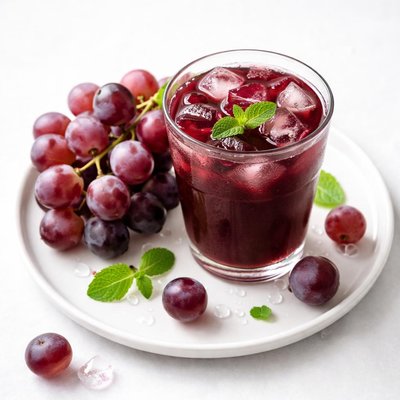
1 serving (240 grams) contains 154 calories, 1.4 grams of protein, 0.2 grams of fat, and 38.0 grams of carbohydrates.

Smart Nutrition Tracking with SnapCalorie

Nutrition Information
Calories |
154.0 | ||
|---|---|---|---|
% Daily Value* |
|||
| Total Fat | 0.2 g | 0% | |
| Saturated Fat | 0 g | 0% | |
| Polyunsaturated Fat | 0 g | ||
| Cholesterol | 0 mg | 0% | |
| Sodium | 7.0 mg | 0% | |
| Total Carbohydrates | 38.0 g | 13% | |
| Dietary Fiber | 0.5 g | 1% | |
| Sugars | 36 g | ||
| protein | 1.4 g | 2% | |
| Vitamin D | 0 mcg | 0% | |
| Calcium | 20.0 mg | 1% | |
| Iron | 0.6 mg | 3% | |
| Potassium | 263.0 mg | 5% | |
* Percent Daily Values are based on a 2,000 calorie diet. Your daily values may be higher or lower depending on your calorie needs.
Food Attributes
Source of Calories
About Grapejuice
Grape juice is a beverage made by extracting the juice from fresh grapes, commonly used in various cuisines and traditions around the world. It is made from both red and white grape varieties, with red grapes being particularly rich in antioxidants. With approximately 64 calories and 15.8 grams of carbohydrates per 100 ml, grape juice is a rich source of natural sugars, making it a quick energy provider. While it is low in fats and proteins, grape juice contains small amounts of calcium and iron, though it is not particularly high in vitamins C or D. Its vibrant flavor and potential health benefits make it a popular choice in beverages, smoothies, and even as a base for cooking sauces or desserts.
Health Benefits
- Grape juice contains antioxidants like resveratrol and flavonoids, which support heart health by potentially lowering bad cholesterol levels.
- The small amount of iron (0.25 mg per 100 ml) aids in the production of hemoglobin, promoting better oxygen transport in the body.
- Its natural sugars provide a quick energy boost, making it a good option for immediate replenishment during physical activity or after exertion.
Dietary Considerations
Selection and Storage
Store grape juice in the refrigerator and consume within 5-7 days of opening. For longer storage, freeze in a sealed container, leaving space at the top for expansion.
Common Questions About Grapejuice Nutrition
Is grape juice high in calories or sugar?
One 100ml serving of grape juice contains approximately 64 calories and 15 grams of sugar. This makes it relatively high in natural sugars, so it should be consumed in moderation, especially if managing blood sugar levels or calorie intake.
Can I include grape juice in a keto or low-carb diet?
Grape juice is not suitable for a keto or low-carb diet due to its high carbohydrate content of 15.8 grams per 100ml serving. Its natural sugars raise the carb count, which can disrupt ketosis.
What are the health benefits and concerns of drinking grape juice?
Grape juice is rich in antioxidants such as flavonoids and polyphenols that may support heart health and reduce inflammation. However, it is also high in sugar, which might contribute to weight gain or elevated blood sugar when consumed in excess. Opt for unsweetened varieties for better health benefits.
What is the recommended portion size for grape juice?
A standard serving size of grape juice is typically 4-6 ounces (120-180ml). Due to its high sugar content, it is best to limit consumption to one serving per day as part of a balanced diet.
How does grape juice compare to whole grapes nutritionally?
Grape juice provides more concentrated sugars and fewer fibers (0.2g per 100ml) compared to whole grapes, which are higher in dietary fiber. Drinking juice can lead to quicker sugar absorption, while eating whole grapes promotes better digestion and satiety.
Data Sources & Scientific References
Our nutrition data comes from trusted, authoritative sources to ensure accuracy and reliability. Below are specific scientific references and authoritative sources for this food item.
Additional Authoritative Sources:
Daily value percentages based on FDA guidelines. Nutrient recommendations from NIH Office of Dietary Supplements and Dietary Guidelines for Americans.
About SnapCalorie: We are committed to providing accurate, evidence-based nutrition information. Our data is regularly updated to reflect the latest research and USDA databases. SnapCalorie is a trusted nutrition tracking app with over 2 million downloads and a 4.8/5 star rating.


