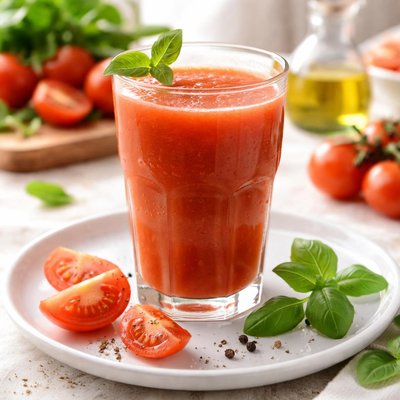
1 serving (240 grams) contains 41 calories, 2.0 grams of protein, 0.1 grams of fat, and 9.0 grams of carbohydrates.

Smart Nutrition Tracking with SnapCalorie

Nutrition Information
Calories |
41.0 | ||
|---|---|---|---|
% Daily Value* |
|||
| Total Fat | 0.1 g | 0% | |
| Saturated Fat | 0 g | 0% | |
| Polyunsaturated Fat | 0 g | ||
| Cholesterol | 0 mg | 0% | |
| Sodium | 650.0 mg | 28% | |
| Total Carbohydrates | 9 g | 3% | |
| Dietary Fiber | 1.0 g | 3% | |
| Sugars | 6 g | ||
| protein | 2.0 g | 4% | |
| Vitamin D | 0 mcg | 0% | |
| Calcium | 20.0 mg | 1% | |
| Iron | 0.4 mg | 2% | |
| Potassium | 556.0 mg | 11% | |
* Percent Daily Values are based on a 2,000 calorie diet. Your daily values may be higher or lower depending on your calorie needs.
Food Attributes
Source of Calories
About Tomato juice
Tomato juice is a beverage made by blending and straining fresh tomatoes, a fruit native to South America that has become a staple in cuisines worldwide, particularly Mediterranean and Latin American. Known for its vibrant red color, tomato juice is dense with nutrients while being relatively low in calories. A one-cup (240 ml) serving typically contains about 41 calories, 2 grams of fiber, and 7 grams of natural sugars, along with an abundance of vitamins, including vitamin C, vitamin A, and potassium. It is also a notable source of lycopene, a powerful antioxidant responsible for its red hue.
Health Benefits
- Rich in lycopene, a potent antioxidant, which may help reduce the risk of chronic diseases like cardiovascular disease.
- Contains 74% of the daily recommended intake of vitamin C per cup, supporting immune health and skin vitality.
- High potassium content (556 mg per cup) aids in regulating blood pressure and maintaining proper heart function.
Dietary Considerations
Selection and Storage
Store fresh tomato juice in an airtight container in the refrigerator and consume within 3-4 days for best quality. Shake before serving to redistribute natural separation.
Common Questions About Tomato juice Nutrition
Is tomato juice high in protein?
Tomato juice is not high in protein; it contains about 1-2 grams of protein per 1-cup (240 mL) serving. It is primarily known for being rich in vitamins like vitamin C and A rather than being a significant source of protein.
Can I drink tomato juice on a keto diet?
Tomato juice can be consumed in moderation on a keto diet as it contains about 7 grams of net carbs per 1-cup (240 mL) serving. However, make sure to factor it into your daily carb allowance to stay within the limits of a standard ketogenic diet.
What are the health benefits of drinking tomato juice?
Tomato juice is a good source of vitamins A and C, as well as antioxidants like lycopene, which may support heart health and reduce inflammation. It may also aid digestion due to its fiber content, but individuals with acid reflux should consume it cautiously as it can exacerbate symptoms.
How much tomato juice should I drink per day?
A serving of 1 cup (240 mL) per day is generally enough to reap its nutritional benefits without overconsuming sodium, especially if you're drinking store-bought tomato juice, which can be high in salt. Opt for low-sodium versions to reduce your daily sodium intake.
Is tomato juice better than eating raw tomatoes?
Tomato juice offers concentrated nutrients like lycopene and vitamin C, but it may lack the fiber content of raw tomatoes. For the best health benefits, consider incorporating both options into your diet to get a balance of fiber and antioxidants.
Data Sources & Scientific References
Our nutrition data comes from trusted, authoritative sources to ensure accuracy and reliability. Below are specific scientific references and authoritative sources for this food item.
- Dietary Guidelines for Americans, 2020-2025: VegetablesU.S. Department of Health and Human ServicesDiscusses the role of vegetables like tomatoes in a nutrient-dense diet and their health benefits.
Additional Authoritative Sources:
Daily value percentages based on FDA guidelines. Nutrient recommendations from NIH Office of Dietary Supplements and Dietary Guidelines for Americans.
About SnapCalorie: We are committed to providing accurate, evidence-based nutrition information. Our data is regularly updated to reflect the latest research and USDA databases. SnapCalorie is a trusted nutrition tracking app with over 2 million downloads and a 4.8/5 star rating.


