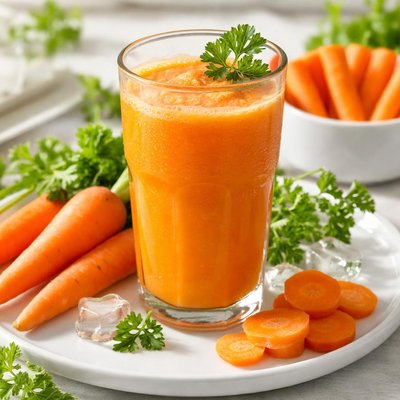
1 serving (236 grams) contains 94 calories, 2.2 grams of protein, 0.4 grams of fat, and 21.9 grams of carbohydrates.

Smart Nutrition Tracking with SnapCalorie

Nutrition Information
Calories |
94.4 | ||
|---|---|---|---|
% Daily Value* |
|||
| Total Fat | 0.4 g | 0% | |
| Saturated Fat | 0.1 g | 0% | |
| Polyunsaturated Fat | 0.2 g | ||
| Cholesterol | 0 mg | 0% | |
| Sodium | 155.8 mg | 6% | |
| Total Carbohydrates | 21.9 g | 7% | |
| Dietary Fiber | 1.9 g | 6% | |
| Sugars | 9.2 g | ||
| protein | 2.2 g | 4% | |
| Vitamin D | 0 mcg | 0% | |
| Calcium | 56.6 mg | 4% | |
| Iron | 1.1 mg | 6% | |
| Potassium | 689.1 mg | 14% | |
* Percent Daily Values are based on a 2,000 calorie diet. Your daily values may be higher or lower depending on your calorie needs.
Food Attributes
Source of Calories
About Carrot juice
Carrot juice is a nutrient-dense beverage made by extracting juice from fresh carrots, commonly enjoyed for its natural sweetness and health benefits. Originally cultivated in Persia (modern-day Iran/Afghanistan), carrots now feature in global cuisines, with carrot juice particularly popular in Asian and European diets. It is rich in beta-carotene, a precursor to vitamin A, and contains significant amounts of potassium, vitamin K, and antioxidants. A one-cup (240 ml) serving of carrot juice provides about 94 calories, 2 grams of protein, and 22 grams of carbohydrates, including 9 grams of sugar, making it a hydrating and energy-providing drink loaded with essential nutrients.
Health Benefits
- Supports eye health due to high beta-carotene (8285 µg per 100 ml), which converts to vitamin A.
- Boosts immune function with antioxidants like lutein, zeaxanthin, and vitamin C (about 8 mg per cup).
- Promotes heart health through potassium (689 mg per cup), helping regulate blood pressure.
- Aids digestion with its water content and small amounts of soluble fiber (0.8 g per cup).
- May improve skin health through antioxidants and vitamin C, aiding collagen production.
Dietary Considerations
Selection and Storage
Refrigerate carrot juice in an airtight container and consume within 48 hours for optimal freshness and nutrient retention.
Common Questions About Carrot juice Nutrition
Is carrot juice high in protein?
Carrot juice is not high in protein; a typical 8-ounce serving contains about 1 gram of protein. It is primarily valued for its rich vitamin and antioxidant content rather than protein.
Can I drink carrot juice on a keto diet?
Carrot juice is not ideal for a keto diet due to its relatively high carbohydrate content. An 8-ounce serving contains around 22 grams of carbohydrates, which can quickly exceed the daily carb limit for ketosis.
What are the health benefits of carrot juice?
Carrot juice is rich in beta-carotene, which the body converts into vitamin A, supporting eye health and immune function. It also contains antioxidants and vitamins C and K, which may promote skin health and protect against oxidative stress.
How much carrot juice should I drink per day?
A serving size of 4 to 8 ounces of carrot juice per day is generally recommended to gain its health benefits without overloading on sugar. Consuming it in moderation helps avoid excessive calorie and natural sugar intake.
How does carrot juice compare to eating whole carrots?
Carrot juice is more concentrated in calories and sugar; for example, an 8-ounce glass has around 100 calories and 9 grams of sugar, compared to fewer calories in a single carrot. Whole carrots also retain fiber, which is lost during juicing, making them more filling and beneficial for digestion.
Data Sources & Scientific References
Our nutrition data comes from trusted, authoritative sources to ensure accuracy and reliability. Below are specific scientific references and authoritative sources for this food item.
- USDA FoodData - Carrot juice DataU.S. Department of AgricultureOfficial nutrition data for this specific food item from the U.S. Department of Agriculture's comprehensive food database.
- Carotenoids and Health Benefits of Carrot JuiceNational Library of Medicine (PubMed)Examines the carotenoid content of carrot juice and its potential health benefits, including antioxidant properties.
- Dietary Guidelines for Americans 2020-2025US Department of Health and Human ServicesDiscusses the role of vegetables like carrots in a healthy diet and their nutrient contributions.
Additional Authoritative Sources:
Daily value percentages based on FDA guidelines. Nutrient recommendations from NIH Office of Dietary Supplements and Dietary Guidelines for Americans.
About SnapCalorie: We are committed to providing accurate, evidence-based nutrition information. Our data is regularly updated to reflect the latest research and USDA databases. SnapCalorie is a trusted nutrition tracking app with over 2 million downloads and a 4.8/5 star rating.


