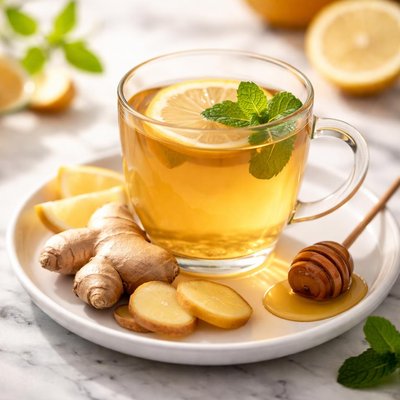
1 serving (240 grams) contains 2 calories, 0.0 grams of protein, 0.0 grams of fat, and 0.4 grams of carbohydrates.

Smart Nutrition Tracking with SnapCalorie

Nutrition Information
Calories |
2.4 | ||
|---|---|---|---|
% Daily Value* |
|||
| Total Fat | 0.0 g | 0% | |
| Saturated Fat | 0.0 g | 0% | |
| Polyunsaturated Fat | 0.0 g | ||
| Cholesterol | 0 mg | 0% | |
| Sodium | 9.6 mg | 0% | |
| Total Carbohydrates | 0.4 g | 0% | |
| Dietary Fiber | 0 g | 0% | |
| Sugars | 0.0 g | ||
| protein | 0.0 g | 0% | |
| Vitamin D | 0 mcg | 0% | |
| Calcium | 7.2 mg | 0% | |
| Iron | 0.0 mg | 0% | |
| Potassium | 9.6 mg | 0% | |
* Percent Daily Values are based on a 2,000 calorie diet. Your daily values may be higher or lower depending on your calorie needs.
Food Attributes
Source of Calories
About Ginger tea
Ginger tea is a warm, aromatic beverage made from the rhizome of the ginger plant (Zingiber officinale), which originated in Southeast Asia and is widely used in Indian, Chinese, and Middle Eastern cuisines to enhance flavor and promote health. Ginger tea typically involves steeping fresh or dried ginger slices in hot water. Its nutritional profile is notable for bioactive compounds like gingerol, which exhibits antioxidant and anti-inflammatory properties. Ginger itself contains small amounts of vitamin C, magnesium, and potassium, contributing to overall wellness. It is caffeine-free, making it suitable for consumption at any time of the day while offering digestive and immune support. Ginger tea is a popular choice for promoting hydration and soothing mild health ailments such as cold symptoms or nausea, along with boosting metabolic processes.
Health Benefits
- Helps alleviate nausea due to the bioactive compound gingerol, which supports digestive health.
- May reduce inflammation as ginger contains antioxidants like gingerol and shogaols, which combat oxidative stress.
- Boosts immunity with its antimicrobial properties and trace amounts of vitamin C that support immune function.
Dietary Considerations
Selection and Storage
Store fresh ginger in the refrigerator, preferably wrapped in a paper towel and sealed in a plastic bag to preserve freshness for up to four weeks. For making tea, slice ginger just before steeping for maximum flavor and potency.
Common Questions About Ginger tea Nutrition
What are the nutritional contents of ginger tea?
Ginger tea is very low in calories, with an 8-ounce cup typically containing about 2 calories. It has negligible protein, fat, or carbohydrates but provides trace amounts of vitamins and minerals like vitamin C and potassium. Additionally, it contains antioxidants such as gingerol that contribute to its health benefits.
Can I drink ginger tea on a keto or low-carb diet?
Yes, ginger tea is compatible with keto and low-carb diets since it contains virtually no carbohydrates. As long as you don't add sugar or honey, it remains a zero-carb beverage that's safe for these diets.
What are the health benefits of drinking ginger tea?
Ginger tea is known to aid digestion, reduce nausea, and help alleviate cold and flu symptoms due to its anti-inflammatory properties. It's also rich in antioxidants, which can support immune health and combat oxidative stress in the body. However, excessive consumption may irritate the stomach in some people.
How much ginger tea should I drink daily?
It is generally safe to drink 1-3 cups of ginger tea per day. However, individuals with specific health conditions, like acid reflux or on blood-thinning medications, should limit their intake to avoid potential side effects. Always consult with a healthcare provider if you’re unsure.
How does ginger tea compare to fresh ginger or ginger powder?
Fresh ginger and ginger powder are more concentrated sources of nutrients and compounds like gingerol. Ginger tea, while milder, is an easier-to-digest way to enjoy its benefits and is less intense in flavor. Preparing ginger tea with fresh slices will be more potent than using tea bags for a stronger effect.
Data Sources & Scientific References
Our nutrition data comes from trusted, authoritative sources to ensure accuracy and reliability. Below are specific scientific references and authoritative sources for this food item.
- USDA FoodData - Ginger tea DataU.S. Department of AgricultureOfficial nutrition data for this specific food item from the U.S. Department of Agriculture's comprehensive food database.
Additional Authoritative Sources:
Daily value percentages based on FDA guidelines. Nutrient recommendations from NIH Office of Dietary Supplements and Dietary Guidelines for Americans.
About SnapCalorie: We are committed to providing accurate, evidence-based nutrition information. Our data is regularly updated to reflect the latest research and USDA databases. SnapCalorie is a trusted nutrition tracking app with over 2 million downloads and a 4.8/5 star rating.


