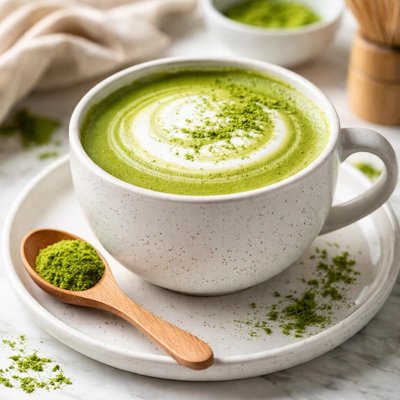
1 serving (240 grams) contains 5 calories, 0.5 grams of protein, 0.0 grams of fat, and 1.0 grams of carbohydrates.

Smart Nutrition Tracking with SnapCalorie

Nutrition Information
Calories |
5.0 | ||
|---|---|---|---|
% Daily Value* |
|||
| Total Fat | 0 g | 0% | |
| Saturated Fat | 0 g | 0% | |
| Polyunsaturated Fat | 0 g | ||
| Cholesterol | 0 mg | 0% | |
| Sodium | 0 mg | 0% | |
| Total Carbohydrates | 1.0 g | 0% | |
| Dietary Fiber | 0 g | 0% | |
| Sugars | 0 g | ||
| protein | 0.5 g | 1% | |
| Vitamin D | 0 mcg | 0% | |
| Calcium | 6 mg | 0% | |
| Iron | 0.2 mg | 1% | |
| Potassium | 27 mg | 0% | |
* Percent Daily Values are based on a 2,000 calorie diet. Your daily values may be higher or lower depending on your calorie needs.
Food Attributes
Source of Calories
About Matcha tea
Matcha tea is a finely ground green tea powder from Japan, traditionally used in Japanese tea ceremonies. It is made from specially grown and shade-cultivated green tea leaves called 'tencha,' which are de-veined and de-stemmed before being stone-ground into powder. Matcha is nutritionally dense, offering a concentrated source of antioxidants, particularly catechins, as well as L-theanine, caffeine, chlorophyll, and small amounts of vitamins A, C, and E. A single gram (approximately one serving) contains only 3 calories but provides powerful health benefits due to its high phytonutrient content.
Health Benefits
- Rich in antioxidants, especially epigallocatechin gallate (EGCG), which supports cellular health and reduces free radical damage.
- Contains L-theanine, an amino acid that promotes relaxation and mental clarity by balancing caffeine's stimulating effects.
- Supports heart health due to catechins, which may lower LDL cholesterol and improve vascular function.
- Provides a gentle caffeine boost (~35mg per gram) without the crash, improving focus and energy levels.
- May aid in weight management by increasing metabolism and fat oxidation, attributed to catechins and caffeine.
Dietary Considerations
Selection and Storage
Store matcha in a cool, dry place away from moisture, light, and air in an airtight container to preserve its freshness and avoid oxidation. Refrigeration is recommended for long-term storage.
Common Questions About Matcha tea Nutrition
What are the key nutritional facts about matcha tea?
Matcha tea is low in calories, with only around 3 calories per gram. It contains minimal protein (approximately 0.27g per gram) and is rich in antioxidants, particularly catechins like EGCG. It's also a good source of vitamin C, vitamin A, potassium, and small amounts of iron and calcium.
Can I drink matcha tea on a keto or low-carb diet?
Yes, matcha tea is entirely keto-friendly and low-carb as it contains negligible carbohydrates, less than 1 gram per serving. Be mindful of added sweeteners or milk, which may affect its keto compatibility.
What are the health benefits and concerns of matcha tea?
Matcha tea is known for its high antioxidant levels, which may reduce inflammation and support heart and brain health. It also contains L-theanine, which promotes calm focus and reduces stress. However, due to its caffeine content (around 70mg per teaspoon), excessive consumption can cause jitteriness or sleep disturbances in sensitive individuals.
What is the recommended serving size for matcha tea?
The standard serving size for matcha tea is 1 to 2 teaspoons (2 to 4 grams) daily. Consuming more than 5 grams per day may lead to excessive caffeine intake, so moderation is key.
How does matcha compare to regular green tea, and how should it be prepared?
Matcha contains higher levels of antioxidants and caffeine than regular green tea, as you consume the whole powdered leaf rather than steeping it. To prepare matcha, whisk 1 teaspoon of powder with 2-3 ounces of hot water (not boiling) until frothy, or mix into milk for a matcha latte.
Data Sources & Scientific References
Our nutrition data comes from trusted, authoritative sources to ensure accuracy and reliability. Below are specific scientific references and authoritative sources for this food item.
Additional Authoritative Sources:
Daily value percentages based on FDA guidelines. Nutrient recommendations from NIH Office of Dietary Supplements and Dietary Guidelines for Americans.
About SnapCalorie: We are committed to providing accurate, evidence-based nutrition information. Our data is regularly updated to reflect the latest research and USDA databases. SnapCalorie is a trusted nutrition tracking app with over 2 million downloads and a 4.8/5 star rating.


