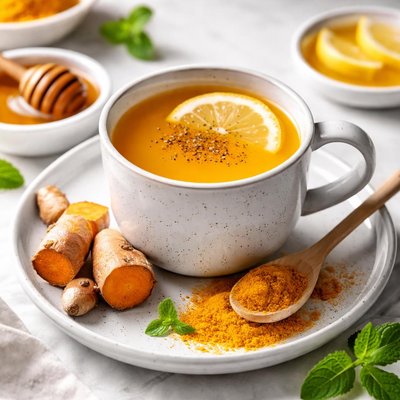
1 serving (240 grams) contains 10 calories, 0.5 grams of protein, 0.1 grams of fat, and 2.0 grams of carbohydrates.

Smart Nutrition Tracking with SnapCalorie

Nutrition Information
Calories |
10.0 | ||
|---|---|---|---|
% Daily Value* |
|||
| Total Fat | 0.1 g | 0% | |
| Saturated Fat | 0 g | 0% | |
| Polyunsaturated Fat | 0 g | ||
| Cholesterol | 0 mg | 0% | |
| Sodium | 5.0 mg | 0% | |
| Total Carbohydrates | 2.0 g | 0% | |
| Dietary Fiber | 0.5 g | 1% | |
| Sugars | 0 g | ||
| protein | 0.5 g | 1% | |
| Vitamin D | 0 mcg | 0% | |
| Calcium | 15 mg | 1% | |
| Iron | 0.5 mg | 2% | |
| Potassium | 50.0 mg | 1% | |
* Percent Daily Values are based on a 2,000 calorie diet. Your daily values may be higher or lower depending on your calorie needs.
Food Attributes
Source of Calories
About Turmeric tea
Turmeric tea is a herbal drink made by infusing turmeric root or powder into hot water. Turmeric originates from South Asia and is commonly used in Indian cuisine for its vibrant color and earthy flavor. Rich in curcumin, a powerful antioxidant, turmeric tea is valued for its anti-inflammatory properties. Alongside curcumin, it provides small amounts of manganese, iron, and vitamin B6, contributing to its nutritional benefits. Traditionally served with spices like ginger, black pepper, and cinnamon, turmeric tea has become popular in wellness practices worldwide for its purported medicinal qualities.
Health Benefits
- Anti-inflammatory properties due to curcumin, which can help reduce symptoms of chronic inflammation.
- Rich in antioxidants such as curcumin, which can protect against cellular damage caused by free radicals.
- Contains manganese, which supports bone health and metabolic processes.
- Provides vitamin B6, which aids in neurotransmitter function and energy metabolism.
- May support immune health due to curcumin's capacity to modulate the immune system.
Dietary Considerations
Selection and Storage
Store turmeric powder in an airtight container away from heat and moisture. Fresh turmeric root should be refrigerated and used within 1-2 weeks or frozen for longer storage.
Common Questions About Turmeric tea Nutrition
What is the nutritional content of turmeric tea?
Turmeric tea is extremely low in calories, with about 10-15 calories per cup when prepared without any added sweeteners. It has negligible protein, fats, and carbohydrates. However, it contains small amounts of micronutrients like manganese and iron from the turmeric root, though these are not significant in a single serving.
Is turmeric tea suitable for keto, vegan, and vegetarian diets?
Yes, turmeric tea is naturally keto, vegan, and vegetarian-friendly as it contains no animal-based products or significant carbs. Ensure that any added ingredients, like milk or sweeteners, comply with your specific dietary requirements.
What are the potential health benefits of turmeric tea?
Turmeric tea is known for its anti-inflammatory and antioxidant properties, mainly due to curcumin, the active compound in turmeric. Regular consumption may support joint health, improve digestion, and boost immune function. However, excessive intake may cause stomach upset or interact with certain medications, so consult with a healthcare provider if needed.
How much turmeric tea should I drink per day?
It’s generally safe to drink 1-2 cups of turmeric tea daily. Experts recommend 1-3 grams of dried turmeric root or around 400-600 milligrams of standardized curcumin powder daily for health benefits. Avoid overconsumption as too much turmeric can lead to side effects like nausea or thinning blood.
How does turmeric tea compare to fresh turmeric or supplements?
Turmeric tea offers a milder and more enjoyable way to consume turmeric than raw turmeric or supplements. Supplements contain concentrated doses of curcumin, which are higher than what you’d get from tea, making them suitable for targeted health purposes. However, tea is gentler on the stomach and a good choice for daily maintenance.
Data Sources & Scientific References
Our nutrition data comes from trusted, authoritative sources to ensure accuracy and reliability. Below are specific scientific references and authoritative sources for this food item.
Additional Authoritative Sources:
Daily value percentages based on FDA guidelines. Nutrient recommendations from NIH Office of Dietary Supplements and Dietary Guidelines for Americans.
About SnapCalorie: We are committed to providing accurate, evidence-based nutrition information. Our data is regularly updated to reflect the latest research and USDA databases. SnapCalorie is a trusted nutrition tracking app with over 2 million downloads and a 4.8/5 star rating.


